Circus Troupe in Burkina Faso Uses Art to Shield Children from Jihadist Nightmares
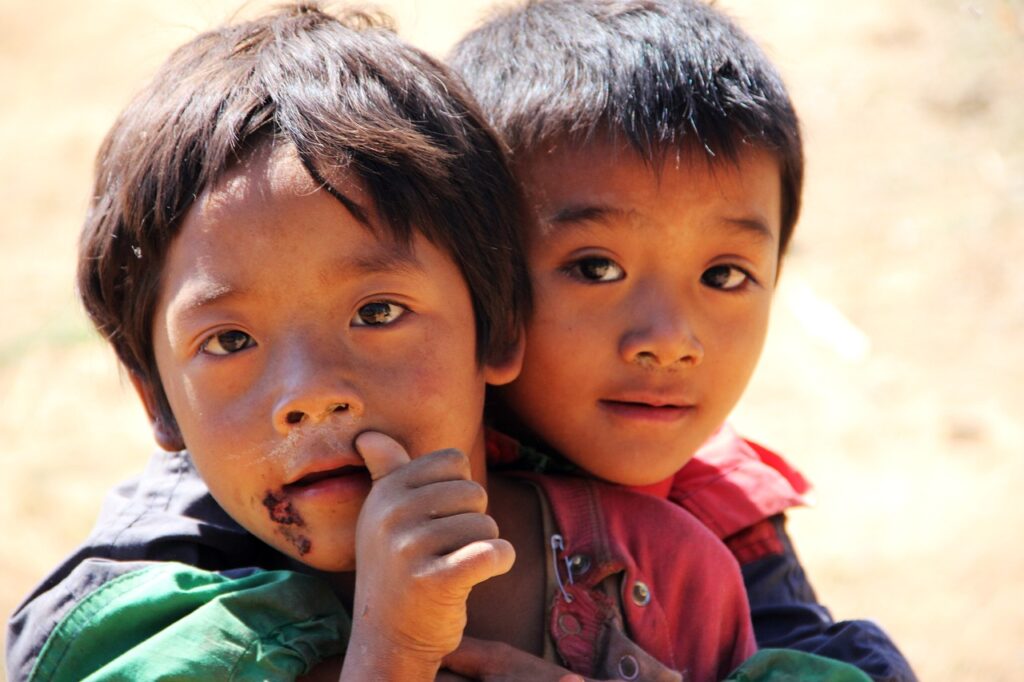
Ouagadougou — In a dusty neighbourhood on the outskirts of Ouagadougou, something remarkable is happening. Every afternoon, a group of children gathers in a courtyard not far from where jihadist militants have carried out attacks. They are not in school. They are not in a mosque. They are in a circus.
A local troup called Le Corps du Shot has been running a program that uses acrobatics, juggling, and theatre to help children aged 6 to 16 process the trauma of living under constant threat. Since 2022, the group has worked with over 300 children, many of whom have witnessed executions, lost parents, or been forced to flee their homes at midnight.
When the Circus Tent Is Safer Than the Street
Burkina Faso has been locked in a grinding conflict with jihadist groups linked to Al-Qaeda and the Islamic State since 2015. More than two million people have been displaced. Schools have closed. Health clinics have been shuttered. In some regions, entire villages have been abandoned. For children who should be learning to read, the curriculum has become survival.
Le Corps du Shot was founded by Ablam Gnada, a 34-year-old former street performer who returned to Burkina Faso after training in Senegal and France. He started performing in markets and community centres, drawing crowds with juggling acts and physical comedy. But it was after a performance in Soubré, near the Ivorian border, that his work took on a new dimension.
A mother approached him after the show and asked if he could take her children. They had not spoken in months. Their father had been killed in a militia attack. Gnada did not have an answer then. But he went home and thought about it, and the next week he returned with a proposal: what if circus became therapy?
How It Works
The program runs five days a week. Children arrive after the school day — for those still in school — or in the morning for those who are not. Sessions begin with breathing exercises, the kind a yoga instructor might use, followed by group warm-up routines that build trust. The physicality is the point, but it is also the gateway.
“When you are learning to balance on a tightrope, you learn to fall without hurting yourself,” Gnada explains. “That lesson saves lives here. Children who have seen violence need to know: you can fall and get up again. The body remembers what the mind tries to forget.”
The sessions are led by trained facilitators, not therapists. Gnada is clear about the distinction. Le Corps du Shot is not offering clinical care. But it is offering something clinicians in rural Burkina Faso cannot — consistency, community, and structured activity that gives the day a shape.
The Children the War Left Behind
The children in the program are not statistics. They are names. There is Mariam, 11, who stopped speaking after her village was razed near Gorom. There is Issouf, 9, who was separated from his mother during an evacuation and has not found her. There is Fatimata, 13, who saw her teacher beheaded and has been unable to return to any classroom.
Le Corps du Shot does not ask them to talk about what happened. It creates conditions where talking becomes possible — not immediately, but over weeks and months of presence, of shared laughter, of the small triumph of learning to juggle three balls.
A Model That Should Not Have to Exist
The program runs on grants and the personal savings of its founders. It has no permanent venue. The team moves between neighbourhoods, setting up tents where communities request them. In 2025, it won a regional cultural innovation award that came with a cash prize. Gnada immediately put it toward hiring two more facilitators.
UNICEF Burkina Faso has begun consultations with Le Corps du Shot about replicating the model in other regions, particularly in the Sahel and Eastern Burkina, where conflict is most intense. The conversations are preliminary, but the interest is genuine.
What Ablam Gnada built in Ouagadougou is, in the end, an act of defiance. Not with weapons. Not with politics. With a juggling ball and the quiet courage of a child who decides, one morning, to try again.
More From Conflict & Security
The anxious money wait: Why African soccer fans dread payment disputes before major tournaments like the Fifa World Cup
How the US-Israel-Iran conflict is reshaping South Africa’s coal exports