

19 Kenyans Dead, 32 Missing After Joining Russia-Ukraine War: East Africa’s Hidden Foreign Fighter Crisis
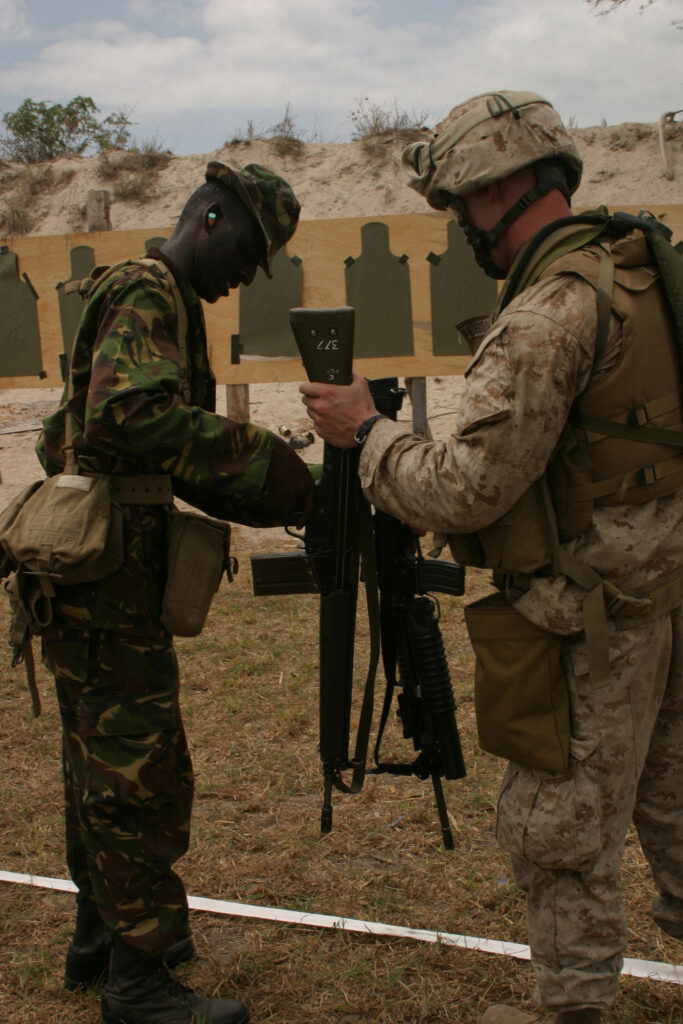
Nairobi — In a devastating revelation that has shaken Kenya and the wider East African region, at least 19 Kenyan nationals have been confirmed dead and another 32 are missing after joining the fighting in the Russia-Ukraine war. The news, broken by African News on May 7, 2026, has prompted urgent calls for government intervention and raised alarming questions about the recruitment networks targeting young Africans.
The figures are staggering. Kenya is not alone. Across the continent, hundreds of young men and women from Nigeria, Ghana, Uganda, and South Africa have made the journey to Eastern Europe, drawn by promises of lucrative contracts, adventure, and, in some cases, ideological conviction. For many, the reality on the ground has been nothing like the recruitment agents promised.
A Growing Continental Crisis
The phenomenon of African foreign fighters in foreign conflicts is not new. During the Bosnian War in the 1990s, a small number of Africans travelled to fight. During the Iraq War, some Africans joined insurgent groups. But the scale of what is now unfolding in Ukraine represents something qualitatively different — a systematic, organized flow of African nationals into one of the world’s most lethal modern conflicts.
Recruiters operate openly on social media, particularly Telegram and TikTok, targeting economically vulnerable young men with promises of monthly salaries that dwarf anything available at home. A mechanic from Nairobi can earn more in a month in Ukraine than in a year in Kenya. That math is irresistible to a 22-year-old with no prospects and a family to feed.
The Human Cost
What the recruiters do not say — what they cannot honestly say — is that modern warfare at the Ukraine front is unlike anything most Africans have experienced. Drone warfare, artillery barrages, thermobaric weapons, and electronic warfare are the norm, not the exception. The casualty rates among foreign fighters have been disproportionately high because many lack the training and conditioning that even basic soldiering requires.
The families back home often do not know where their sons are. Once the contract is signed, communication becomes sporadic. The Kenyan foreign ministry has confirmed it has limited capacity to assist nationals in conflict zones, and Nairobi’s embassy in Kyiv was evacuated early in the war, further complicating consular assistance.
Governments Respond Slowly
Kenya’s government has condemned the recruitment but has yet to announce concrete measures to prevent it. Civil society organizations are calling for public awareness campaigns, stronger border monitoring, and diplomatic engagement with countries believed to be facilitating the recruitment pipelines. So far, the response has been largely rhetorical.
Uganda and Nigeria have faced similar pressures. The Nigerian Senate held a closed-door session in late 2025 on the matter but produced no actionable recommendations. In Kampala, a handful of NGOs run informal awareness programs, but they operate without government support and with minimal funding.
The Recruitment Machine
The pipeline typically works like this: a man in his early twenties sees a social media post offering construction or security work in Eastern Europe. The salary is attractive. The agency is legitimate-looking. Travel documents are arranged. Visas are obtained through seemingly official channels. Once in the country, the job description changes. The men are handed military equipment and sent to the front.
Some return home wounded. Some do not return at all. And the families are left with grief, unanswered questions, and no compensation.
What Needs to Happen
Experts and advocacy groups say three things are essential. First, governments need to launch public information campaigns — particularly in informal settlements and rural areas where recruitment is easiest. Second, social media platforms must be pressured to take down recruitment content, something they have been slow to do. Third, African governments need to negotiate with Russia and Ukraine for the repatriation of nationals who wish to return.
The 19 Kenyans who died deserve more than statements of concern. They deserve action.