Burkina Faso’s diplomatic rupture with France: what comes next?
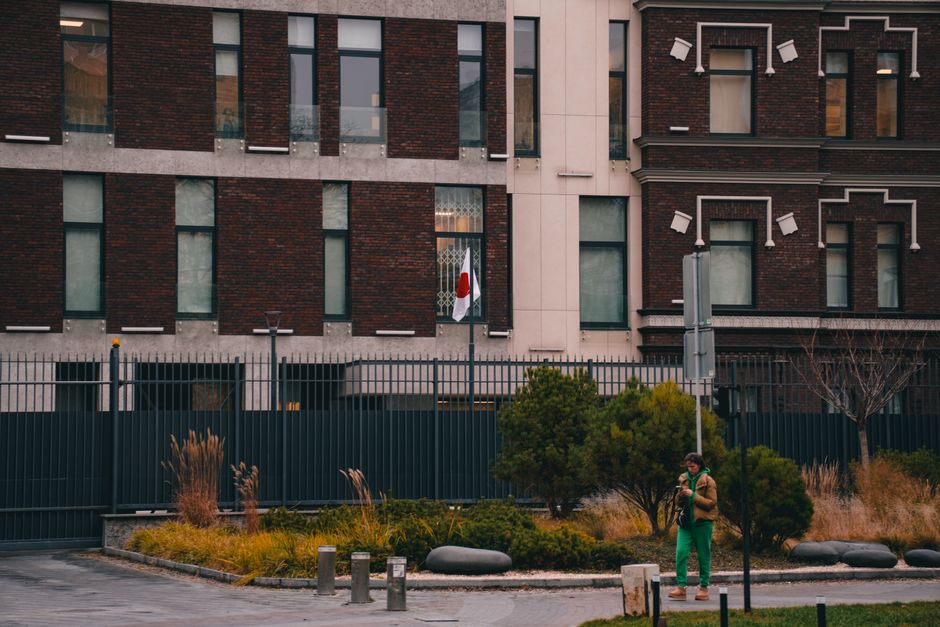
Burkina Faso announced on 26 June that it was cutting its diplomatic ties with France, marking a further deterioration in relations between Ouagadougou and one of its former colonial powers. The decision adds Burkina Faso to a growing list of Sahelian states that have reassessed their longstanding partnerships with Paris, reshaping the geopolitical landscape of West Africa’s interior.
A pattern across the Sahel
The break follows similar moves by Mali and Niger, both of which have also expelled French military personnel and repositioned their foreign alliances in recent years. Analysts note that the trend reflects a broader shift in the region, where governments led by military authorities have sought to assert greater sovereignty over their security and diplomatic choices. France, once the dominant external power across the Sahel, has seen its influence contract significantly as a result.
What the rupture means in practice
According to international relations expert Hamadé Soro, severing diplomatic ties does not necessarily translate into an immediate and total disengagement. Embassies may be closed or run down to skeleton staff, formal state-to-state communication channels are curtailed, and bilateral agreements can be frozen or renegotiated. However, the two countries may continue to interact through consular services, multilateral institutions, and the management of shared interests such as the fate of citizens residing in each other’s territory.
Bilateral ties in a new framework
Even without formal diplomatic representation, contact between Ouagadougou and Paris is likely to continue through intermediaries, regional bodies, and the wider international community. Cooperation on issues ranging from counterterrorism to migration and development aid will require some degree of coordination, even if conducted through less direct channels than before. The long-term trajectory of the relationship, analysts suggest, will depend on the political evolution within Burkina Faso and the broader reorientation of its foreign partnerships.
The rupture underscores how rapidly the strategic map of the Sahel is being redrawn, with longstanding post-colonial ties giving way to new alignments that are still taking shape.
Source: Africanews — read the original report.
More From Politics & Governance
U.S. House Passes Bill Linking Nigerian Foreign Aid to Protection of Christian Communities

Ethiopia Launches National Dialogue Conference in Addis Ababa