Lagos Generates ₦1.69 Trillion in H1 2026, Spending Over 91 Percent of It
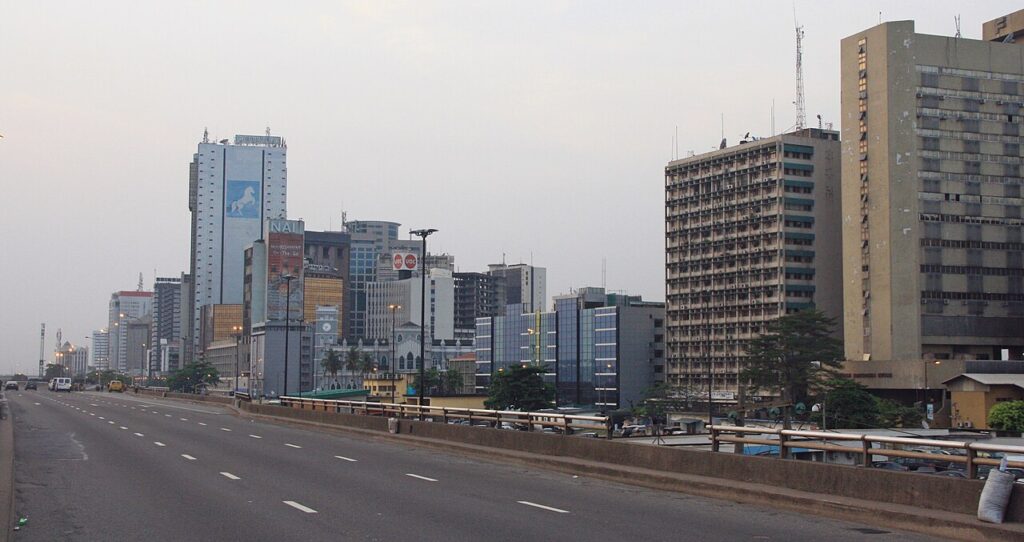
Lagos State, Nigeria’s commercial capital and most populous urban area, generated ₦1.69 trillion in total revenue during the first half of 2026 and spent more than 91 per cent of that amount within the same period, according to figures reported by Premium Times and republished by AllAfrica.
About 69 per cent of the revenue was internally generated, underscoring Lagos’s longstanding position as the country’s leading revenue-earning sub-national government. The remaining share is drawn from federal statutory allocations and other transfers channelled through the Federation Account Allocation Committee.
The half-year financial review pointed to sharp contrasts in capital funding across key sectors, including health, education and the environment, according to AllAfrica’s summary of the Premium Times reporting. The pattern reflects continuing fiscal pressure in Africa’s largest metropolitan economy, a state that regularly posts the strongest revenue numbers in the country while still grappling with infrastructure and service-delivery backlogs.
Lagos has long been regarded as Nigeria’s internally generated revenue powerhouse, contributing a disproportionate share of non-oil tax collections nationwide. State governments across Nigeria depend on a mix of IGR streams — covering pay-as-you-earn tax, withholding tax, land charges, market levies and motor vehicle duties — alongside monthly FAAC disbursements from the federal government. Successive Lagos administrations have argued for greater fiscal autonomy and a larger retention share of value-added tax collected within the state.
The high expenditure ratio, consistent with patterns seen in previous budget cycles, will renew familiar questions about the balance between recurrent and capital outlays in Nigeria’s most economically consequential state, where demand for transport upgrades, hospital capacity and classroom construction continues to outpace available funding.
Sources
This report was written from coverage published by the following news organisations. Follow the links for the original reporting.