Protests Erupt in Tripoli as Anger Mounts Over Persistent Power Cuts
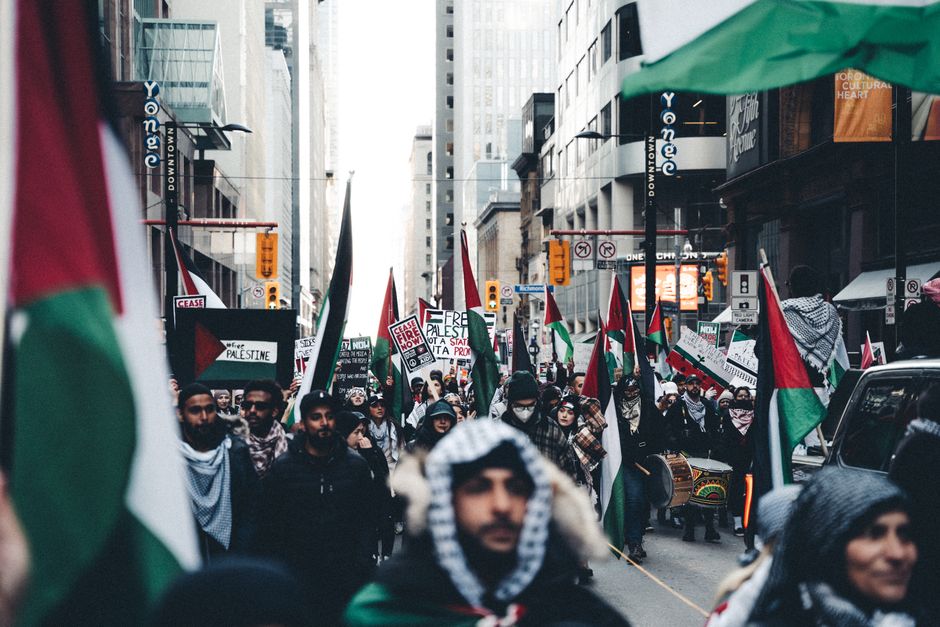
Demonstrators took to the streets of Libya’s capital this week, blocking major roads and forcing the closure of the foreign ministry in a widening display of anger over prolonged electricity outages. The protests, which began as localized complaints, have grown into a broader civil disobedience campaign across Tripoli and its surrounding areas.
From Outages to Civil Disobedience
Residents in several Tripoli neighborhoods reported extended blackouts during the hottest stretch of the summer, when demand for electricity typically peaks. Frustration over the recurring shortages quickly spilled from private grievances into public action, with residents gathering at intersections, setting up makeshift barriers, and calling on others to join through social media. Within days, the movement had expanded well beyond its initial geographic focus, reflecting what participants described as a collapse of patience with the country’s unreliable power supply.
Shutdown of Government Buildings
Among the most visible symbols of the unrest was the temporary closure of Libya’s foreign ministry after protesters gathered at its entrances. The decision to block access to one of the capital’s prominent government institutions underscored the depth of public frustration with authorities seen as unable or unwilling to address chronic infrastructure failures. Footage circulating online showed crowds chanting and holding up signs demanding reliable electricity and accountability from officials.
A Broader Crisis of Public Services
The power cuts are the latest symptom of a wider deterioration of public services in Libya, a country that has struggled to maintain functioning infrastructure amid years of political division and institutional fragmentation. Electricity grids, water systems, and fuel distribution networks have all suffered repeated disruptions, placing ordinary citizens under increasing strain. For many residents, the current outages represent a recurring hardship rather than an exceptional event, which helps explain the rapid spread of the civil disobedience movement.
Uncertain Response from Authorities
It remains unclear how Libyan authorities will respond to the escalation, which has tested the capacity of governing bodies already divided between rival administrations in the east and west of the country. Calls for dialogue from civic groups have so far failed to produce a coordinated response, while security forces have appeared reluctant to intervene directly. The situation in Tripoli highlights the fragility of public trust in institutions and the potential for routine service failures to trigger wider political fallout.
As the civil disobedience campaign continues, residents and analysts alike are watching closely to see whether the protests will translate into concrete policy changes or simply subside with the return of the power supply. For now, the unrest stands as a stark reminder that in Libya, the fight over electricity has become inseparable from the broader struggle over governance and accountability.
Source: Al Jazeera — read the original report.
More From Conflict & Security
South Africa probes death of Nigerian man who collapsed during arrest

Arrest of Nigerian soldier over alleged links to criminals deepens scrutiny of military conduct