From Devastating Diagnosis to HIV Activism: Eric’s Story From Burundi
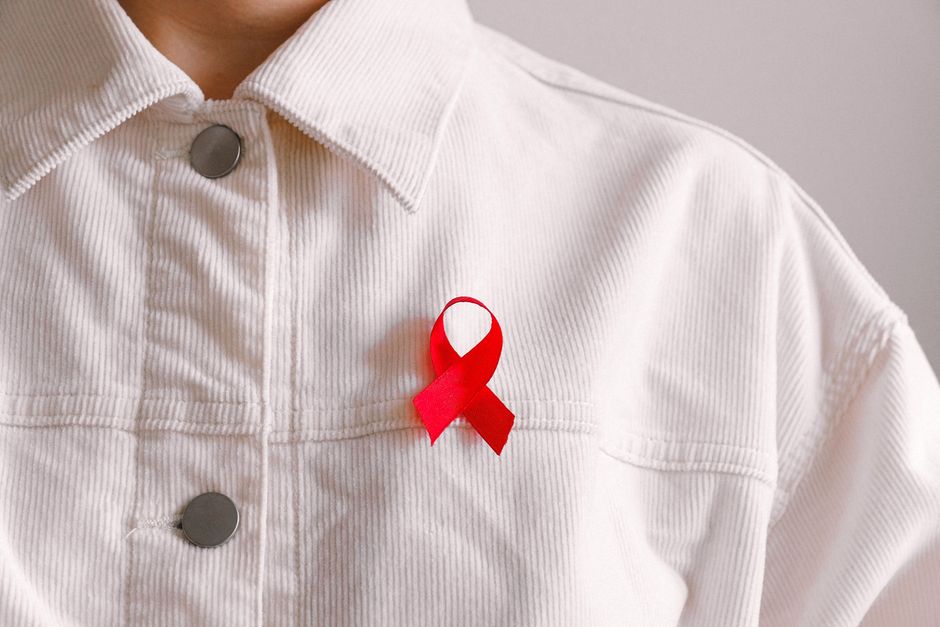
When Eric was diagnosed with HIV at the age of 26, a doctor delivered a prognosis that might have ended the conversation for many patients. He was told to prepare for his own funeral and to abandon the hope of ever having children. Years later, that same diagnosis has become the foundation of a personal mission to inform, support, and advocate for others living with the virus in Burundi.
Turning a Stigmatized Diagnosis Into a Public Voice
Eric’s experience mirrors that of countless people across sub-Saharan Africa who learned of their HIV status at a time when treatment options were limited, misinformation was widespread, and the social stigma surrounding the virus could be as destructive as the illness itself. The initial counsel he received from his physician reflected an era when an HIV diagnosis was still widely viewed as a death sentence, even in clinical settings.
Rather than retreat from the weight of that prognosis, Eric chose to speak openly about his status. He began sharing his story in community settings, in conversations with newly diagnosed patients, and in broader public discussions about prevention, treatment adherence, and the importance of testing. His activism, he has suggested, is rooted in the belief that silence and shame remain among the greatest barriers to effective HIV response in the region.
Burundi’s Ongoing Battle Against HIV
Burundi, a small and densely populated nation in the Great Lakes region, has made measurable progress in the fight against HIV over the past two decades. National health authorities, working alongside international partners, have expanded access to antiretroviral therapy and promoted voluntary testing. Yet challenges persist, including rural healthcare access, the cost of long-term treatment, and persistent stigma that discourages some people from seeking diagnosis or care.
Activists like Eric play a role that clinics and policy frameworks often cannot fill on their own. By telling their own stories, they work to humanize the disease, dispel myths about transmission, and encourage individuals to learn their status without fear of social rejection. In many communities across East Africa, peer-led advocacy has been credited with improving testing uptake and supporting treatment continuity.
Redefining What a Diagnosis Can Mean
The doctor’s words that once urged Eric to plan for his own death now stand in stark contrast to the life he has built. The idea of fatherhood, once dismissed as impossible, is part of a broader redefinition of what it means to live with HIV today. Advances in treatment have made it possible for people living with the virus to lead full lives, including forming families, when supported by appropriate medical care.
Eric’s trajectory — from a patient told to prepare for a coffin to a public advocate — illustrates both the progress made in HIV treatment and the enduring power of personal testimony. His story continues to circulate as a reminder that the response to HIV is not only a matter of medicine and policy, but also of voice, dignity, and the refusal to be defined by a diagnosis.
Source: AllAfrica — read the original report.