Africa’s camels struggle as extreme heat pushes even the desert’s most resilient animals to their limits
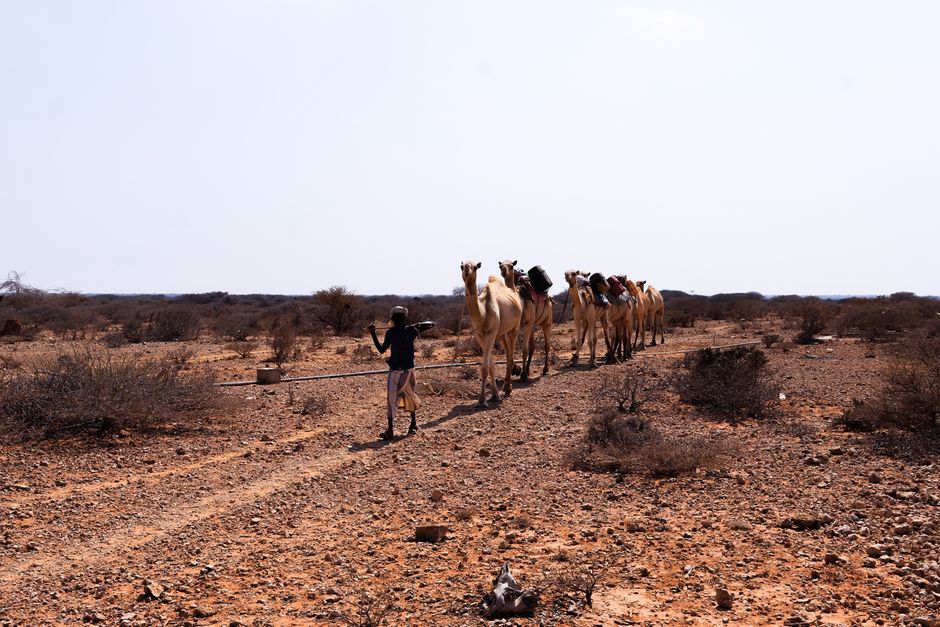
Camels, long regarded as the most resilient animals in some of the world’s harshest environments, are increasingly showing signs of strain as record-breaking temperatures grip parts of Africa. Pastoralists and animal health specialists say the animals that have helped human communities traverse arid regions for centuries are now struggling to cope with heat that exceeds their natural tolerance.
A resilient animal under new pressure
For thousands of years, camels have been central to life across the Sahel, the Horn of Africa, and the wider arid belt stretching from the Atlantic to the Red Sea. Their ability to endure long periods without water, regulate body temperature, and survive on sparse vegetation has made them indispensable to nomadic and semi-nomadic communities. However, researchers and herders alike are reporting that the pace and intensity of recent heat waves are testing those adaptations in ways not previously observed.
Extreme heat episodes, which climatologists link to broader patterns of warming across the continent, are now occurring more frequently and lasting longer. Conditions that once pushed camels to their physiological limits are becoming more common, leaving animals with less time to recover between periods of intense heat. Herders describe camels panting heavily, seeking shade for extended periods, and showing reduced willingness to travel or work.
Impact on pastoralist communities
The strain on camels carries significant consequences for the people who depend on them. Camels provide milk, meat, transport, and income for millions of households, particularly in regions where other livestock species fare poorly. When camel health declines, households lose a critical source of nutrition and economic stability. Some pastoralists have reported changes in breeding patterns, with female camels producing less milk during prolonged heat.
Veterinary experts across the region are noting shifts in the types of conditions they treat. Heat stress, dehydration, and related complications have become more frequent concerns, even among animals specifically adapted to arid environments. There are also growing discussions about how traditional herding practices, which were developed over generations in response to variable climate conditions, may need to adapt as those conditions become more extreme and less predictable.
A broader climate signal
The difficulties facing camels are part of a wider pattern affecting livestock and wildlife across Africa. Rising temperatures, prolonged droughts, and shifting rainfall patterns are reshaping ecosystems that have long supported pastoral economies. Researchers note that while camels remain among the better-equipped species to handle heat, there are limits to what any animal can endure.
Scientists and development organizations are calling for more investment in climate adaptation measures, including improved veterinary services, access to water resources, and research into how pastoralist knowledge can be combined with modern climate science. As temperatures continue to rise, the fate of the so-called ships of the desert may offer an early indication of how climate change is reshaping life across the continent.
Source: BBC News — read the original report.