South Africa and World Bank Sign $1.5 Billion Loan to Back Infrastructure Reforms
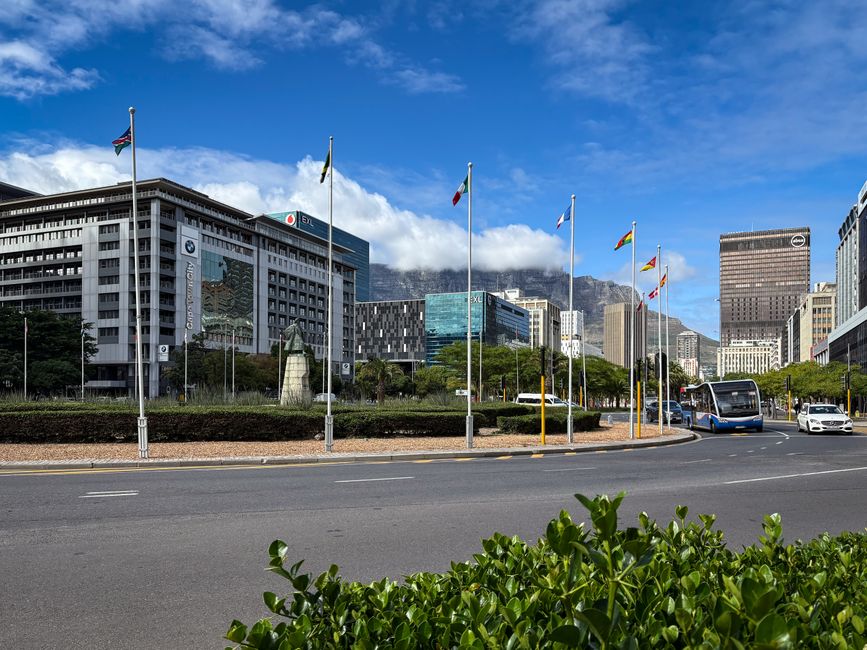
South Africa and the World Bank have formalised a US$1.5 billion Development Policy Loan agreement intended to underpin infrastructure reforms and stimulate inclusive economic growth across the country. The signing, announced by the South African government, marks one of the larger single financing commitments between the two partners in recent years and underscores the international financial institution’s continued engagement with Africa’s most industrialised economy.
Focus on Structural Reforms
Development Policy Loans are a long-established World Bank instrument designed to support countries pursuing wide-ranging policy and institutional reforms. Rather than financing individual projects, the funds are disbursed against a government’s commitment to a programme of structural changes, with the bank providing budget support once agreed benchmarks are met. In South Africa’s case, the loan is expected to be channelled toward reforms aimed at improving the efficiency, sustainability and reach of the country’s infrastructure networks, a long-standing bottleneck to growth.
South Africa has for years grappled with constraints in electricity generation, freight rail capacity, port logistics and water systems. Bottlenecks in these areas have weighed on productivity, raised operating costs for businesses and limited the country’s ability to take full advantage of its mineral wealth and manufacturing base. The latest loan is framed within a broader push by the government to crowd in private investment, modernise state-owned enterprises and rebuild public finances.
Implications for Growth and Investment
Inclusive economic growth has been a recurring theme in the government’s reform agenda, with officials repeatedly emphasising the need to address high unemployment, persistent inequality and uneven regional development. By tying the loan to infrastructure reform, the World Bank is effectively backing policies intended to lower the cost of doing business, expand access to basic services and create conditions for broader-based job creation.
The agreement also signals continued investor confidence in South Africa’s reform trajectory, even as the country navigates a challenging fiscal environment and slower-than-expected growth. Development partners and multilateral lenders have increasingly framed their support around measurable policy outcomes, and the loan is likely to come with conditions linked to governance, transparency and the pace of implementation.
A Broader Partnership
The relationship between South Africa and the World Bank stretches back decades and spans a wide portfolio of operations, ranging from skills development and climate resilience to financial sector reform. The new loan adds to that engagement and is expected to be complemented by technical assistance aimed at strengthening the institutional capacity needed to deliver on the reform commitments.
As implementation moves forward, attention is likely to shift toward how effectively the borrowed funds are translated into tangible improvements in infrastructure delivery and, by extension, in the everyday economic conditions of households and businesses across the country.
Source: AllAfrica — read the original report.