Turkiye’s Expanding Military Footprint in Eastern Libya Tests Egypt’s Red Lines
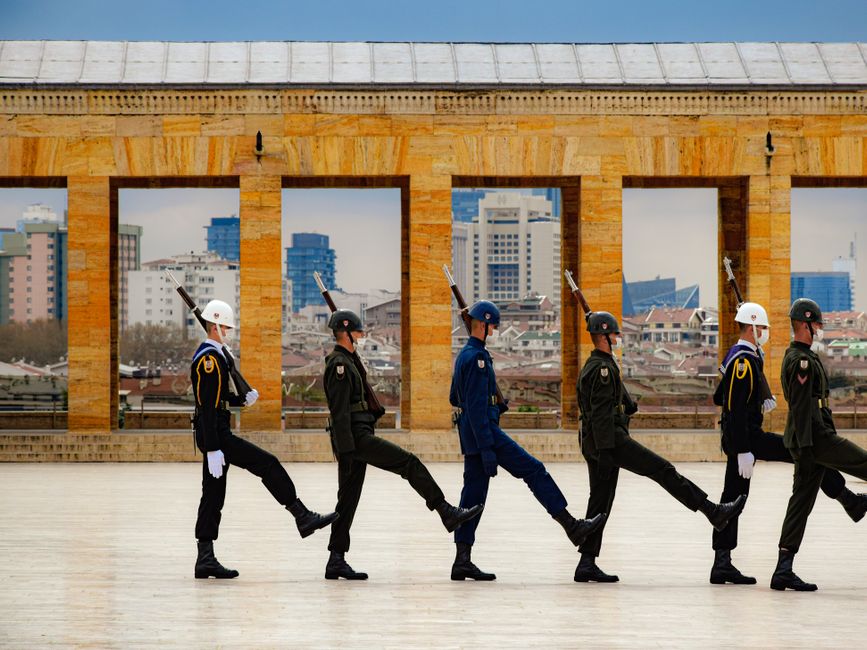
Ankara’s broadening military engagement with forces in eastern Libya is adding a new dimension to the country’s longstanding involvement in the North African country’s protracted conflict, raising concerns among rival regional powers, particularly Egypt, about shifting security dynamics along the southern Mediterranean.
Turkiye has been a major external actor in Libya since the early 2020s, when its military support helped shift the balance of power in the civil war that followed the 2011 overthrow of Muammar Gaddafi. Turkish drones, naval vessels and intelligence cooperation have been credited with shaping outcomes on battlefields and at the negotiating table, including the 2020 ceasefire framework. That involvement, however, was largely focused on the western parts of the country and on the Tripoli-based government.
A new eastern front
The reported deepening of ties with eastern-based factions, including forces aligned with military commander Khalifa Haftar, signals a potentially significant recalibration. Diplomatic sources and regional analysts have noted increased high-level visits, defense industry discussions and training-related contacts in recent months. If confirmed and expanded, such engagement would extend Turkish influence into the territories that have traditionally been within Egypt’s sphere of influence.
Haftar’s Libyan Arab Armed Forces control much of eastern Libya, including the strategic cities of Benghazi and Tobruk, as well as significant portions of the country’s oil-producing south. Any foreign military alignment involving these forces carries implications for energy markets, border security and the balance of power between Libya’s rival administrations.
Egypt’s strategic concerns
Cairo views Libya as a matter of national security rather than a purely foreign affair. Egypt shares a long, porous border with Libya and has consistently opposed the presence of armed groups hostile to its interests near that frontier. It has also positioned itself as the principal international backer of eastern Libyan institutions, including the eastern-based parliament and Haftar’s forces, supplying them with diplomatic cover and, according to multiple reports, material support.
Any expanded Turkish role in eastern Libya is therefore likely to be read in Cairo as a direct challenge. Egyptian officials have previously warned against foreign interference that could destabilize Libya’s eastern flank or alter the regional military balance. The prospect of Turkish trainers, contractors or defense hardware operating alongside forces historically aligned with Egypt would complicate that equation considerably.
Broader regional implications
The development comes against a backdrop of intensifying competition across the eastern Mediterranean and North Africa. Turkiye, Egypt, the United Arab Emirates and Greece have all been drawn into overlapping disputes over maritime boundaries, energy resources and influence in Libya’s unresolved political transition. A Turkish foothold in eastern Libya, long seen as an Egyptian zone of influence, would add a further layer of friction to these rivalries.
Western governments, which have generally pushed for a unified Libyan state under a single government, are also likely to be watching closely. Any deepening of Turkish engagement with Haftar could either accelerate efforts at national reconciliation, if framed as part of a broader unification track, or entrench division if perceived as transactional and one-sided.
An uncertain trajectory
It remains unclear how far the Turkish push into eastern Libya will go, and whether it represents a strategic pivot or a tactical expansion. What is evident is that the Libyan file has become a barometer of wider regional competition, with every new agreement, deployment or diplomatic gesture read through the lens of rival capitals’ strategic interests. Egypt’s response, whether diplomatic, military or both, will likely shape the next phase of a conflict that has long defied resolution.
Source: Al Jazeera — read the original report.