WHO launches first clinical trial of preventive antiviral for Bundibugyo Ebola strain in DR Congo
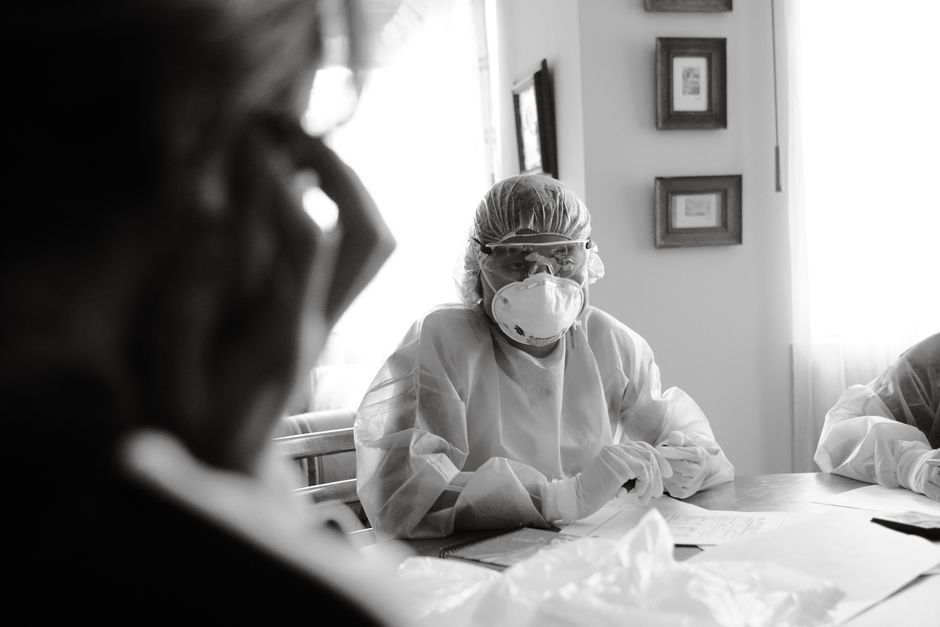
The World Health Organization has launched its first clinical trial to evaluate whether an antiviral drug can prevent infection among people exposed to the Bundibugyo strain of Ebola virus, as an ongoing outbreak in the Democratic Republic of Congo continues to challenge containment efforts.
According to the WHO, the trial was initiated this week in the DRC, where the Bundibugyo strain has been at the centre of recent transmission. The study is designed to test the preventive potential of an antiviral medication administered to individuals who have been in contact with confirmed Ebola patients, an approach known as post-exposure prophylaxis.
A different strain, familiar challenges
The Bundibugyo strain of Ebola virus, first identified in Uganda more than two decades ago, has emerged as a recurring public health concern in Central Africa. While less widely reported than the Zaire strain, which has driven most major outbreaks, Bundibugyo infections can still cause severe illness and death, and they have historically been difficult to contain in remote areas with limited health infrastructure.
The current outbreak in the DRC has placed additional strain on response teams, with WHO officials noting that transmission has at times extended beyond identified contact chains. This pattern complicates ring vaccination strategies and contact-tracing efforts, which rely on quickly mapping networks of possible exposure.
Why a preventive antiviral matters
Existing tools against Ebola include vaccines targeting the Zaire strain, as well as monoclonal antibody treatments shown to improve survival when administered early. However, no vaccine or therapeutic has yet been approved specifically for the Bundibugyo strain, and options for prevention after exposure remain limited. A successful trial could expand the toolkit available to responders and provide an additional layer of protection for health workers, family members and community contacts of infected individuals.
The WHO has previously supported the use of unlicensed interventions under compassionate use frameworks during outbreaks, but formal clinical trials remain the standard for generating evidence on safety and efficacy. By launching a structured study, the organisation aims to produce data that could inform future outbreak responses, both in the DRC and elsewhere on the continent where Bundibugyo and related filoviruses have surfaced.
Response efforts under pressure
Health authorities in the DRC, working alongside international partners, have continued to deploy rapid response teams, deploy diagnostic capacity, and promote safe burial practices. Yet the virus has persisted, highlighting the persistent vulnerabilities of communities affected by insecurity, displacement, and limited access to healthcare. The launch of the antiviral trial underscores both the urgency of the situation and the willingness of global health bodies to experiment with new approaches when conventional methods face limits.
If the trial progresses as planned, its findings could mark an important step toward a more comprehensive response to one of Africa’s most feared viral diseases, offering responders a potential tool to interrupt transmission at its earliest stages.
Source: FRANCE 24 — read the original report.