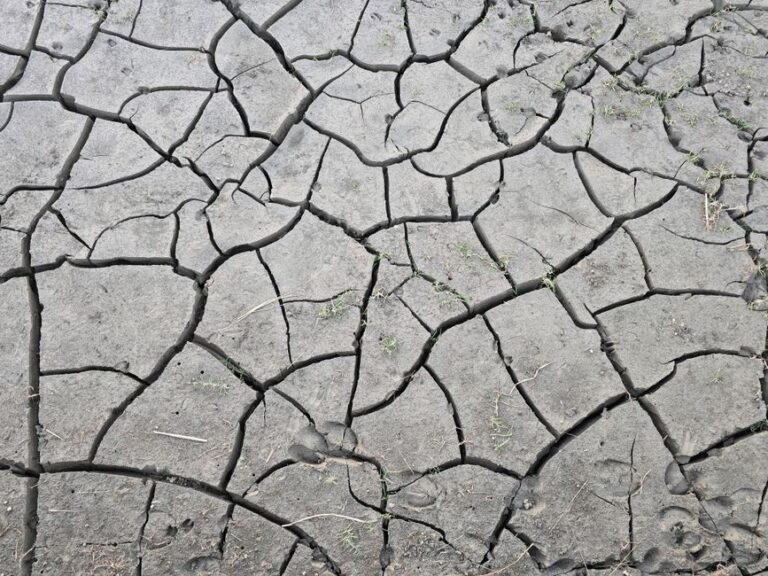
Sudan’s hunger crisis deepens as conflict and Hormuz tensions disrupt fertiliser supply
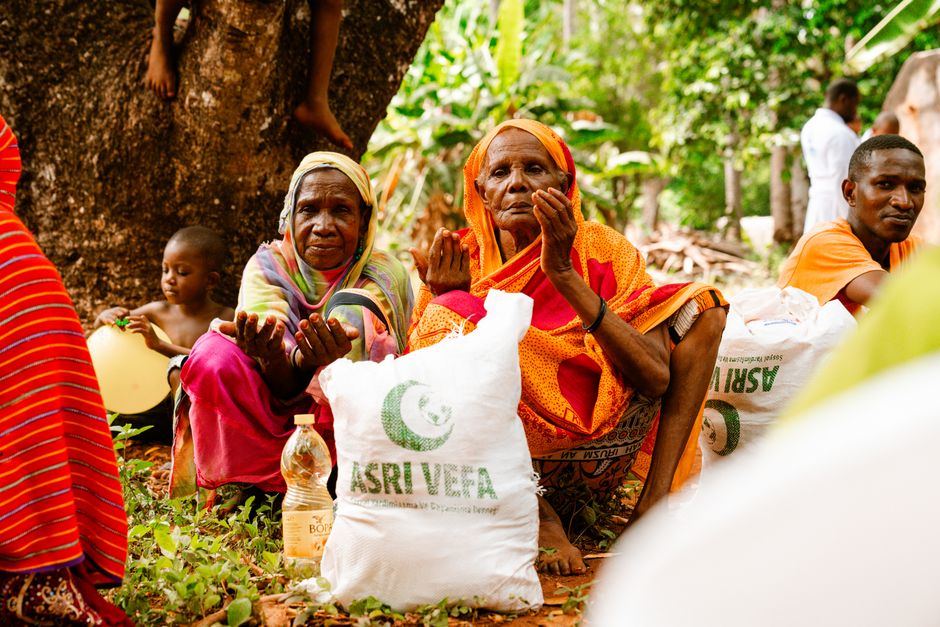
Sudan is facing an escalating hunger crisis as renewed conflict and disruptions to shipping through the Strait of Hormuz have slowed the delivery of vital fertiliser shipments, the United Nations World Food Programme (WFP) has warned. The combined effect of war and constrained maritime trade is intensifying food insecurity across the country, where millions of people already rely on humanitarian assistance.
Conflict compounds a fragile food system
Fighting in Sudan has devastated agricultural production, displaced large segments of the rural population, and disrupted the supply chains that farmers depend on for seeds, fuel and inputs. With farmland abandoned or rendered inaccessible, domestic food output has fallen sharply, leaving the country more reliant than ever on imports and humanitarian aid. International agencies have repeatedly described the situation as one of the most severe hunger emergencies in the world.
The Hormuz factor
Tensions around the Strait of Hormuz, a critical maritime chokepoint through which a significant share of global fertiliser shipments transit, have added a further layer of strain. Industry observers note that rerouting, delays and rising insurance costs have made deliveries to vulnerable markets such as Sudan slower and more expensive. Fertiliser, essential for the next planting season, has become harder to source at a time when it is most needed.
Implications for the planting season
Without adequate fertiliser, farmers in Sudan risk poor harvests in the coming cycle, potentially deepening food shortages well into the future. Humanitarian organisations warn that the convergence of conflict, climate stress and trade disruption is creating conditions in which recovery becomes increasingly difficult. The WFP has stressed the need for sustained humanitarian access and for unimpeded commercial flows of agricultural inputs.
A widening emergency
Analysts say Sudan’s crisis illustrates how localised conflicts can intersect with global geopolitical tensions to produce compounding humanitarian effects. As shipping disruptions in strategic waterways continue and the war shows no sign of abating, aid agencies are calling on the international community to prioritise both peace efforts and the uninterrupted movement of food and agricultural goods.
The coming months are likely to be critical for Sudan’s food security, with planting decisions, aid deliveries and diplomatic efforts all facing significant uncertainty.
Source: Al Jazeera — read the original report.