US to end funding for HIV programmes in South Africa, raising concerns over treatment gaps
The United States has announced it will stop funding HIV programmes in South Africa, a decision that has raised concerns among health experts and advocacy groups in the country with the world’s largest HIV-positive population. More than eight million South Africans are living with the virus, according to widely cited estimates, making the country the epicentre of the global HIV epidemic.
A long-standing partnership under strain
For more than two decades, the United States has been one of South Africa’s leading international partners in the fight against HIV/AIDS, channeling significant resources through initiatives such as the President’s Emergency Plan for AIDS Relief, known as PEPFAR. The programme has supported antiretroviral treatment, prevention campaigns, testing services and efforts to reduce mother-to-child transmission across the country.
South Africa’s HIV response has long relied on a combination of domestic spending and foreign assistance. The South African government has, in recent years, taken on an increasing share of the cost of its antiretroviral programme, but international donors have continued to play a supporting role in reaching vulnerable communities and hard-to-access populations.
Potential impact on treatment and prevention
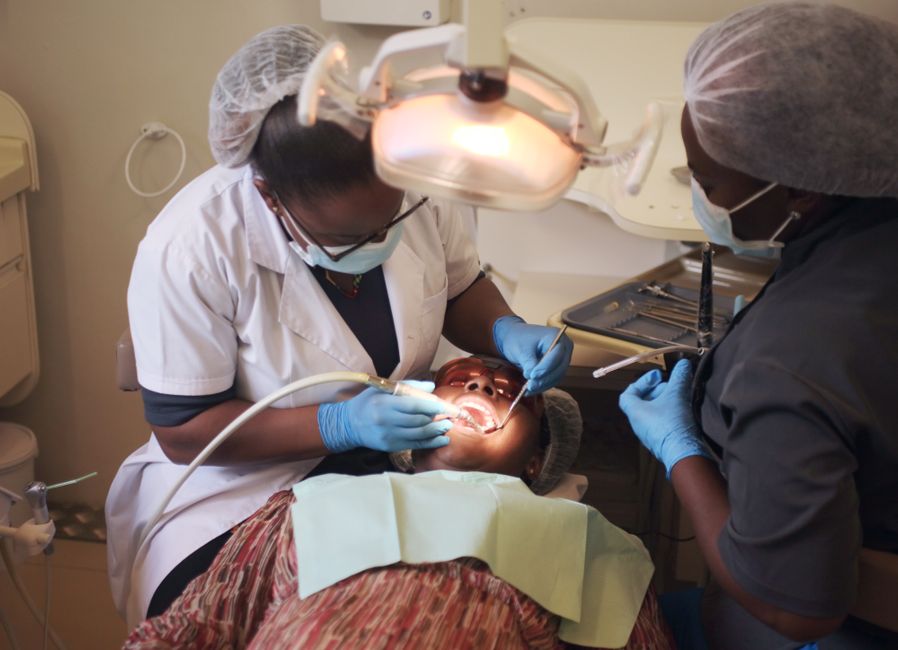
Health organisations have warned that any withdrawal of external funding could place pressure on a healthcare system that still serves millions of people living with HIV. Clinics supported through donor programmes often provide testing, counselling, and treatment adherence support in rural and underserved areas where government services are stretched.
Advocacy groups have also raised concerns about the potential effect on prevention initiatives, including those targeting young women and adolescent girls, who remain disproportionately affected by new infections in sub-Saharan Africa. Community-based organisations, many of which depend on donor grants to operate, could face significant disruption.
Broader context
The US decision comes at a time when several Western donors have been reassessing their overseas aid commitments. South Africa, as the country with the largest absolute number of people living with HIV, is likely to feel the impact of any reduction in external support more acutely than most.
Officials and civil society actors in South Africa are expected to engage with international partners in the coming period to explore alternative funding arrangements and to assess how the transition of donor-supported programmes will be managed.
The shift underscores the ongoing challenge of sustaining long-term HIV responses in countries hardest hit by the epidemic, as the global health community continues to weigh how to maintain the gains made over the past two decades.
Source: BBC News — read the original report.