Sudan’s War Enters Another Year as International Attention Remains Limited
Three years after fighting erupted between Sudan’s armed forces and the paramilitary Rapid Support Forces, the country remains engulfed in a conflict that has reshaped the lives of millions yet continues to receive only fragmented attention from the international community. The war, which broke out in April 2023, has triggered one of the most severe displacement and hunger crises in recent memory, with consequences that extend across the region.
A conflict with deep roots
The power struggle pits General Abdel Fattah al-Burhan, head of the Sudanese Armed Forces and de facto head of state, against his former deputy Mohamed Hamdan Dagalo, known as Hemedti, who commands the RSF. What began as a confrontation over the integration of paramilitary troops into the regular army quickly escalated into a full-scale war, drawing in regional actors and fragmenting along political, ethnic, and territorial lines. Repeated attempts at ceasefires, brokered in part by mediators in Jeddah, Manama, and elsewhere, have largely failed to halt the fighting.
A humanitarian emergency out of view
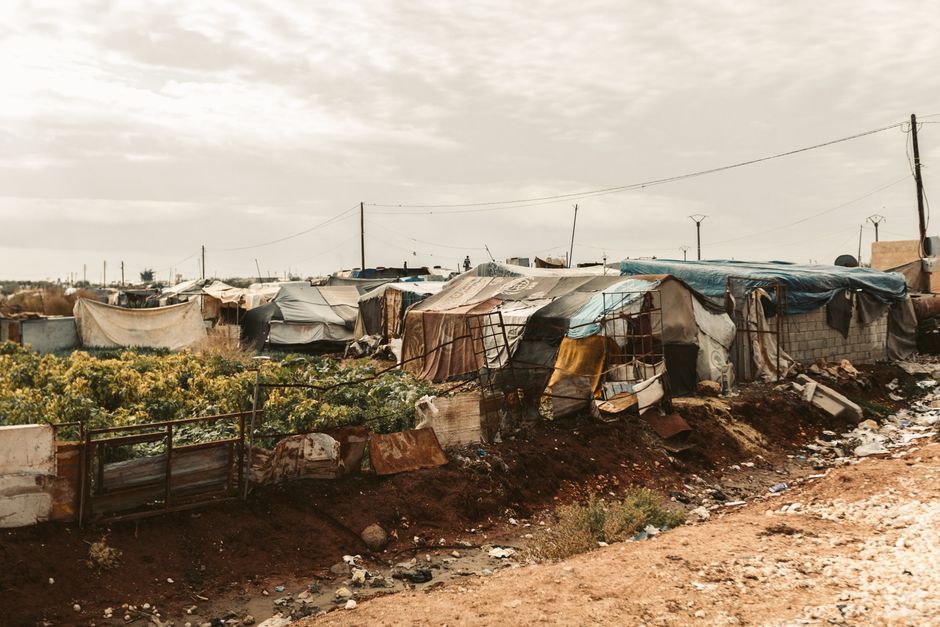
Sudan’s humanitarian situation has deteriorated sharply since the conflict began. Large parts of the country face severe food insecurity, with multiple regions declared in famine conditions by international agencies. Millions of people have been forced from their homes, many crossing into neighboring Chad, South Sudan, and Egypt, while others remain trapped inside Sudan with limited access to aid. Health services have collapsed in many areas, and reports of widespread violence against civilians, including ethnically targeted attacks in the Darfur region, have drawn condemnation from rights groups and United Nations bodies.
Regional spillover and global silence
The war’s effects have rippled well beyond Sudan’s borders. Refugee inflows have strained resources in fragile neighboring states, while the conflict has complicated efforts to address broader regional instability in the Sahel and the Horn of Africa. Despite these wide-ranging consequences, diplomatic engagement has remained inconsistent. Accusations that external powers are backing one side or the other, claims that have included allegations of foreign military support and weapons transfers, have further complicated any unified international response. Meanwhile, coverage of the war in global media has steadily thinned as attention has shifted to other conflicts and crises.
A forgotten crisis
Sudan now stands as one of the largest displacement situations in the world, with figures from UN agencies indicating that the country accounts for a significant share of those forced to flee their homes globally. Yet the level of diplomatic pressure, donor funding, and media scrutiny devoted to the conflict lags well behind that given to other major humanitarian emergencies. Observers and aid workers have warned that without renewed international engagement, the suffering will deepen further, with consequences that will be felt across the region for years to come.
As the war grinds on, those tracking the crisis say the cost of continued indifference is being measured not in headlines but in the daily survival of millions of Sudanese civilians who remain largely out of sight of the world that once pledged never to let such atrocities happen again.
Source: AllAfrica — read the original report.