Ebola and War: Inside the Catastrophic Collision Facing Eastern Congo
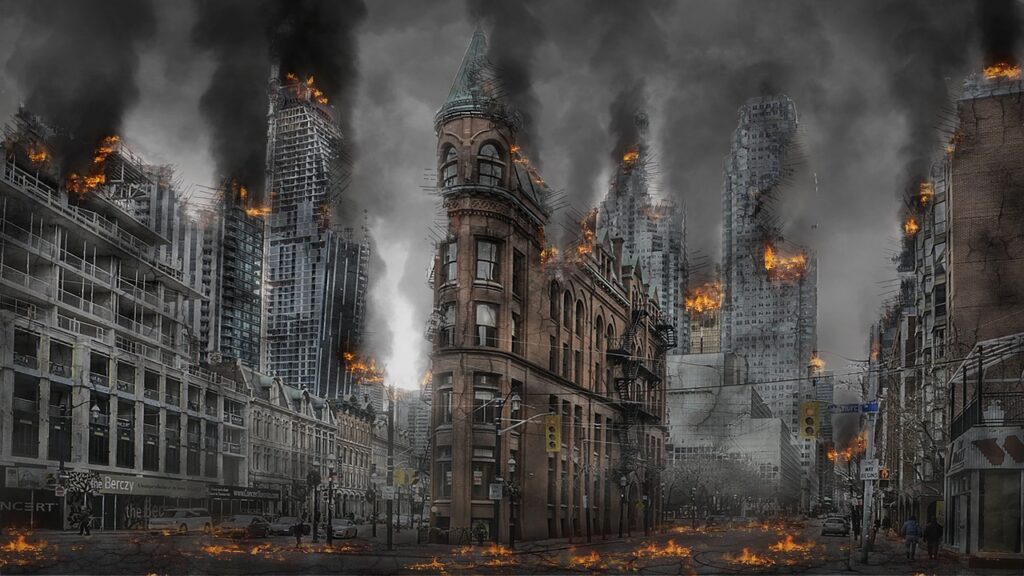
In the eastern reaches of the Democratic Republic of Congo, two catastrophes are colliding with lethal force. Armed groups control vast tracts of territory where Ebola is spreading undetected. Health workers cannot reach villages that have been burned out and depopulated by fighting. The virus finds perfect shelter in the chaos that man made.
WHO Director-General Tedros Adhanom Ghebreyesus used the phrase catastrophic collision to describe what is unfolding in the provinces of North Kivu and Ituri — where JNIM-linked alliances and local militias have intensified operations over the past six weeks, coinciding precisely with a new Ebola outbreak caused by the Bundibugyo strain.
The two emergencies feed each other, Tedros told reporters from Geneva. We cannot vaccinate people we cannot find. We cannot treat people we cannot reach. The conflict is making the health crisis impossible to contain.
The Bundibugyo strain, first identified in 2007, has no approved vaccine. Scientists at the UK-based Porton Down laboratory and a consortium of African research institutions are working to fast-track a candidate vaccine, but clinical trials — if they proceed at all — are months away. In the meantime, contact tracing, isolation protocols, and community burial practices remain the only tools available.
Bunia, Ituri capital, is now effectively sealed off from the outside world. The DRC Civil Aviation Authority suspended all flights to Bunia hours after Uganda closed its land border. Truck convoys bringing supplies from Kinshasa have been ambushed near Goma. The city markets are running out of basic medicines. Local health facilities say they are managing a caseload that is doubling every eight days.
The arrival of the World Cup-qualifying Congolese football team in a European host country has added a diplomatic dimension. A group of Congolese players and officials were admitted to Europe despite the outbreak, accompanied by a medical protocol that local health experts describe as wholly inadequate. The DRC football federation is insisting the team must play its World Cup qualifier — a position doctors say is reckless.
Community trust remains the most elusive ingredient of all. A treatment centre in Rwampara was burned down by residents in early May after rumours spread that aid workers were intentionally infecting locals. Three Red Cross volunteers died from suspected Ebola exposure while trying to conduct safe burials in a community that viewed them with suspicion.
The community doesn believe the virus is real, said Dr. Espoir Mwanga, a local clinician who has worked in the region for eleven years. They believe what they have seen: men with arms, aid workers who come and go, promises that never materialise. Ebola is just one more thing they don believe in.
International humanitarian organisations have called for an immediate ceasefire to allow health workers access. The African Union, the United Nations, and the Pope have all made public appeals. So far, armed groups controlling territory in the outbreak zone have not agreed to any pause in hostilities.
The World Food Programme has warned that food insecurity in the affected provinces is compounding the crisis — malnourished people are more vulnerable to Ebola, and families forced to flee their homes cannot maintain the hygiene practices that prevent transmission. With the rainy season beginning, the outlook for the next 60 days is described by insiders as deeply alarming.
For the people of eastern Congo, the collision between disease and war is not an abstract crisis. It is the ongoing reality of villages emptied, hospitals shuttered, and bodies buried without ceremony by family members too afraid to touch them. If the international response does not change course — and quickly — health experts say the death toll could surpass that of the 2014-2016 West Africa outbreak, which killed more than 11,000 people.