Africa Renewable Energy Projects Overtake Traditional Power for First Time in History
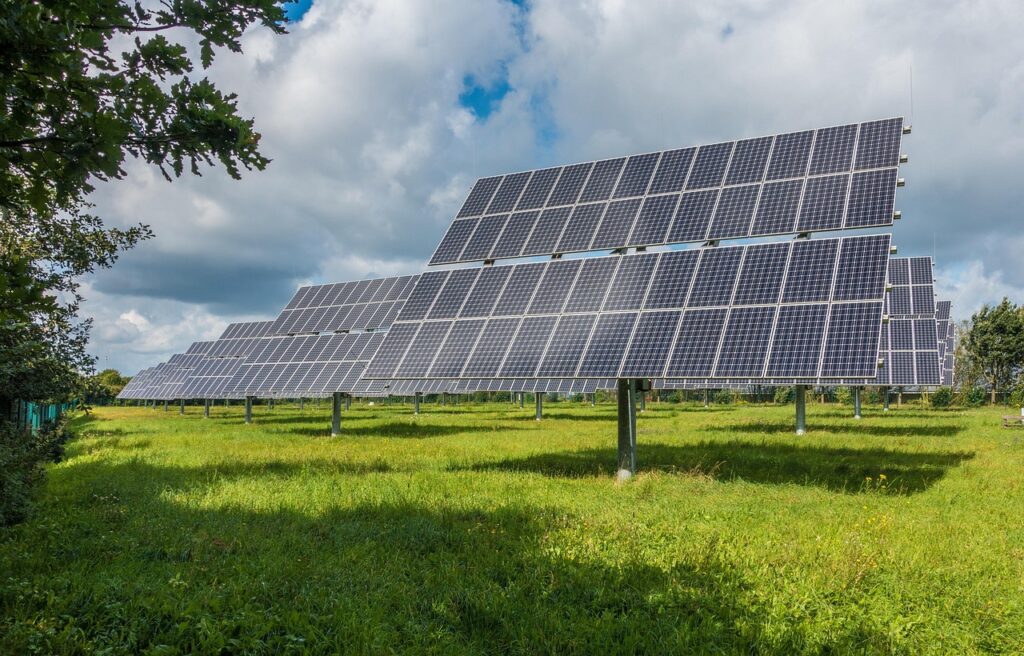
For the first time in recorded history, the amount of renewable energy capacity under construction in Africa has surpassed the capacity of conventional fossil fuel and large hydro projects, according to a new industry report that signals a fundamental shift in the continent’s approach to electricity generation.
A Milestone Moment
The data, published by a consortium of African energy research institutions, shows that as of May 2026, renewable energy projects representing approximately 12 gigawatts of generating capacity were at various stages of development across the continent, compared with 9.5 gigawatts for coal, gas, and oil-fired plants and 8 gigawatts for new large dam projects. The gap is expected to widen further as several planned gas projects face financing challenges and regulatory uncertainty.
The shift reflects a combination of factors that have converged to make renewables the preferred choice for new power generation across Africa. The dramatic fall in the cost of solar photovoltaic modules — which have fallen by more than 80 percent over the past decade — has made solar the cheapest source of new electricity generation in most African markets.
The Forces Driving the Shift
Simultaneously, the global shift toward clean energy has unlocked new financing channels for African projects. Development finance institutions, including the African Development Bank, the World Bank Group, and several bilateral lenders, have dramatically increased their appetite for renewable energy investments on the continent, often offering concessional terms that make projects financially viable in markets where private capital has historically been scarce.
The geopolitical context has also played a role. Volatility in global gas markets, driven in part by the continuing conflict in the Middle East, has made gas-fired power projects more risky for governments that must commit to long-term purchase agreements. Several planned LNG projects in West Africa have been delayed or cancelled as investors grew cautious about demand projections and feedstock costs.
Green Hydrogen Ambitions
The energy transition is also creating new economic opportunities for African countries. Several nations, particularly in the Horn of Africa and Southern Africa, are positioning themselves as exporters of green hydrogen — a fuel produced by using renewable electricity to split water molecules — to energy-hungry industrial markets in Europe and Asia. Large-scale solar projects in these regions are being designed with export capacity in mind.
Challenges That Remain
But the transition is not without its challenges. The intermittent nature of solar and wind power requires investment in storage solutions — primarily battery systems — to ensure reliable supply. Battery costs have fallen significantly but remain expensive for large-scale grid applications, and the regulatory frameworks for storage markets are largely absent across the continent.
Grid infrastructure remains a critical bottleneck. Many African power grids were designed around large central power stations and are not configured to handle the distributed, variable inputs from solar and wind farms. Upgrading transmission and distribution networks will require substantial investment that has not always kept pace with generation capacity additions.
For millions of Africans who remain without electricity access, the shift toward renewables offers a practical pathway to expand energy access more quickly and cheaply than relying on traditional grid expansion. Off-grid solar systems, particularly in rural areas, have emerged as a viable solution for communities located far from existing transmission infrastructure.
More From Economy & Business
Nigerians Want Cheaper Petrol, but Renewed Hormuz Tensions Are Keeping Prices High
De Beers to suspend production at flagship South African mine as diamond demand weakens