Chad’s ‘At the Heart of Art’ Festival Shows a Different Side of N’Djamena
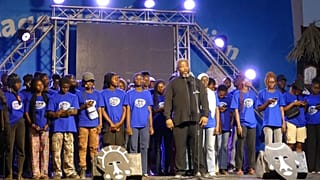
N’Djamena, Chad — In the dusty Bakara district of Chad’s capital, something remarkable has been taking place every year for the past three years. The “At the Heart of Art” festival has grown from a modest community gathering into one of the most talked-about cultural events in Central Africa — and its latest edition, which wrapped up in early May 2026, has left participants and observers alike talking about its potential as a vehicle for youth empowerment and social cohesion.
The festival brings together painters, musicians, dancers, poets, and digital artists from across Chad and the wider region. The 2026 edition, themed on the power of cultural expression to build bridges in divided societies, featured more than 200 artists across three days of exhibitions, live performances, and workshops.
Art as a Language for the Young
What sets the festival apart is its deliberate focus on young people — many of whom come from neighborhoods where opportunities are scarce and the pull of extremism or delinquency is real. The festival’s organizers have structured it not just as a showcase but as a training ground, with mentorship links to professional artists, galleries in Douala and Lagos, and digital platforms that help young creators build audiences beyond Chad’s borders.
“We are not just giving them a stage for a weekend,” said one of the festival’s organizers in an interview during the event. “We are trying to give them a vocabulary — an artistic vocabulary — that can become a livelihood.”
The results of this approach are beginning to show. Several artists who appeared at the first edition in 2024 have since gone on to participate in events in Cameroon, Côte d’Ivoire, and France. The festival has also attracted the interest of international cultural foundations, some of whom have begun exploring multi-year funding partnerships with the organizing committee.
Politics in the Background
The cultural vibrancy of the festival unfolds against a more complicated backdrop. Chad remains governed by military strongman Mahamat Idriss Déby Itno, who assumed power following the death of his father in 2021. While the transition timeline has been extended — most recently with the announcement of elections delayed until late 2026 — critics say the space for political expression beyond the state-controlled framework remains severely constrained.
The contrast between the festival’s freedom and the surrounding political climate was not lost on attendees. Several young artists spoken to at the event said they viewed art as a way to process the contradictions of daily life under a transitional government that offers few clear political horizons.
A Model for the Region?
Observers from neighboring countries have begun making the trip to N’Djamena specifically to study the festival as a potential model. With Central Africa often overlooked in continental cultural conversations, Chad’s creative scene may be due for a reassessment.
Whether the “At the Heart of Art” festival can sustain its growth and become a permanent fixture on the African cultural calendar will depend on continued funding, institutional support, and the political environment remaining open enough to allow such gatherings to continue.
Image: African cultural festival and artistic expression — Wikimedia Commons.
More From Society & Culture
Laws, Stigma, and Exclusion: The Hidden Barriers to HIV Care for Transgender Africans
Survey points to rising optimism among African youth alongside more pragmatic views of global powers