China Opens Africa Doors: Zero-Tariff Access for 53 Nations Takes Effect

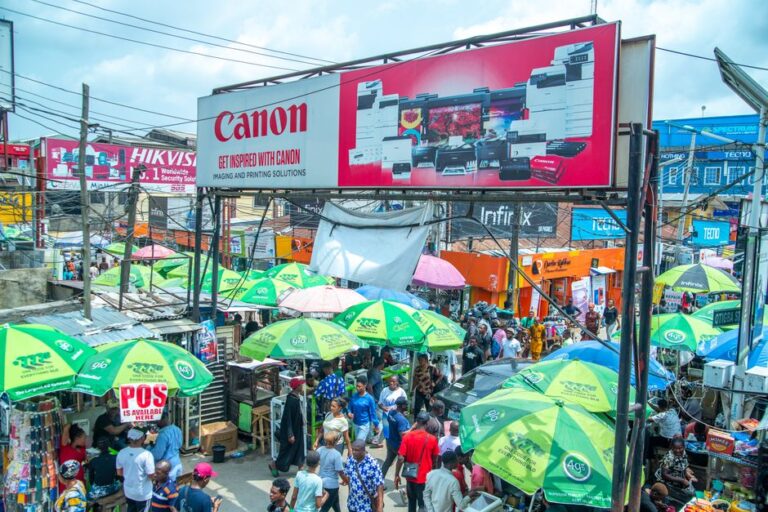
From May 1, 2026, China began collecting zero tariffs on imports from 53 African nations — a sweeping policy change that could redirect billions of dollars in trade flows and reshape the continent’s relationship with the world’s second-largest economy.
## A Landmark Policy
The announcement, first made by Beijing at the Forum on China-Africa Cooperation (FOCAC) summit, marks the culmination of a multi-year effort to deepen economic ties between China and Africa. Under the new framework, all African countries that maintain diplomatic relations with Beijing — excluding Eswatini, which recognizes Taiwan — will benefit from duty-free access for the vast majority of goods.
Analysts estimate the policy could increase African exports to China by 15-25% over the next three years, particularly in sectors where African nations have natural advantages: agriculture, minerals, and light manufacturing.
“This is a genuine game-changer,” said Dr. Akinwumi Adesina, president of the African Development Bank. “For many African exporters, the cost advantage of zero tariffs could be the difference between accessing a market of 1.4 billion people and being priced out.”
## Sectors Set to Benefit
Agricultural exports are expected to be among the biggest winners. Coffee, cocoa, tea, and tropical fruits from Ethiopia, Kenya, Côte d’Ivoire, and Ghana now enter China without the tariffs that previously made them uncompetitive against Latin American rivals. Specialty crops and plant-based cosmetics could also see significant growth.
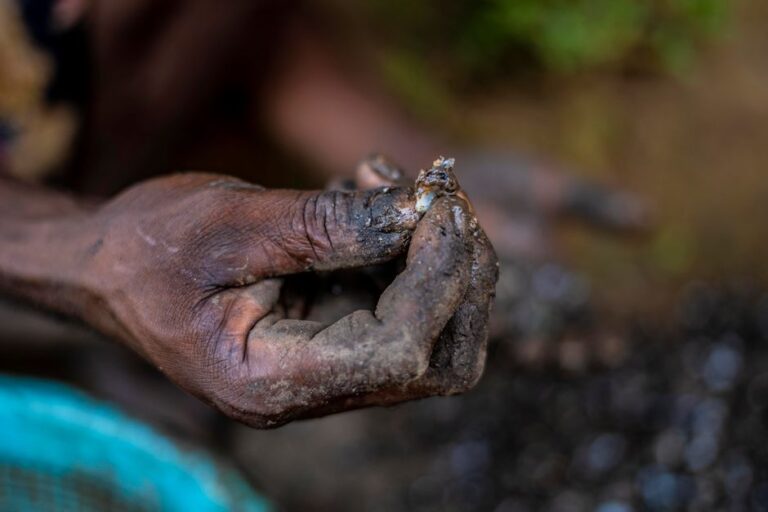
For mineral exporters, the picture is more complex. China already imports large volumes of African copper, cobalt, and lithium — critical for electric vehicle batteries and renewable energy technology. Zero tariffs will make these even cheaper, though critics worry the policy reinforces Africa’s role as a raw-material exporter rather than an industrial processor.
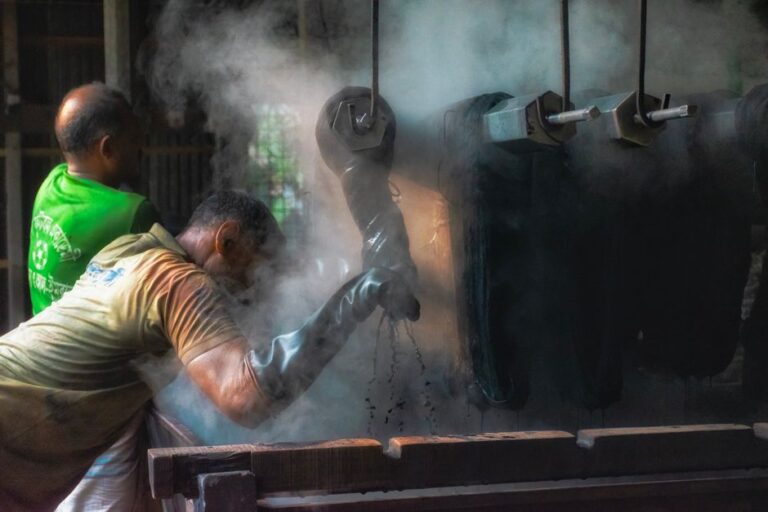
Light manufacturers in Ethiopia, Rwanda, and Senegal may also benefit, as zero tariffs improve the competitiveness of made-in-Africa goods against Chinese domestic products. However, many analysts note that African manufacturers still face significant challenges in logistics, standards compliance, and scale that no tariff policy can solve overnight.
## Geopolitical Dimension
The zero-tariff announcement arrives as the United States and European Union are reorienting their Africa strategies around “friend-shororing” and supply chain diversification. China is positioning itself as the reliable, long-term trade partner for African nations — a message that resonates in capitals that have grown frustrated with Western conditionalities and slow disbursements.
Beijing’s Africa trade has grown more than 20-fold since 2000, reaching over $280 billion in 2024. Unlike Western investors, Chinese firms and state banks have shown willingness to fund large infrastructure projects, often tied to Chinese contractors and materials. The zero-tariff policy is likely to deepen this interdependence.
## The Eswatini Exception
One notable omission from the policy is Eswatini, the small Southern African kingdom that remains Taiwan’s only diplomatic ally in Africa. Beijing has long pressured African nations to choose between the People’s Republic and Taiwan, and Eswatini’s continued recognition of Taipei means it remains outside the zero-tariff framework — a quiet but significant incentive for any African government considering a switch.
As Africa’s trade landscape reshapes itself around the new Chinese tariff regime, the continent’s economies face a pivotal question: can they convert zero-tariff access into sustainable, value-added exports — or will they remain primary commodity suppliers in an increasingly competitive global market?
*NowInAfrica — Covering the Continent’s Biggest Stories*