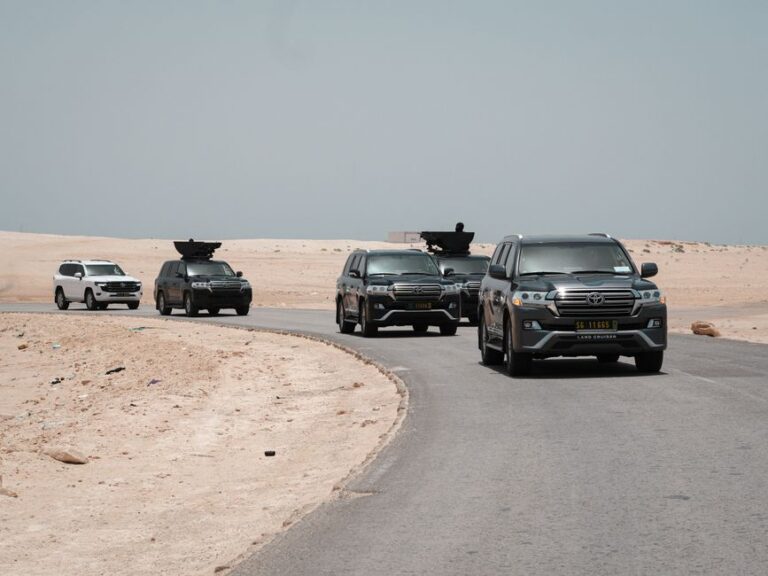
Kenya’s Coalition Crisis: Ruto and ODM at Breaking Point Ahead of 2027 Polls
Kenya’s governing coalition is teetering on the edge of collapse as President William Ruto’s United Democratic Alliance (UDA) and the Orange Democratic Movement (ODM) — the two pillars of the so-called “broad-based government” — engage in a high-stakes political standoff with the 2027 general election now firmly on the horizon.
The latest flashpoint comes amid reports that ODM has suspended formal coalition talks with UDA, citing deepening mistrust and what party insiders describe as a pattern of unilateral decision-making by the presidency. The suspension follows months of accumulated tensions over power-sharing, resource allocation, and the direction of key policy reforms.
Political observers say the coalition was always an uneasy marriage of convenience rather than ideology, stitched together after the 2022 election to give Ruto a workable parliamentary majority. Now, as both parties position themselves for the 2027 contest, the arithmetic of self-interest has shifted dramatically.
At the heart of the dispute is control of the political narrative heading into election season. ODM, led by former Prime Minister Raila Odinga, is demanding a more equitable distribution of ministerial positions and a greater say in appointments across county governments. Ruto’s team insists the current arrangement is balanced and functional.
The political turbulence comes against a backdrop of growing economic strain. Rising fuel costs — driven in part by the Iran war’s effect on global oil markets — have pushed transport and food prices higher, eroding household purchasing power and putting pressure on the government to deliver visible relief.
One political analyst described the situation as a slow-burning crisis that could either force a renegotiation of the coalition’s terms or trigger an early election showdown. “Both sides know they can’t afford a split — but they also can’t afford to look weak,” said a Nairobi-based commentator.
The next few weeks are critical. Informal channels remain open, and both sides have indicated a willingness to talks — but the gulf between maximalist positions on both sides may prove too wide to bridge without significant concessions from one side or the other.
More From Conflict & Security
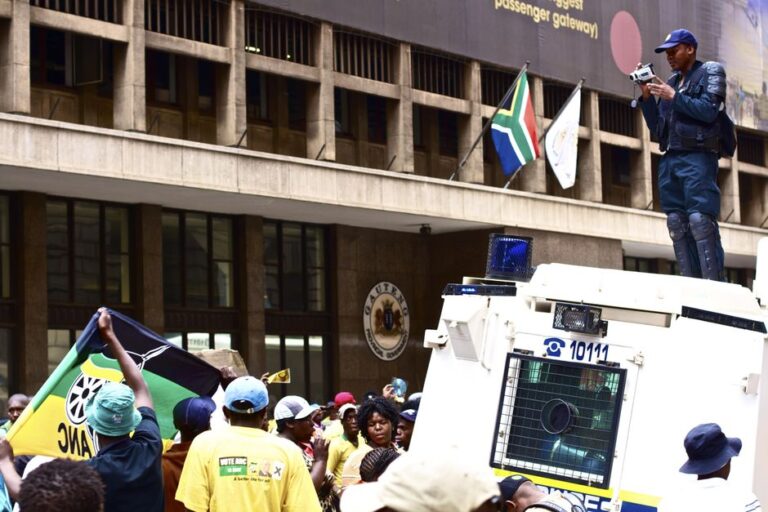
South Africa probes death of Nigerian man who collapsed during arrest
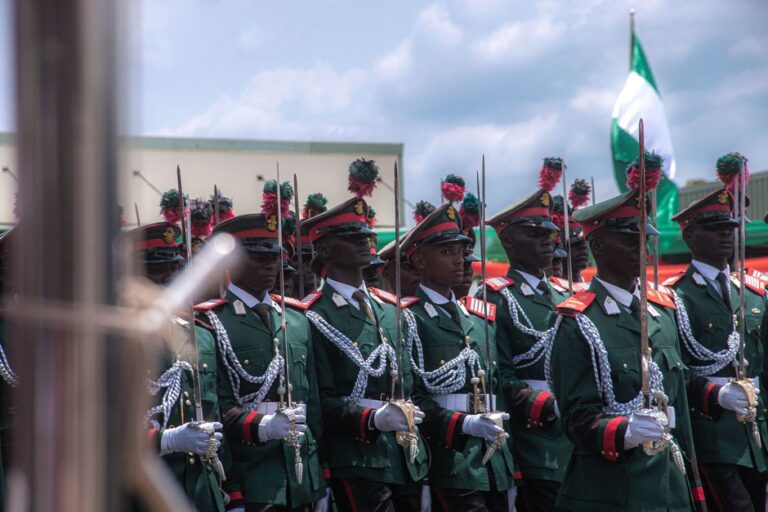
Arrest of Nigerian soldier over alleged links to criminals deepens scrutiny of military conduct