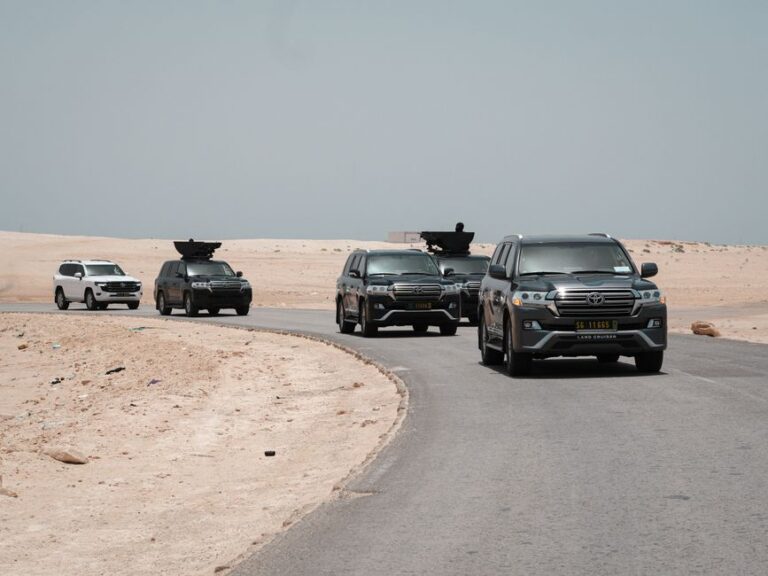
Mali Militants Launch Coordinated Attacks Across Nation, Including Bamako

Eyewitnesses reported heavy gunfire and explosions rocking multiple districts in Mali’s capital Bamako on April 25, 2026, as armed militants staged apparently coordinated attacks at several locations including the northeastern city of Kidal. The strikes targeted military installations and civilian areas simultaneously, in what Malian authorities described as a major assault by terrorist groups. The National Liberation Movement of Azawad — a Tuareg rebellion faction — was among those engaged in combat with government forces. Two Malian soldiers were wounded and at least ten fighters from the rebel group were killed, according to reports from the Malian army. Gunmen entered Kidal’s northeastern neighbourhoods, taking control of some areas and exchanging fire with the army. The violence underscored the relentless instability in the Sahel nation despite years of French and UN counterterrorism operations. The timing — just months after France withdrew its forces from the region — has raised fresh questions about who will fill the security vacuum left behind.
The attacks came as Mali has been battling a festering insurgency linked to al-Qaeda and Islamic State affiliates across its north and centre. The Malian military junta, which seized power in 2020, has pursued close ties with Russian Wagner Group mercenaries even as the formal French Barkhane mission wound down. Analysts say the junta’s reliance on foreign forces and its fractured relationships with local armed groups have done little to stem the bloodshed. The coordinated nature of Friday’s assault — hitting both the capital and a remote northeastern city at the same time — suggests a level of organisation that will alarm regional capitals and their Western partners alike. The African Union and ECOWAS are likely to convoke emergency consultations as the death toll climbs.
The International Dimension
France, which once maintained a 5,000-strong Barkhane counterterrorism force across the Sahel, withdrew its combat troops following the 2020 coup, and its final bases in Mali were vacated under contentious circumstances in 2022. The UN peacekeeping mission MINUSMA, which at its peak deployed more than 13,000 personnel, has also been substantially drawn down after the junta government pressed for its exit. With those two pillars of Mali’s security architecture largely removed, the burden has fallen on the junta’s own forces — and on the Russian military contractors who have become the de facto backbone of its air and ground operations.
The Azawad rebellion, though it signed a 2015 peace accord with the government, has long accused Bamako of failing to honour its commitments on decentralisation and resource sharing — charges the junta disputes. Friday’s fighting, which drew Azawad fighters into the confrontations on the rebel side, suggests that accord may now be effectively dead.
Life Under Fire in Bamako
For ordinary Malians in Bamako, the return of gunfire to their streets was a nightmare revisited. Social media filled with videos of families fleeing districts near the military base at Kati, a town immediately adjacent to the capital that houses one of the army’s principal garrisons. Residents described armed men in pickup trucks — the trademark silhouette of jihadist and Tuareg militia operations alike — moving through neighbourhoods at speed. The international airport reported temporary disruptions though officials said flights resumed by mid-afternoon. Mali’s state broadcaster interrupted normal programming to air a statement from the defence ministry urging calm and promising a full security response. It remains to be seen how large a casualty toll the day will ultimately produce, but the political reverberations are likely to outlast whatever temporary calm the security forces manage to restore.
More From Conflict & Security
South Africa probes death of Nigerian man who collapsed during arrest
Arrest of Nigerian soldier over alleged links to criminals deepens scrutiny of military conduct