South Africa’s Julius Malema Jailed: A Political Earthquake in the Making
South Africa’s Most Polarizing Politician Faces His Darkest Hour
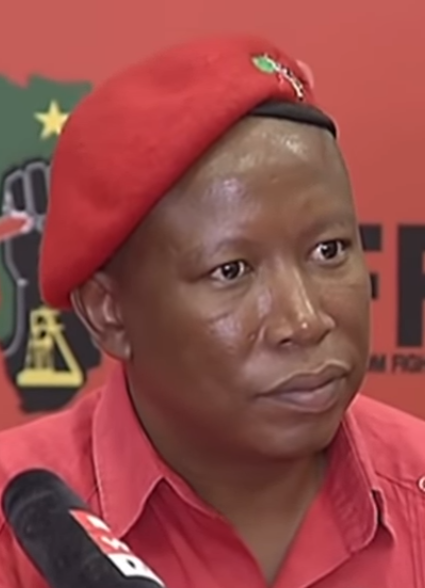
Julius Malema, the firebrand commander-in-chief of South Africa’s Economic Freedom Fighters (EFF), has built a political career on confrontation — with the ruling ANC, with the white minority legacy, with capitalism itself. On April 16, 2026, a court in KuGompo City handed him a five-year prison sentence for unlawful possession of a firearm, and two additional years for unlawful possession of ammunition, effectively ending — at least temporarily — one of the most combative voices in South African politics.
The sentence has ignited a political firestorm, splitting South Africa between those who see justice served and those who view it as a politically motivated persecution of a genuine opposition leader. Malema, 45, has maintained his innocence on the most serious charges and was granted leave to appeal — but the symbolism of his conviction has already reshaped the national conversation.
The Firearm Conviction: What the Court Found
The case dates to 2018, when Malema fired an assault rifle into the air at a public rally — an incident that generated hours of footage and became one of the most replayed moments in South African political history. Prosecutors argued the weapon was illegal; Malema’s defense claimed it belonged to a bodyguard and was discharged accidentally.
The court found otherwise. In delivering the sentence, the judge laid out a narrative of recklessness and disregard for South Africa’s strict firearms laws — laws born from the violent legacy of apartheid-era gun culture that still haunts the nation. “No one, regardless of political standing, is above the law when it comes to the handling of illegal weapons,” the judge said.
Political Crisis or Political Theatre?
Within hours of the sentence, thousands of EFF supporters gathered outside the courthouse, waving red flags and chanting Malema’s name. The party declared a “political crisis” and called for mass mobilization. Within days, protests erupted in townships across Gauteng, with EFF leaders promising that “the courts cannot do what elections cannot do — silence the people.”
Critics were quick to note that Malema’s conviction comes at a politically sensitive moment for the ANC, which has seen its dominance erode steadily in municipal and provincial elections over the past decade. “The timing is remarkable,” said one political analyst. “But the evidence is what it is. He fired a weapon in public. That’s not opinion — that’s fact.”
The EFF has filed an appeal, and legal experts suggest the outcome remains genuinely uncertain — with some estimating a 40 to 60 percent chance the sentence could be reduced or overturned on procedural grounds. While on bail pending appeal, Malema remains free for now, but his movement faces an unprecedented test of its resilience without its central figure at the helm.
What the Conviction Means for South Africa’s Opposition
South Africa’s political opposition has long been fragmented — a reality that has allowed the ANC to govern largely unchecked for three decades since the end of apartheid. The EFF under Malema has been a radical but effective opposition force, pulling political discourse leftward and forcing debates on land reform, nationalization, and economic inequality into the national mainstream.
Whether the party can hold together without him — or whether the conviction merely amplifies his martyrdom narrative — will determine not only the fate of the EFF but the broader trajectory of South African opposition politics ahead of the next national election cycle.
More From Politics & Governance

At inaugural lecture, Prof Adeniyi calls for stronger digital governance amid technological shifts in migration
Nigeria’s economic reforms yielding gains, but poverty levels remain high – IMF