Moroccan rights group blames Rabat and Madrid over Ceuta migrant deaths
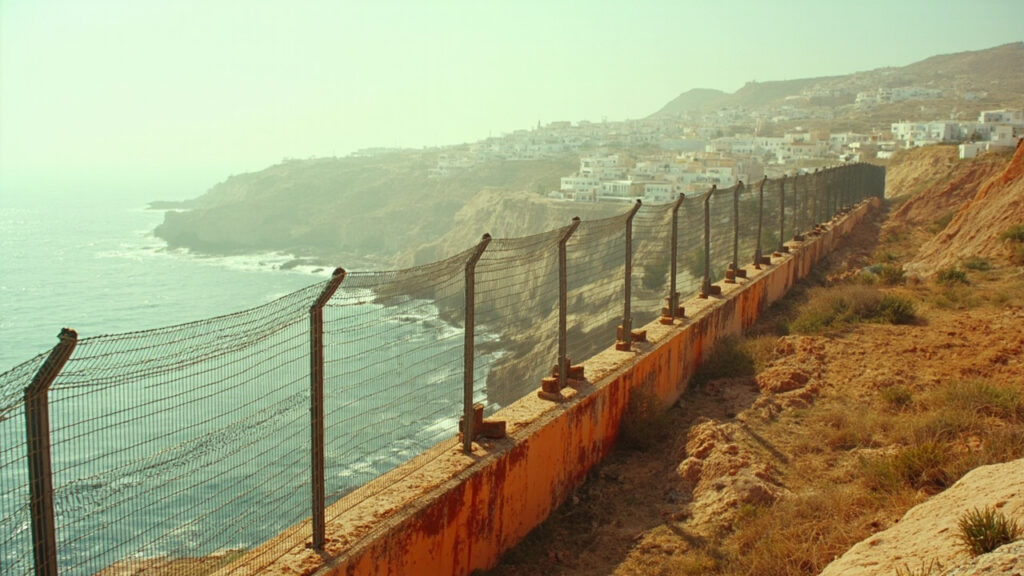
A Moroccan human rights organisation has accused the governments of Rabat and Madrid of prioritising border security over human life, putting at 141 the number of migrants it says have died trying to reach Spain’s North African enclave of Ceuta. According to Africanews, the group is calling for an independent investigation into the deaths and for the creation of safer, regular migration channels between the two countries.
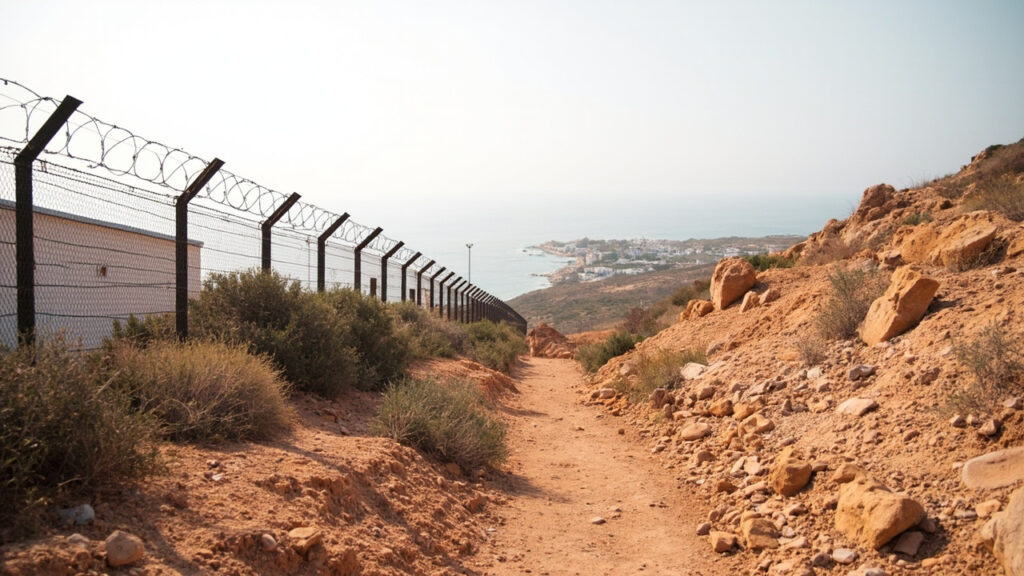
Ceuta sits on a narrow strip of the Moroccan Mediterranean coast, separated from the rest of the Kingdom of Morocco by a fortified boundary that forms one of only two land borders between the African continent and the European Union — the other being Spain’s neighbouring enclave of Melilla, further east along the coast. For more than two decades, the two enclaves have drawn migrants, predominantly from sub-Saharan Africa, who regard them as one of the last physical entry points into EU territory. Surrounding hills conceal smuggling networks, while the waters along the coastline have long carried the bodies of those who attempted the crossing.
Migration management between Spain and Morocco has long been a delicate diplomatic matter, with Madrid heavily reliant on Rabat’s cooperation to police both the land fence and the wider western Mediterranean. The relationship has at times been openly strained, including a 2021 episode in which thousands of migrants crossed into Ceuta within hours, in circumstances widely interpreted as a Moroccan signal during a bilateral crisis with Spain. Subsequent negotiations have led to enhanced border operations, but rights organisations have continued to document deaths in and around the enclave.
The Moroccan organisation is urging a transparent, independent investigation into each of the 141 deaths it has documented, and a shift away from what it characterised as a security-first approach to migration. As Africanews reported, the group is also pressing for an expansion of regular pathways — including humanitarian visas and family reunification programmes — that would, in its view, reduce reliance on dangerous crossings that continue to cost lives.
Sources
This report was written from coverage published by the following news organisations. Follow the links for the original reporting.