

Nigeria’s Endemic Extortion: A Social Disease at Every Level
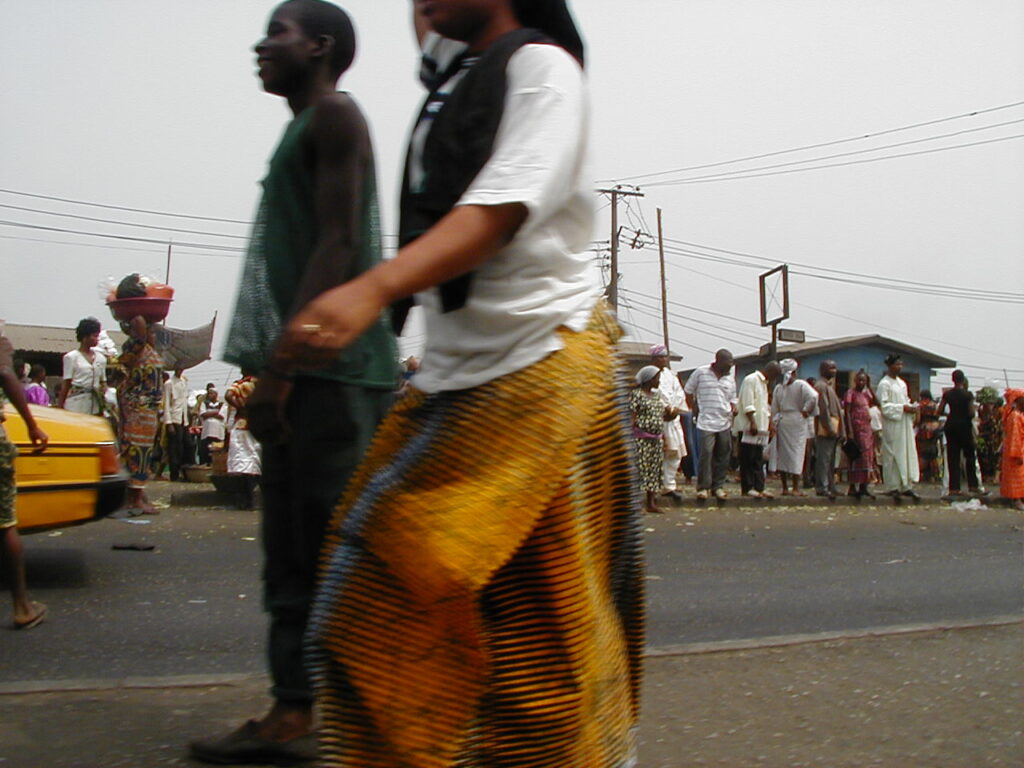
Extortion has become so embedded in everyday life in Nigeria that it now touches virtually every encounter between citizens and the state, according to a report published by This Day, as relayed by AllAfrica. The practice, both official and unofficial, has spread from roadside interactions to formal institutions, reshaping the relationship between Nigerians and those entrusted with public authority.
The report describes a society in which few citizens escape the experience of being extorted, and in which many Nigerians themselves participate in demanding payments from others. From informal “settlements” extracted by low-ranking officials to more structured demands embedded in bureaucratic processes, the practice has become normalised across public life, according to This Day.
Police and Public Servants at the Centre

The Nigerian police force is singled out in the report as one of the institutions where extortion is most entrenched. Officers stationed at checkpoints, patrol routes and police stations are frequently reported to demand cash from motorists, traders and ordinary citizens, often under the guise of informal fees, fines or “facilitation.” This Day notes that many police personnel, unsatisfied with their official remuneration, treat such demands as a routine supplement to their income.
The problem, the report argues, extends well beyond law enforcement. Public and civil servants across ministries, local government offices and regulatory agencies regularly seize opportunities to extract payments from members of the public. Whether processing documents, clearing goods or navigating licensing procedures, Nigerians frequently describe paying amounts beyond official fees simply to have basic services delivered.
A Widening Social Norm
What began, in many accounts, as the actions of individuals has hardened into a widely tolerated practice. This Day observes that extortion is no longer confined to a corrupt few but has become a social pattern in which citizens on both sides of the transaction participate. The newspaper frames it as a “social disease” requiring not only enforcement but a broader shift in how public office is understood and rewarded in Nigeria.
Sources
This report was written from coverage published by the following news organisations. Follow the links for the original reporting.
- AllAfrica — Nigeria: Police and Obsession With Extortion
More From Society & Culture
Nigeria: 101-year-old great-grandmother arrested over cannabis sales

From cardboard to cosplay: inside Nairobi’s growing anime convention scene
