

Cape Verde’s eroding coastline: illegal sand extractions threaten Santiago island
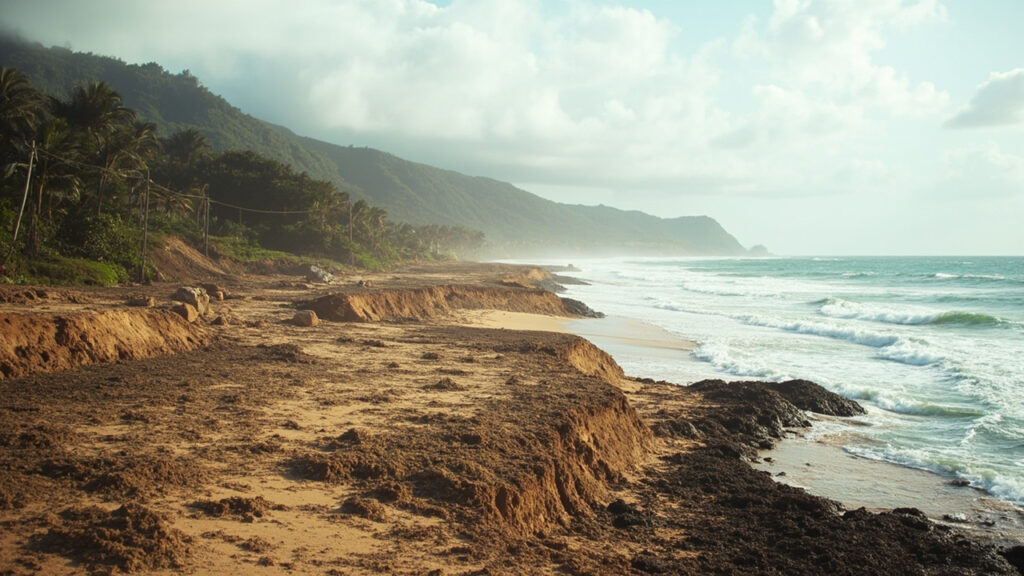
On the island of Santiago in Cape Verde, the bright sandy stretches that once defined the archipelago’s postcard image are disappearing. According to FRANCE 24, decades of illegal extraction of sea sand for the construction industry have been eating away at the coastline, with consequences that extend well beyond the shore.
A shrinking shoreline
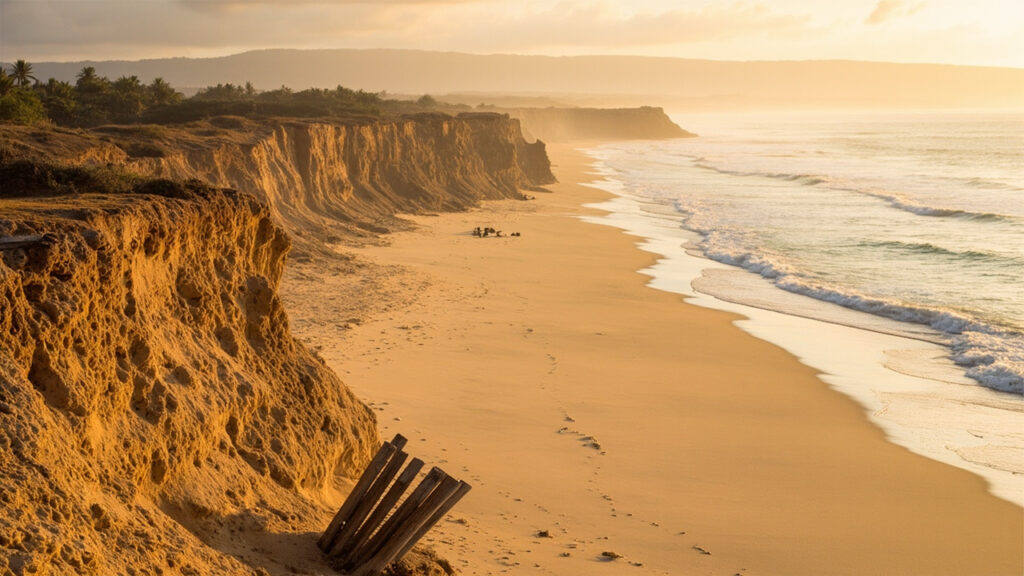
The practice has hollowed out beaches that residents and visitors once knew for their wide, pale shores. As FRANCE 24 reported, almost nothing remains today of the image that long defined parts of Santiago’s coast. The trade now threatens fragile coastal ecosystems, undermining habitats that fish and other marine species depend on. In an archipelago where beach tourism is a meaningful contributor to the economy, the loss of frontage carries both ecological and economic weight.
Pressure on farmland
Beyond the visible erosion, the inland effects are serious. Seawater advances into farmland as natural barriers weaken, leaving soils salty and less productive. Cape Verde already imports the bulk of the food its population consumes, and any added pressure on local agriculture complicates the outlook for rural communities. The salinization of plots that smallholders, often women, depend on for both income and household consumption deepens those strains.
A gendered burden
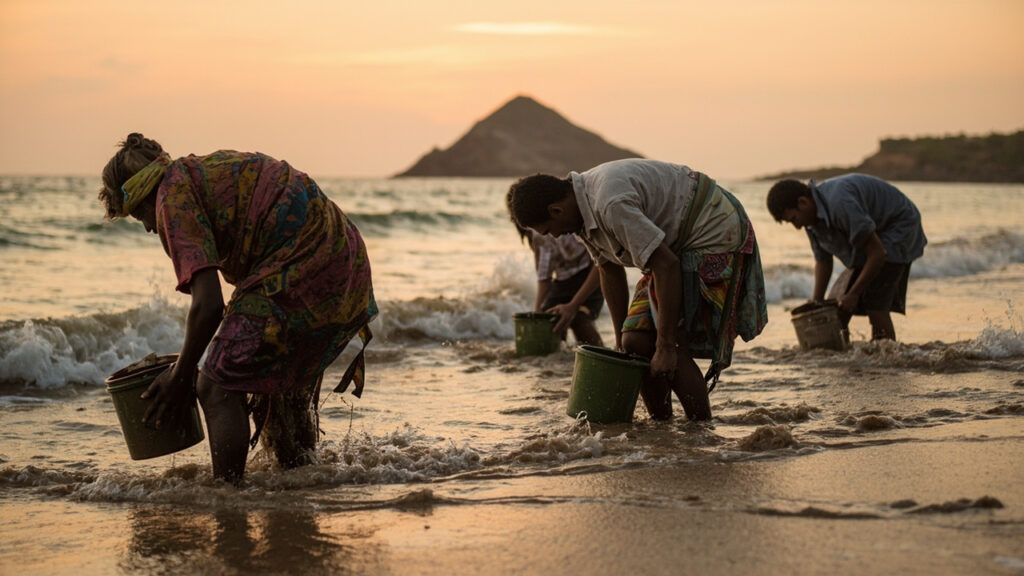
FRANCE 24 also reports that the social cost of the illegal trade falls disproportionately on women. With few alternative sources of income, they are among those drawn into the most hazardous parts of the extraction chain, including wading into the surf to gather sand by hand. The work exposes them to physical strain and to the health risks of repeated contact with saltwater and unstable sandbanks.
An archipelago built on limited resources
Cape Verde, a chain of ten volcanic islands lying roughly 570 kilometres off the coast of West Africa, has historically struggled with limited supplies of construction-grade sand. The volcanic geology of the islands means that river and beach deposits have long been the most accessible source of fine aggregate for builders. As urban development has intensified, particularly around Praia, the capital on Santiago, demand has outpaced what licensed quarries can supply, opening a gap that illegal operators have moved to fill.
The erosion documented on Santiago fits a wider pattern playing out on coastlines around the world, where the sand that builds cities is being taken from the shores that protect them. For Cape Verde, an island state acutely exposed to climate change and sea-level rise, the loss of coastline is more than an environmental wound; it is a question of long-term resilience.
Sources
This report was written from coverage published by the following news organisations. Follow the links for the original reporting.


