Drone attacks now leading cause of civilian deaths in Sudan, UN warns

A United Nations warning that drone strikes have become the leading cause of civilian deaths in Sudan, accounting for 80 percent of civilian casualties recorded during the first four months of 2026, has sharpened international concern over a conflict that aid organisations say is routinely undercounted in its human toll, according to FRANCE 24.
The war in Sudan
Sudan plunged into all-out war in April 2023, pitting the paramilitary Rapid Support Forces (RSF) against the Sudanese Armed Forces in a struggle for control of the country. The fighting has since spread across multiple regions, displacing millions and plunging large parts of the country into what humanitarian agencies have described as one of the world’s worst displacement crises. The two sides have continued to trade accusations over the conduct of hostilities, with civilian populations caught in the middle of urban combat, mass displacement and collapsing infrastructure.
Drone warfare reshapes the battlefield

The UN’s findings highlight how the proliferation of armed drones has transformed the character of the conflict. According to FRANCE 24, the UN said that drone attacks had overtaken ground combat and shelling as the leading driver of civilian deaths in the early months of 2026. The shift reflects a wider pattern seen in other contemporary wars, where relatively low-cost unmanned aerial systems have given both state and non-state forces the ability to strike deep behind front lines. In Sudan, the technology has been deployed across populated areas, where the margin for error in targeting is narrow and the consequences for civilians severe. The UN’s figure that drones accounted for 80 percent of recorded civilian casualties underscores how quickly this method of warfare has come to dominate the conflict.
A toll that aid groups say is far higher
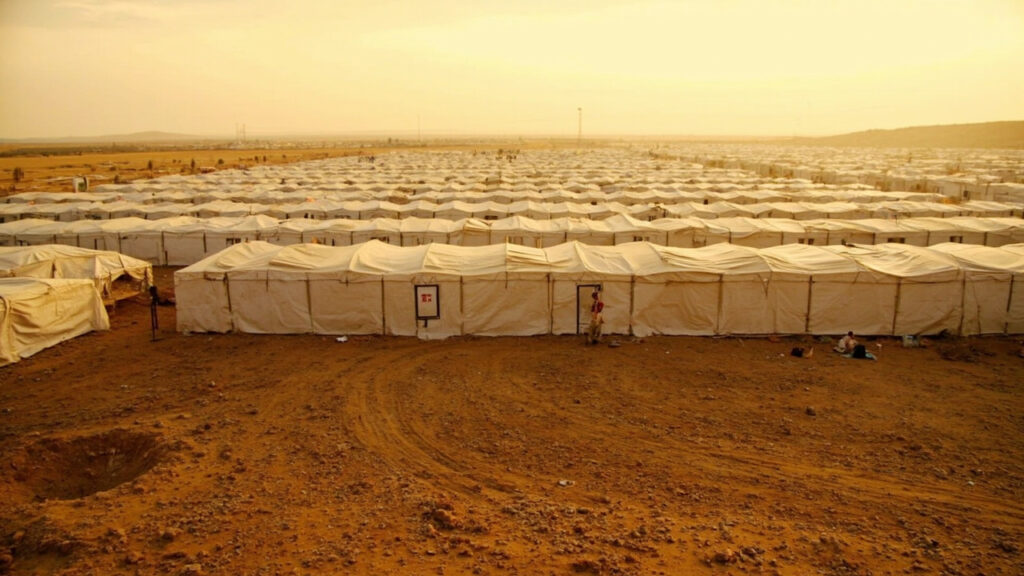
Beyond the headline statistic on drone strikes, the broader death toll from the war remains a source of dispute. The Armed Conflict Location & Event Data project, a conflict monitoring group, has put the number of people killed at least 59,000 since fighting began in April 2023. Aid agencies operating inside and around Sudan have repeatedly cautioned that the true figure is likely far higher, citing the difficulty of collecting data from active combat zones, blocked telecommunications and the collapse of local health services. They have also pointed to famine conditions in parts of the country, mass displacement into neighbouring states and outbreaks of disease as factors that compound the direct deaths from fighting.
International response
The UN’s warning adds to a growing chorus of appeals from humanitarian organisations and African mediators for renewed diplomatic efforts to end the war. Previous mediation tracks, including those led by the African Union and regional envoys, have so far failed to produce a sustained ceasefire. With drone strikes now identified by the UN as the single largest driver of civilian deaths, pressure is likely to mount on both warring parties and on outside suppliers of the relevant technology to curb their use. For Sudan’s civilian population, however, the practical impact of such appeals remains unclear as the war enters its fourth year with no resolution in sight.
Sources
This report was written from coverage published by the following news organisations. Follow the links for the original reporting.