Zimbabwe’s Next Economic Test Is Mobilising Investment, AfDB Says

The African Development Bank has said Zimbabwe’s recent economic reforms have largely succeeded in restoring macroeconomic stability, but has argued that the country’s next priority should be channelling that stability into higher levels of investment capable of supporting sustained growth. According to AllAfrica, the assessment was carried in a Zimbabwean newspaper report summarising the bank’s latest country outlook.
Zimbabwe endured a prolonged period of economic turbulence that included one of the worst episodes of hyperinflation on record, prompting authorities in 2009 to abandon the local currency and adopt a multi-currency system dominated by the US dollar. A new Zimbabwean dollar was reintroduced in 2019, after which the economy struggled with renewed currency volatility and renewed inflationary pressure before recent stabilisation efforts took hold.
The AfDB’s framing suggests that, while price stability has now been broadly restored, that condition alone is insufficient to deliver long-term expansion. Domestic and foreign investment will be needed to rebuild productive capacity in the sectors that anchor the Zimbabwean economy, including mining, agriculture and manufacturing. The bank is signalling that realising the country’s development potential depends on creating conditions that convince investors of policy predictability and macroeconomic durability.
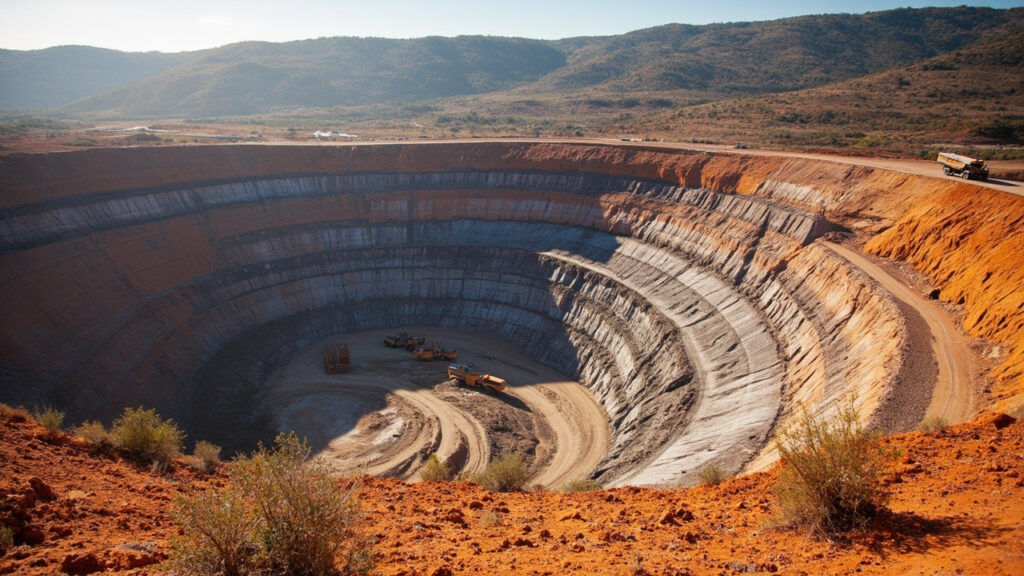
Zimbabwe holds significant mineral reserves, including platinum, gold, diamonds and lithium, alongside a largely agricultural rural economy. The bank’s assessment positions the country at a transition point, moving from a phase dominated by stabilisation efforts to one in which the test is whether the restored equilibrium can be converted into growth-supporting capital flows. How successfully that pivot is managed is likely to shape the country’s economic trajectory in the years ahead.
Sources
This report was written from coverage published by the following news organisations. Follow the links for the original reporting.