The wider impact of donkey theft in Kenya
Across much of rural Kenya, a single donkey can be the difference between a household that fetches water in time and one that does not. As the-star.co.ke reports, the steady theft of these animals is now having consequences that stretch well beyond the loss of a single beast, unsettling families, farms and the wider rural economy.

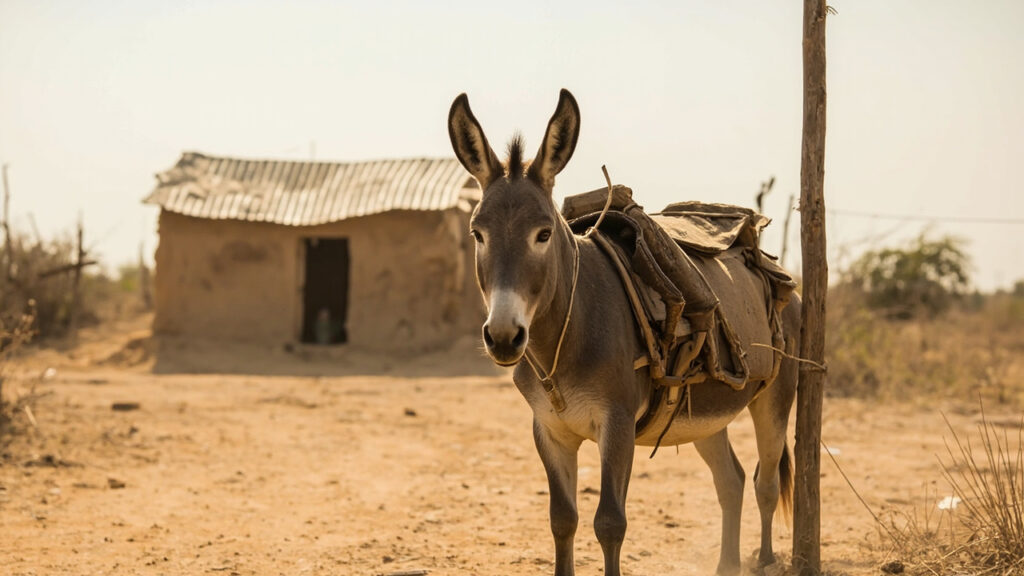
Donkeys are workhorses of the Kenyan countryside. In arid and semi-arid counties, they carry firewood, building materials and water over long distances, often for households that cannot afford motorised transport. Children walk to school on them, and small traders use them to bring produce to market. The animals are especially important for women, who traditionally bear the burden of water collection and firewood gathering. When one is stolen, the workload shifts back onto people, and incomes drop sharply.
The Star highlights how the thefts are part of a wider pattern affecting several African countries, where organised networks target donkeys for their skins, which are exported for use in traditional remedies in parts of Asia. The growing demand has put local donkey populations under pressure and pushed up prices at the same time as animal theft has become harder to police in remote areas.
Kenya moved to curb the trade through legislation in 2020, banning the slaughter of donkeys and the export of their products, a step aimed at protecting both the animals and the communities that depend on them. Enforcement, however, remains difficult in counties where police are stretched and pastoralist ranges cross porous borders.
For the families affected, the loss is rarely just financial. The longer-term impact, as the-star.co.ke notes, is felt in school attendance, food security and the everyday rhythm of village life, where the donkey remains an indispensable working animal.
Sources
This report was written from coverage published by the following news organisations. Follow the links for the original reporting.
- the-star.co.ke — The wider impact of donkey theft in Kenya