The Paradox of Uganda’s Political Corruption
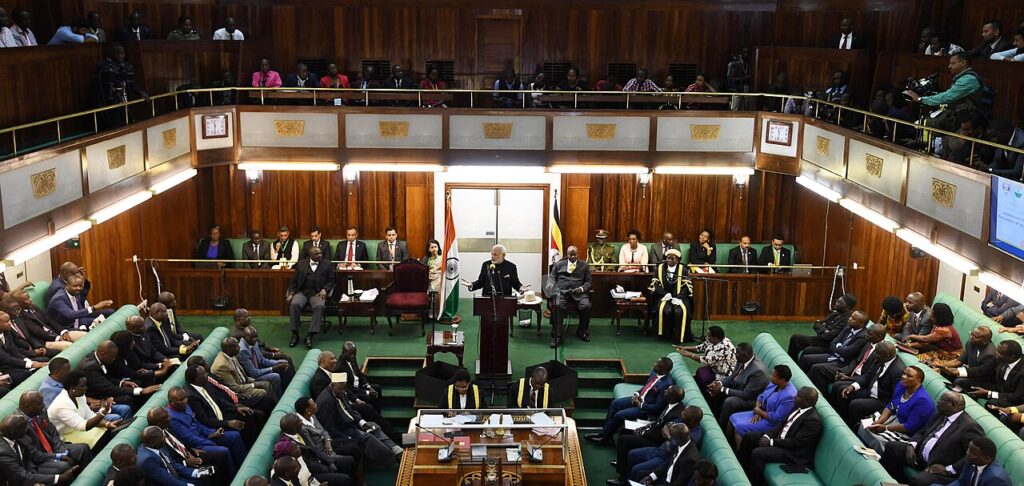
The paradox of political corruption in Uganda — a country that has created multiple state institutions specifically to fight graft while corruption allegations continue to surface in public life — was the subject of recent commentary in the Daily Monitor.
Uganda’s experience presents a contradiction that observers have long noted. Since the National Resistance Movement came to power in 1986, successive administrations have established bodies including the Inspectorate of Government, the Directorate of Ethics and Integrity, and a parliamentary accountability framework, all tasked with combating corruption. Yet civil society groups, opposition politicians, and international indices have continued to document graft in procurement, public finance management, and political office.
The term “paradox” captures the gap between institutional architecture and lived outcomes. Donor partners, multilateral lenders, and civil society organisations have periodically raised concerns about how public resources are managed, even as Uganda has generally been regarded as a regional anchor for stability. The country hosts large refugee populations from neighbouring states and has contributed troops to regional peacekeeping missions, including in Somalia.
Uganda’s standing on widely cited global corruption indices has long been a point of public discussion. Analysts quoted in the Ugandan press have pointed to the relationship between political patronage, public contracting, and the incentives that shape how officials behave once in office. Others have argued that, without stronger judicial independence and protection for whistleblowers, anti-corruption bodies risk being marginalised.
According to Daily Monitor, the commentary adds to a long-running national conversation about whether the institutions built to address the problem are adequately resourced, sufficiently independent, and willing to pursue cases that cut across the political spectrum. Whatever policy prescriptions emerge from the debate, the underlying question of why corruption persists in countries with formal anti-corruption machinery is likely to remain central to Uganda’s political discourse for years to come.
Sources
This report was written from coverage published by the following news organisations. Follow the links for the original reporting.
- Daily Monitor — Paradox of Uganda’s political corruption