

Tanzania’s Fight Against FGM Anchored in Community Engagement

DAR ES SALAAM — For generations, female genital mutilation has been defended in some Tanzanian communities as a cultural tradition, even as health workers, rights advocates and policymakers describe the practice as a serious violation of women’s bodily autonomy and human rights.
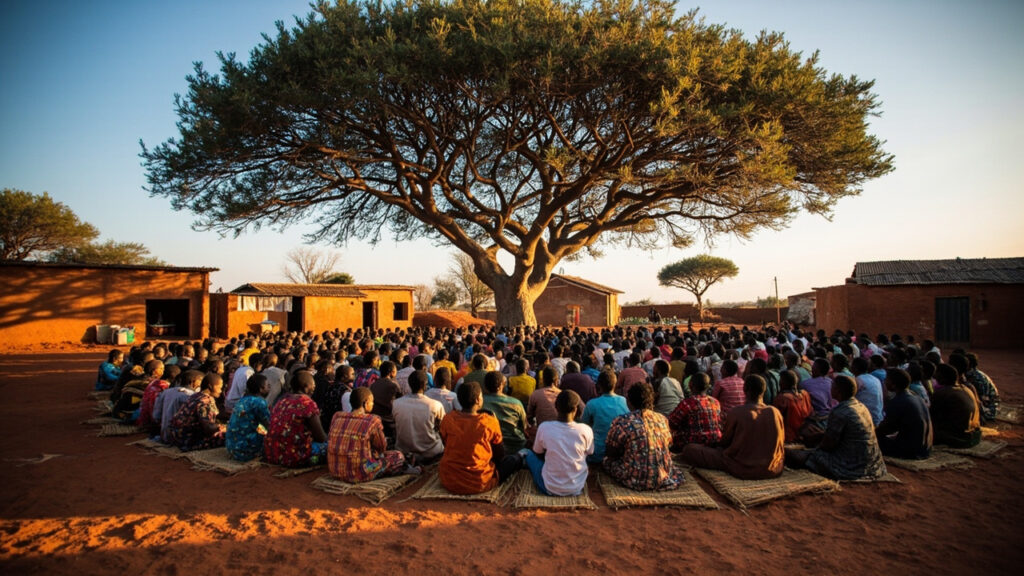
According to AllAfrica, the Daily News reported from Dar es Salaam that efforts to end the practice increasingly focus on working directly with the communities where it persists, rather than relying on legal prohibitions alone.
Tanzania is home to several communities with significant FGM prevalence, particularly in central and northern regions such as Dodoma, Singida, Mara and Arusha. National prevalence figures have long been cited by the World Health Organization and UNICEF at roughly ten percent of women aged 15 to 49, though community-level rates vary widely and can exceed half of women in some districts. The procedure carries well-documented health risks, including severe bleeding, infection, complications in childbirth and lasting psychological harm.
The country has steadily tightened its legal framework. Tanzania’s 2019 amendment to the Sexual Offences Special Provisions Act explicitly criminalized female genital mutilation, setting penalties for those who perform or facilitate the procedure. The change built on earlier child protection legislation and commitments under regional and international human rights instruments.
Advocates say prosecutions alone cannot end a practice so deeply embedded in rites of passage and social status. Community-led abandonment programs, involving religious leaders, elders, women’s groups and traditional circumcisers themselves, have formed the backbone of international initiatives such as the UNFPA-UNICEF Joint Programme on the Elimination of Female Genital Mutilation. In Tanzania, those efforts increasingly pair classroom education and health worker training with village-level dialogue, reflecting a broader consensus that lasting change must come from within.
Sources
This report was written from coverage published by the following news organisations. Follow the links for the original reporting.
- AllAfrica — Tanzania: Ending FGM Begins With Communities
More From Society & Culture

Nigeria: 101-year-old great-grandmother arrested over cannabis sales

From cardboard to cosplay: inside Nairobi’s growing anime convention scene
