Taiwan President’s Africa Trip Blocked: China’s Long Arm Reaches African Airspace
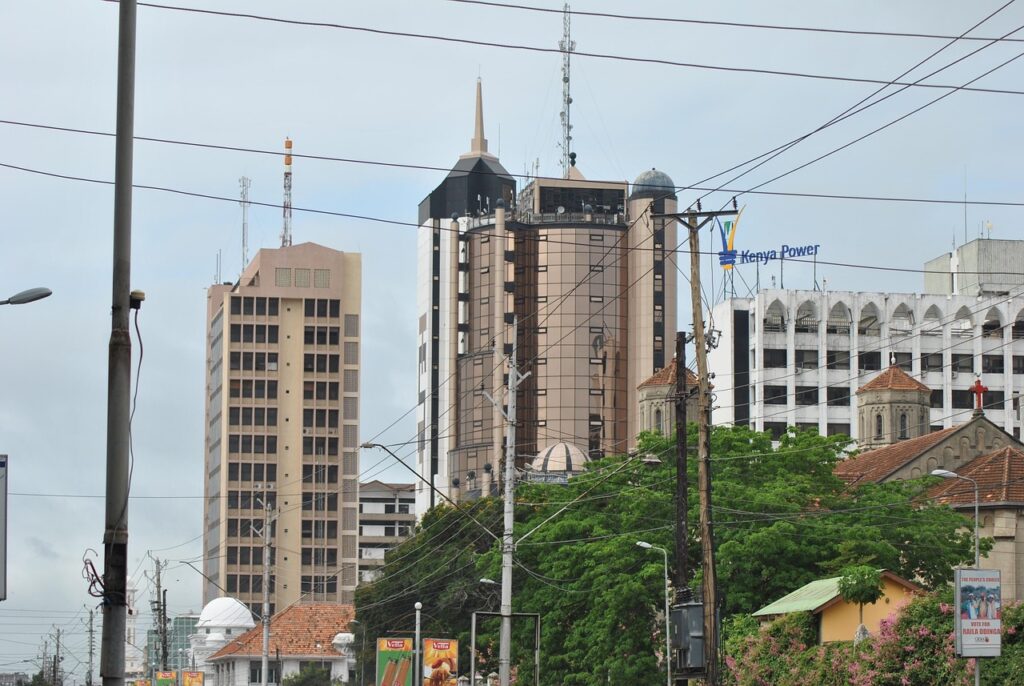
Taiwan’s President Lai Ching-te was forced to cancel a historic trip to Eswatini this week after three African nations — Seychelles, Mauritius, and Madagascar — revoked permission for his plane to fly over their territories. The incident, which Taiwan’s government has directly attributed to pressure from Beijing, has reignited debate about China’s growing ability to dictate the diplomatic geometry of the African continent.
The Itinerary That Never Took Off
President Lai was scheduled to travel to Eswatini — Taiwan’s only remaining diplomatic ally in Africa — from April 22 to 26, to mark the 40th anniversary of King Mswati III’s accession to the throne. The visit was meant to symbolise the endurance of Taiwan’s African partnerships at a time when Beijing has systematically poached its allies across the continent.
Instead, Lai announced the cancellation publicly, accusing China of orchestrating a coordinated pressure campaign that left his government with no viable flight path. “This is not an aviation issue,” his spokesperson Karen Kuo told reporters. “This is political coercion, and the world should see it clearly for what it is.”
China’s Expanding Diplomatic Reach in Africa
China’s influence in Africa has grown dramatically over the past two decades, built on massive infrastructure investment, trade deals, and a carefully cultivated network of diplomatic relationships across the continent. That influence has been weaponised, most visibly in recent years, to isolate Taiwan and ensure that African nations understand the political cost of maintaining relations with Taipei.
The overflight denial is not a new tactic, but the simultaneity and coordination across three nations mark a deliberate escalation. Aviation specialists noted that rerouting the flight would have added significant time and cost — effectively making the trip unviable. Taiwan’s government chose to interpret this as a deliberate diplomatic freeze rather than a logistical inconvenience.
A Wake-Up Call for the International Community
Analysts in Taipei and among Taiwan’s diplomatic partners have framed the incident as a warning sign. Writing in Focus Taiwan, political commentators noted that Beijing’s ability to close African airspace to Taiwan’s president demonstrated a level of continental influence that goes far beyond traditional diplomatic pressure. “This is a wake-up call,” one analyst wrote. “China can now reach into Africa’s sovereign airspace to block a democratically elected leader’s travel. That is not normal.”
The United States and several European governments have issued statements of support for Taiwan, though without directly naming China in the context of the overflight denial. Taiwan’s foreign ministry has briefed diplomatic allies on the incident and is exploring alternative routing options for future travel.
Eswatini: Taiwan’s Last African Foothold
Eswatini remains Taiwan’s most important diplomatic partner in Africa — and increasingly, its only one. As China has consolidated its continental influence, the list of African nations maintaining formal relations with Taiwan has shrunk to a handful, most of them small island nations or microstates with limited strategic weight. Eswatini’s continued allegiance is a significant diplomatic asset for Taipei, and a persistent irritant for Beijing.
The failed trip underscores how fragile Taiwan’s remaining African relationships have become. China’s long arm can reach not just into bilateral diplomacy but into the operational mechanics of state movement — a reminder that in the geopolitics of the 2020s, sovereignty and access are no longer guaranteed for nations that fall outside Beijing’s preferred orbit.
More From Politics & Governance
Tunisians Mark Five Years of Emergency Rule With Renewed Calls for Saied to Step Down
South African President Ramaphosa Secures Temporary Halt to ‘Farmgate’ Impeachment Inquiry