Sudan: Thousands Flee Blue Nile State as Fighting Intensifies Near Ethiopian Border
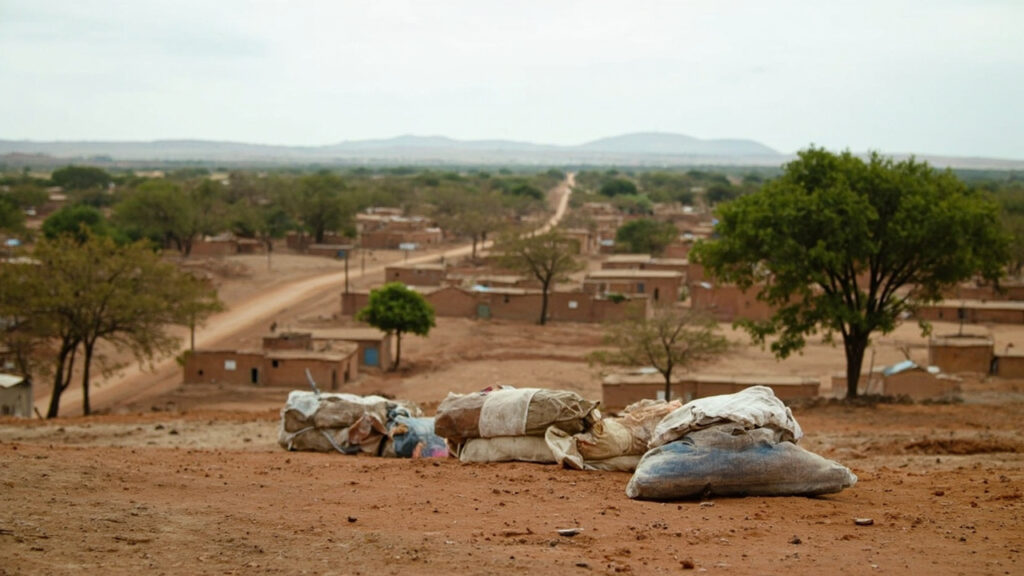
Renewed fighting in southeastern Blue Nile State has forced thousands of residents from their homes, compounding an already severe humanitarian situation worsened by seasonal flooding, according to AllAfrica. Civilian monitors warn that civilians are bearing the brunt of an escalating conflict between the Sudanese Armed Forces and the paramilitary Rapid Support Forces. The displacement has been concentrated in the eastern areas of Geissan locality, where witnesses and civil society organisations reported intense clashes last week.
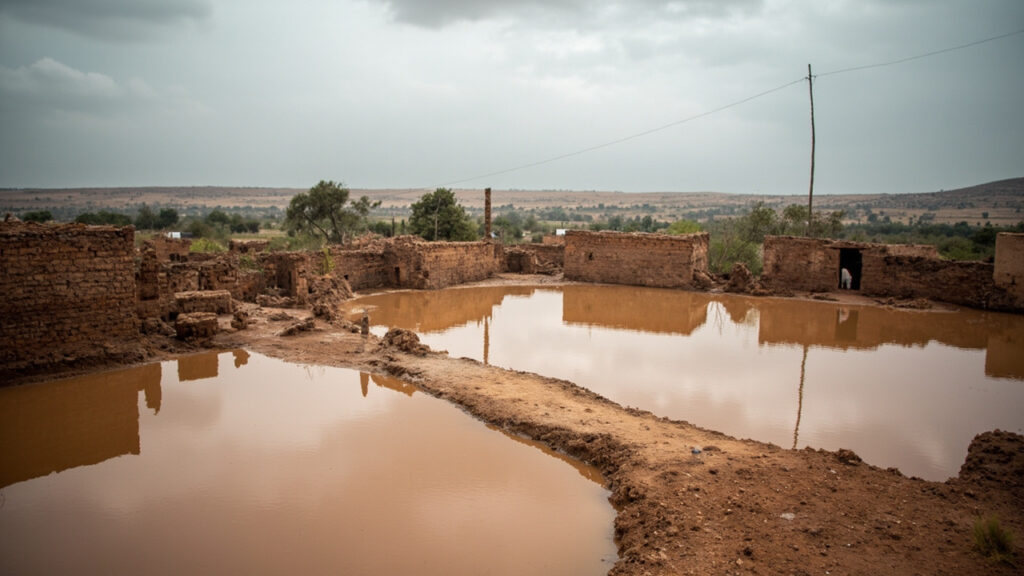
The flare-up comes after the Tasis, or Founding, Coalition — an alliance aligned with the RSF — announced that its forces had seized the strategic town of Geissan, which sits near the border with Ethiopia. The town has long been viewed as a gateway between Sudan’s borderlands and the wider Horn of Africa, and control of it has consequences for both military logistics and the movement of civilians seeking refuge. The flooding, which has inundated parts of the state, has further complicated the plight of those trying to escape the violence.
A war with no clear end
The violence in Blue Nile is part of the broader civil war that erupted in Sudan in April 2023, when long-simmering tensions between the army, led by General Abdel Fattah al-Burhan, and the RSF, commanded by Mohamed Hamdan Dagalo, commonly known as Hemedti, broke into open combat. The conflict has since torn the country apart, gutted the capital Khartoum, and destabilised regions including Darfur, Kordofan, and the eastern states. Repeated international mediation efforts have failed to produce a sustained ceasefire.
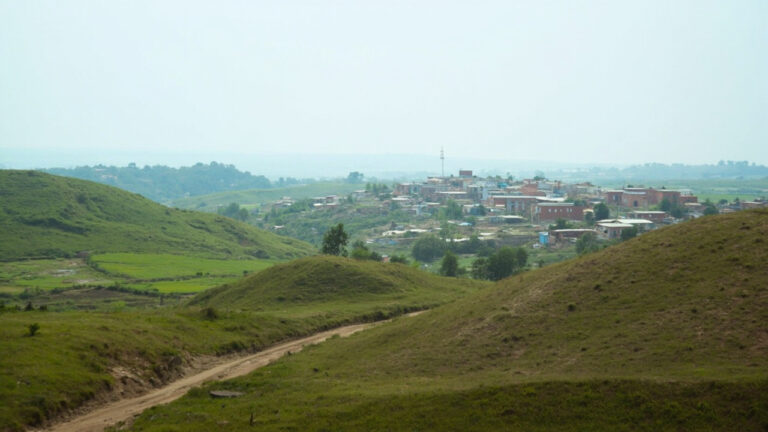
Blue Nile State, which borders Ethiopia and South Sudan, has been a recurring theatre of fighting in the long-running civil war. Its eastern localities, including Geissan, are home to a mix of ethnic groups and have historically been characterised by both political marginalisation and underdevelopment. The region’s remoteness, combined with limited humanitarian access, has made it difficult for aid organisations to verify conditions on the ground or to deliver assistance to displaced populations.
Civilians and condemnations
The Darfur Network for Human Rights, which monitors abuses across the country, has condemned what it describes as attacks on civilians in the area. The group’s statement, referenced in the AllAfrica headline, adds to a growing chorus of concern from Sudanese civil society about the conduct of the war in peripheral regions outside the international media’s normal focus.
Sudan now hosts one of the world’s largest displacement crises, with millions of people forced from their homes, both internally and across borders into neighbouring Chad, South Sudan, Egypt, and Ethiopia. The arrival of new waves of displaced people from Blue Nile is likely to place further strain on already overstretched border communities and humanitarian operations in those countries. Aid agencies have repeatedly warned that funding shortfalls and access restrictions tied to the fighting are limiting their ability to respond.
As the war grinds on with no negotiated settlement in sight, the displacement from Geissan underscores how the conflict continues to push civilians deeper into precarious conditions, far from the political centres where the struggle for power is decided.
Sources
This report was written from coverage published by the following news organisations. Follow the links for the original reporting.