
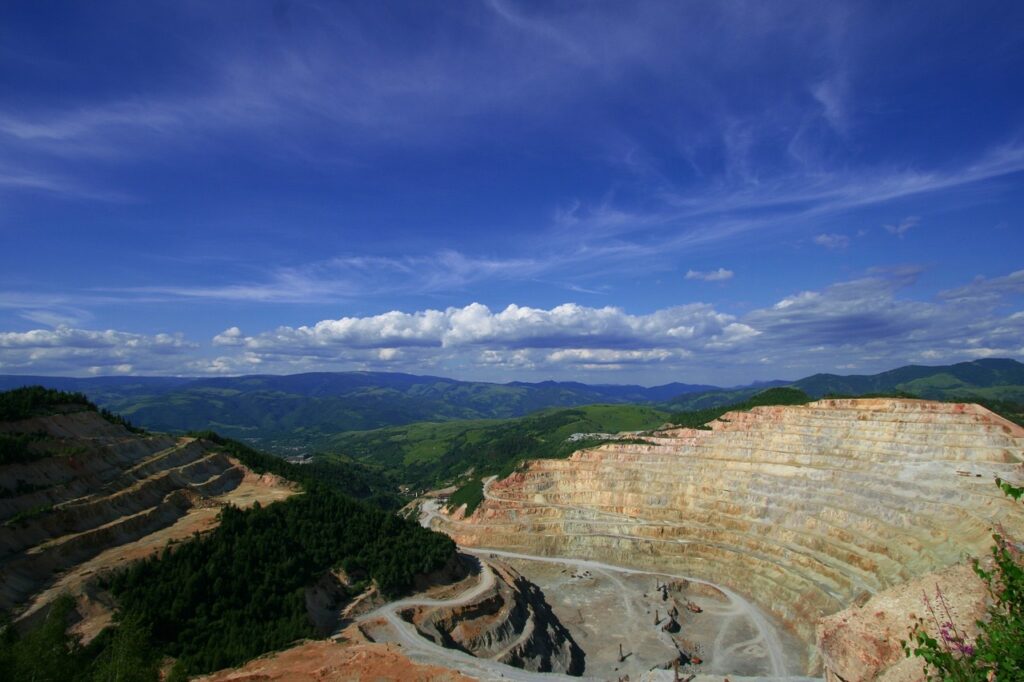
A wave of unexplained livestock deaths in Sudan’s gold-producing regions has been linked by local authorities and environmental groups to toxic chemical contamination from artisanal gold mining operations, raising alarms about the health and economic fallout for rural communities that depend on animal husbandry.
Reports from Sudan’s Darfur and Blue Nile regions describe hundreds of cattle, sheep and goats perishing in recent weeks after drinking water or grazing on land near gold mining sites. Environmental scientists say the likely culprit is cyanide and mercury, chemicals widely used in artisanal gold extraction but highly toxic to animals and humans alike.
Artisanal gold mining has expanded rapidly across Sudan in recent years, driven by the country’s economic collapse and the devaluation of the Sudanese pound. Tens of thousands of people have turned to hand-dug pits and chemical leaching to extract gold, often with minimal environmental safeguards or regulatory oversight.
A Toxic Legacy in Gold Country
Gold mining in Sudan is not new, but the scale of recent activity represents a dramatic escalation. In the absence of functioning government institutions in many conflict-affected areas, artisanal mining has proliferated with little control over environmental practices. Chemical reagents including sodium cyanide and elemental mercury are applied directly to ore to separate gold particles, with waste slurry often discharged into watercourses.
Communities living downstream from these operations have reported contaminated wells, dying vegetation and now mass animal deaths. Local health officials warn that the contamination could also affect humans who consume the meat or milk of affected animals or who drink from contaminated water sources.
We have never seen anything like this before, said a farmer from South Darfur whose entire herd of goats was found dead near a mining pit. The water looks clean but the animals collapse after drinking it. We are afraid to use it ourselves.
Health Risks Spread Beyond Livestock
The contamination raises a broader public health concern. Mercury and cyanide can accumulate in animal tissue, meaning contaminated meat or dairy products could enter local food chains. Long-term mercury exposure in humans is associated with neurological damage, kidney dysfunction and developmental disorders in children.
Sudan’s fractured healthcare system is ill-equipped to respond to a major poisoning event. Years of conflict have disrupted medical supply chains and displaced health workers from affected regions. Laboratories capable of conducting environmental toxin analysis are rare outside the capital Khartoum.
International humanitarian organisations operating in Sudan have so far issued limited guidance on the contamination, though some agencies are conducting assessments in affected areas. The scale of artisanal mining activity and the diffuse nature of contamination make targeted response difficult.
Economic Lifeline Turns Into a Curse
For many rural Sudanese, gold mining has become an economic lifeline as the broader economy has collapsed under the weight of conflict and hyperinflation. But the environmental and health costs are now becoming impossible to ignore, with communities bearing the burden of contamination that threatens their livestock, their water and ultimately their health.
Sustainable alternatives for artisanal miners and support for communities losing their livestock base are urgently needed, according to development organisations working in the region. Without intervention, the environmental damage from gold mining threatens to create a long-term health and humanitarian crisis on top of Sudan’s existing conflict emergency.