
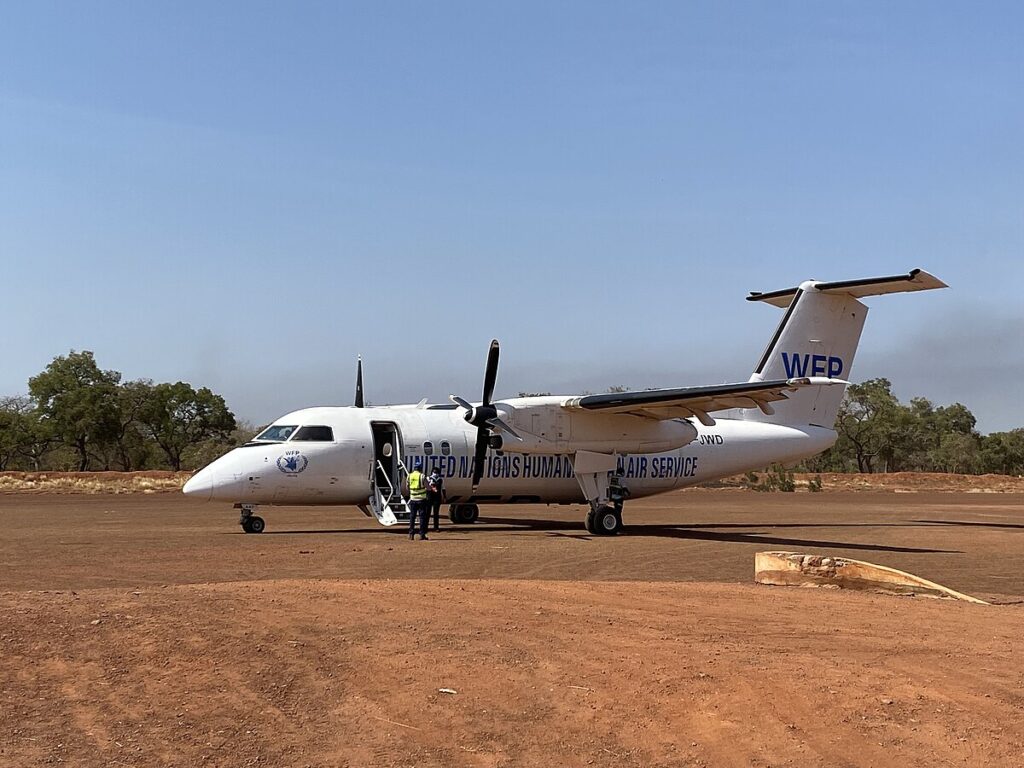
South Sudan was plunged into mourning on Tuesday following a commercial aircraft crash near the capital Juba that killed all aboard. The aircraft, operating a domestic flight, went down shortly after takeoff from Juba International Airport, sending a plume of smoke visible across the city. Rescue teams were immediately deployed to the crash site, located in a sparsely populated area to the north of the airport.
Authorities have confirmed that there were no survivors among the passengers and crew aboard the aircraft. The manifest included nationals from several countries, prompting diplomatic missions in Juba to activate emergency response protocols. South Sudan’s President Salva Kiir Mayardit convened an emergency cabinet session and declared three days of national mourning. Flags will fly at half-mast across all public buildings.
The cause of the crash remains unknown. The country’s aviation authority has launched a formal inquiry, with international regulators offering technical assistance. Early speculation centred on adverse weather conditions, as the region has experienced unseasonably heavy rainfall in recent days. However, officials cautioned that a comprehensive investigation must be completed before any conclusions can be drawn about the cause of the disaster.
South Sudan has a mixed safety record in aviation, with several previous incidents prompting calls for upgrades to air traffic control and fleet maintenance systems. The country’s aviation infrastructure has improved incrementally since independence in 2011, but critics say that regulatory oversight remains insufficient. The crash is likely to intensify scrutiny of safety standards at Juba International Airport and other regional airstrips.
Families of the victims have begun arriving at the airport seeking information. The government has established a dedicated helpline and family assistance centre. International NGOs operating in South Sudan expressed solidarity with the affected communities, and several offered emergency support to the relief operation. The United Nations mission in South Sudan said it was coordinating closely with the government on the rescue and recovery effort.
The crash serves as a grim reminder of the fragility of transport links in a country where road networks are severely limited and air travel is often the only viable option for long-distance movement. South Sudan’s geographic isolation and years of conflict have left its aviation sector underdeveloped and heavily dependent on external support. Rebuilding public confidence in air travel safety will be a key challenge for the government in the weeks ahead.