South African maize farmers pass two-thirds mark in 2025-26 harvest

South African maize farmers have harvested more than two-thirds of the 2025-26 season crop, according to agricultural economist Wandile Sihlobo, who publishes regular analysis of the country’s farm sector through his Substack newsletter.
The pace of the harvest reflects the typical calendar for South Africa’s maize belt. Planting usually runs from October through December, with combines moving into the fields from May onward as the crop dries in the late-summer sun. The bulk of the harvest is concentrated in the Free State, North West and Mpumalanga provinces, where most of the country’s white and yellow maize is grown.
A staple crop for the region
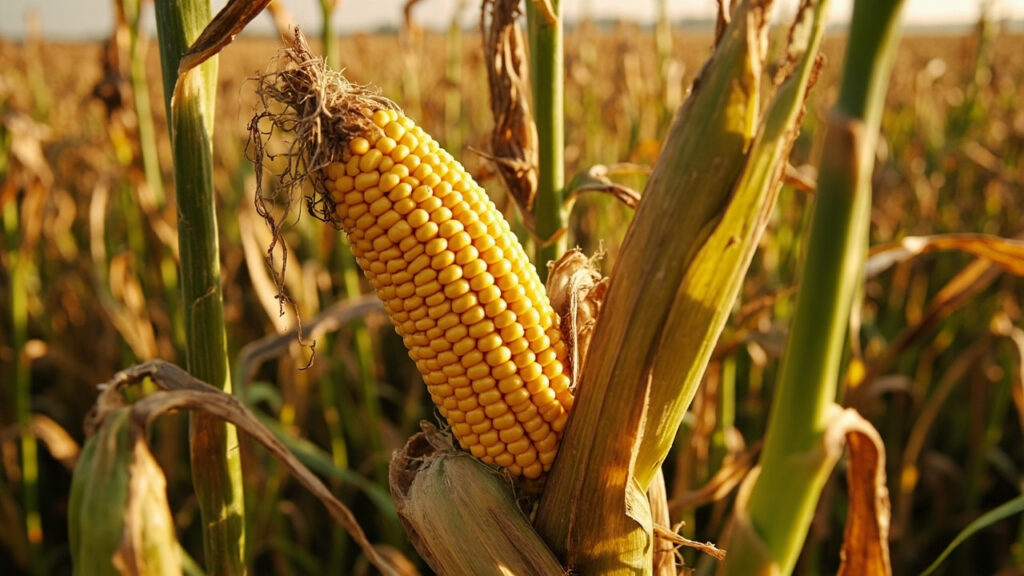
Maize is South Africa’s most important field crop and a dietary staple, milled into the maize meal that anchors many household meals across the country. South Africa is normally self-sufficient in maize and, in years of surplus production, exports to neighbouring states in the Southern African Development Community, including Zimbabwe, Botswana and Mozambique, when regional demand outstrips local supply.
Tracking the harvest
South Africa’s maize harvest is monitored by the Crop Estimates Committee, an industry body that issues regular production forecasts throughout the growing season. Analysts such as Sihlobo, chief economist at the Agricultural Business Chamber of South Africa, draw on those figures alongside weather data and producer surveys to track harvest progress and assess the outlook for grain supplies and food prices.
The 2025-26 season is being watched across the region as a barometer of grain availability in southern Africa, where maize output in neighbouring countries has been less reliable in recent seasons. A strong South African harvest typically underpins regional food security and helps contain prices for maize meal, a politically sensitive consumer staple across the subcontinent.
Sources
This report was written from coverage published by the following news organisations. Follow the links for the original reporting.