

Senegal’s President Dismisses PM Sonko, Triggering a Political Crisis at the Worst Possible Time
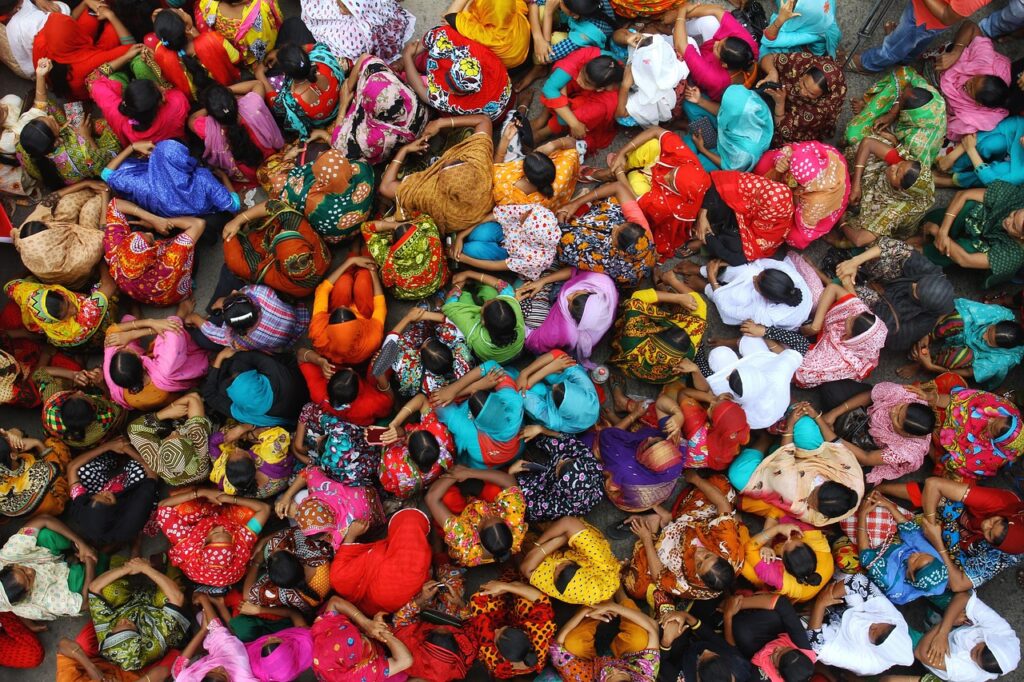
The Streets of Dakar Erupted
When the news broke that President Bassirou Diomaye Faye had dismissed Prime Minister Ousmane Sonko, the streets of Dakar filled with a mixture of jubilation and uncertainty. It was the kind of political earthquake West Africa had not seen in years — a president removing his own prime minister after months of open rivalry that had paralysed governance and shaken investor confidence in equal measure.
The official statement from the Presidency offered little beyond confirmation: Sonko was out, effective immediately. No reasons were given publicly, though sources close to the matter described a relationship that had become untenable — two ambitious politicians who had once been allies in opposition now unable to share the same cabinet table.
The consequences were swift. Within hours, several ministers nominated by Sonko’s camp resigned in protest. The national assembly, where Sonko’s Pastef party still holds significant seats, called for an emergency session. And on the foreign exchange markets, the CFA franc wobbled as traders digested the implications of a government in transition during one of the most economically fragile periods the region has faced in years.
A Relationship Built on Resistance
To understand why this dismissal matters so much, one must go back to the 2024 election that brought Faye to power. He and Sonko were close allies then — two men who had survived jail time together under the former government, two faces of a restless generation of Senegalese who wanted nothing less than a complete break from the old establishment. Faye was the presidential candidate. Sonko was the kingmaker whose political machine delivered the victory.
But power has a way of rewriting relationships. What worked in opposition — a division of labour where Faye provided the calm face and Sonko provided the fire — did not translate smoothly into governing. Sonko’s style is combative, confrontational, built for the barricades. Governance requires compromise, patience, and the ability to absorb defeats. Sonko, allies say, never truly adjusted to that register.
Faye, for his part, began to resent what he saw as Sonko’s interference in cabinet decisions and his willingness to mobilise street protests against policies his own government was pursuing. The breaking point, according to people familiar with the matter, came when Sonko publicly challenged the President’s handling of negotiations with the International Monetary Fund — an issue where Faye believed unity, not spectacle, was required.
The Economic Backdrop Makes Everything Worse
Senegal is not in a position to absorb political instability. The country is grappling with a fiscal crisis that forced the previous administration to seek IMF support, and Faye’s team inherited a programme that requires painful austerity measures. Inflation has been running at over 8 percent. The cost of basic goods has pushed families who were already struggling into genuine hardship.
In that environment, the dismissal of Sonko carries an extra layer of risk. Markets had been watching the Faye-Sonko relationship with growing anxiety for months. A smooth and stable government, however imperfect, was seen as the minimum necessary to keep the IMF programme on track. The sudden removal of the prime minister raises questions about whether the governing coalition can hold together — and whether the reforms that have been agreed upon can survive the internal turbulence.
The new prime minister, whose name was announced shortly after Sonko’s dismissal, is a former finance ministry official known for technical competence and a lower political profile. That choice suggests Faye is trying to project calm and seriousness at a moment when perceptions matter enormously. Whether it will work is another question.
What Happens Next
Sonko has not disappeared. His party still holds seats in parliament, commands significant support in the streets, and controls a network of grassroots organisations that were instrumental in bringing Faye to power. The question now is whether Sonko accepts the dismissal as a political defeat and retreats to rebuild, or whether he mobilises his base against the president he helped elect.
That question will define Senegal’s next several months. The country has earned a reputation for democratic resilience in a region where military coups and constitutional manipulation have become distressingly common. Senegal’s stability has always depended on the willingness of political actors to accept institutional limits, even when they are frustrated. Whether Sonko continues to respect those limits — or whether the dismissal pushes him to abandon them — is the test now facing the nation.
In the meantime, the economic pressure has not diminished. Families in Dakar and across the country are still waiting for the relief that was promised when Faye took office. The government they trusted to deliver it is now, itself, in crisis.