

Season 2 of China-backed ‘Sing for Africa’ talent show launched in Kenya
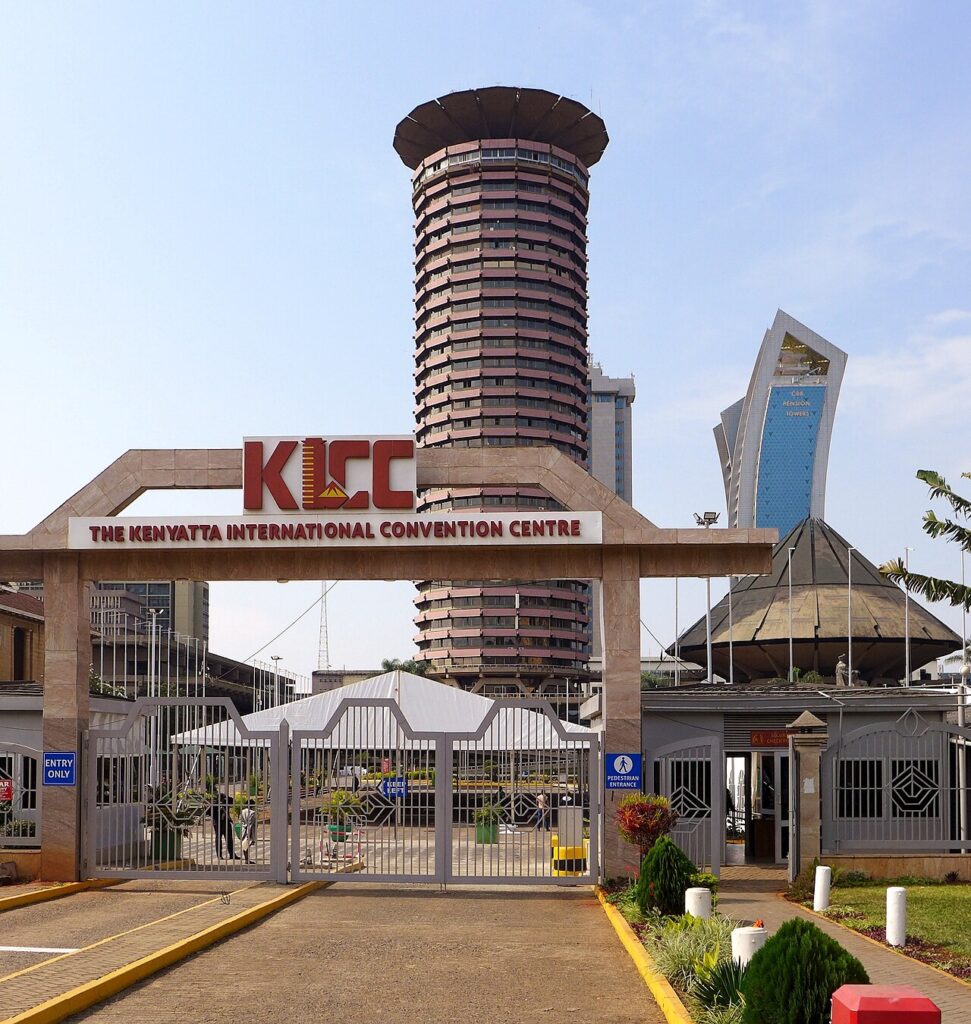
Season 2 of “Sing for Africa,” a singing talent competition backed by Chinese partners, has been launched in Kenya, according to Xinhua, China’s state news agency.
The competition is one of several cultural-diplomacy initiatives linking Chinese institutions with African audiences through music, media and entertainment formats. Over the past decade, Chinese state-linked media organisations, cultural centres and sponsors have expanded their presence across the continent, supporting language programmes, journalism exchanges, art exhibitions and televised competitions aimed at younger viewers.
Kenya has regularly hosted such events. Nairobi’s role as a regional media hub, its established music industry and its sizeable Chinese diaspora community have made it a frequent venue for pan-African cultural projects. Chinese-built infrastructure in the country, including roads and railways financed through bilateral cooperation, has also been accompanied by community-oriented cultural activities staged alongside major engineering ventures.
The “Sing for Africa” format brings together vocalists from across the continent, with auditions and performances structured around a televised competition judged by a panel. The show reflects a wider trend of cross-border entertainment formats circulating in African markets, where regional talent competitions have grown in popularity alongside the rise of streaming platforms, mobile video and a new generation of pan-African broadcasters.
Analysts tracking Sino-African cultural exchange note that such programmes sit within a broader diplomatic and commercial relationship. Supporters describe them as vehicles for people-to-people ties and the promotion of African artistic talent abroad, while observers have pointed to the role of state-linked media in shaping how that exchange is presented to both Chinese and African audiences.
Sources
This report was written from coverage published by the following news organisations. Follow the links for the original reporting.
More From Society & Culture
Nigeria: 101-year-old great-grandmother arrested over cannabis sales

From cardboard to cosplay: inside Nairobi’s growing anime convention scene
