Rome Zoo Turns to Frozen Treats and Cool Pools as Heatwave Sweeps Italy
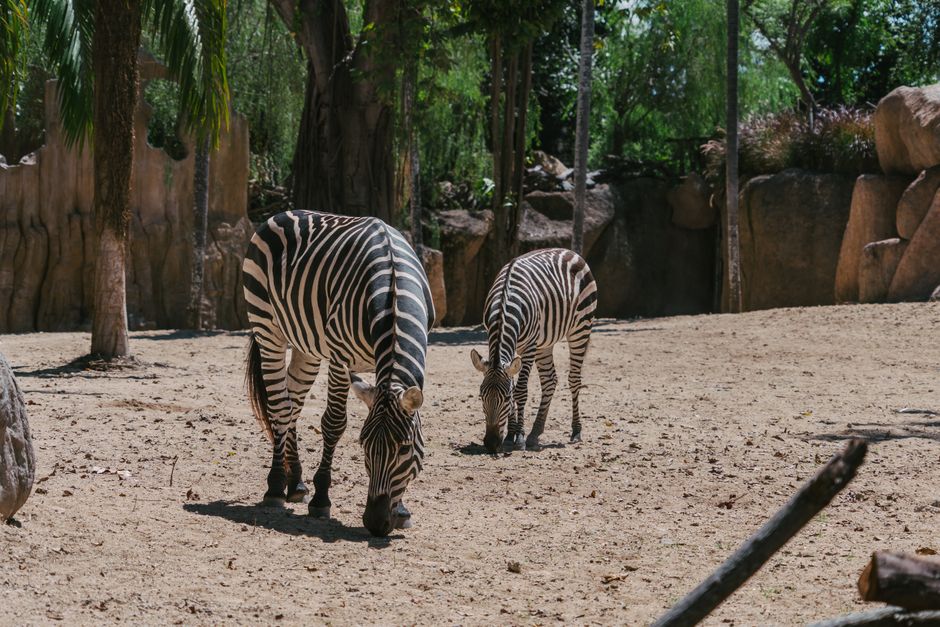
Rome’s Bioparco zoo has rolled out a series of cooling measures for its residents as a severe heatwave continues to grip Italy, leaving the capital under a red alert for extreme temperatures. Keepers are preparing frozen fruit and meat “popsicles,” refreshing chilled swimming pools and offering shaded, climate-controlled indoor spaces so that species ranging from big cats to primates and birds can manage the soaring heat.
A coordinated response across the zoo
Heat management at Bioparco is a year-round priority, but staff say the current conditions have required extra creativity. Large blocks of ice laced with fruit, vegetables and, for carnivores, pieces of meat, are distributed throughout enclosures. These frozen treats serve a dual purpose: they lower animals’ core temperatures and provide sensory enrichment during hours when outdoor activity is limited.
Pools, shade and indoor shelters
Many of the zoo’s outdoor habitats are equipped with pools that are refreshed several times a day with cooler water, while misting systems and shaded canopies have been added in enclosures exposed to direct sunlight. For species most vulnerable to heat stress, including great apes, big cats and certain reptiles, keepers can move animals into temperature-controlled indoor areas where they can rest away from the peak afternoon sun.
Italy under red alert
The wider Italian heatwave has prompted health authorities to issue the highest-level red warnings across much of central and southern Italy, including Rome. Public services have extended operating hours, opened additional cooling centres for vulnerable residents and urged citizens to avoid strenuous outdoor activity during the hottest hours of the day. The current episode is the latest in a series of increasingly intense summer heat events that meteorologists have linked to broader shifts in the region’s climate.
Climate concerns for captive wildlife
Zoologists warn that prolonged heatwaves pose particular risks for animals kept in captivity, where opportunities to seek natural shelter or migrate are limited. Institutions such as Bioparco are increasingly investing in infrastructure, from deeper pools to advanced air-conditioning, to protect their collections as extreme weather becomes more frequent. The measures being deployed in Rome, staff say, reflect both immediate animal welfare needs and a longer-term adaptation strategy for a warming Mediterranean.
As long as the heatwave persists, Bioparco visitors can expect to see some of the cooling techniques in action, with frozen snacks and shaded enclosures becoming a daily part of life for the zoo’s inhabitants.
Source: Africanews — read the original report.