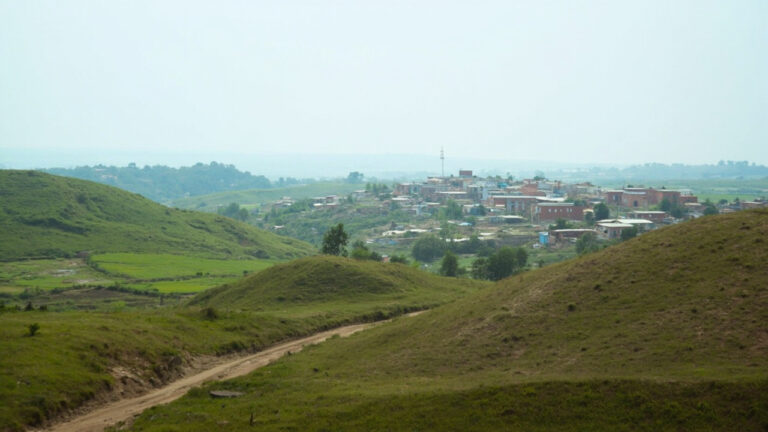
Residents Begin Returning to Sudan’s Kurmuk as Authorities Clear War Remnants

Residents have begun returning in small numbers to parts of Kurmuk, a strategic town in Sudan’s Blue Nile State that sits along the border with Ethiopia, after the Sudanese Armed Forces (SAF) recaptured the locality from paramilitary forces, according to AllAfrica, which cited reporting from Addis Standard. Kurmuk’s governor said authorities are clearing unexploded ordnance and assessing widespread destruction, and that broader returns would depend on those operations being completed.
Strategic border town

Kurmuk sits on the Sudanese side of the frontier with Ethiopia, in Blue Nile State, a region that has been drawn into the broader civil war that erupted in Sudan in April 2023 between the SAF, led by General Abdel Fattah al-Burhan, and the paramilitary Rapid Support Forces (RSF), commanded by Mohamed Hamdan Dagalo. The town’s location near the border and along routes linking Sudan’s east to its central regions has made it a strategic objective for both sides throughout the conflict.
Sudanese authorities have periodically claimed control of border crossings and towns in Blue Nile and the neighbouring states of Sennar and Gedaref as part of counter-offensives launched after the RSF seized much of Greater Darfur and extended its reach eastward. Border regions have seen repeated waves of displacement, with civilians crossing into Ethiopia, South Sudan, and other neighbouring countries.
Clearing ordnance and damage
The governor’s remarks, as reported by Addis Standard and republished via AllAfrica, focused on the practical obstacles standing in the way of resettlement. Unexploded ordnance left by the fighting poses a continuing danger to returning civilians, and assessments of housing, infrastructure, and basic services are still under way. Without those clearances, authorities fear that premature returns could expose residents to injury or leave them without water, electricity, or healthcare.
Sudan’s civil war has produced one of the world’s largest displacement crises, with millions forced from their homes inside the country and across its borders, according to United Nations agencies monitoring the situation. Sudan and international humanitarian organisations have repeatedly warned of acute food insecurity and restricted aid access across multiple frontlines since the war began. Blue Nile State, home to a mix of ethnic groups and to communities that have experienced multiple cycles of conflict stretching back decades, has been among the regions affected by both internal displacement and refugee inflows from elsewhere in Sudan.
Outlook
For now, returns appear limited to residents who were already in the surrounding area or who have been able to travel back from nearby displacement sites. The longer-term trajectory of the town, and of Blue Nile more broadly, will depend on whether the SAF can hold the territory it has retaken, and on the slow work of demining and reconstruction that any return of this kind demands.
Sources
This report was written from coverage published by the following news organisations. Follow the links for the original reporting.