
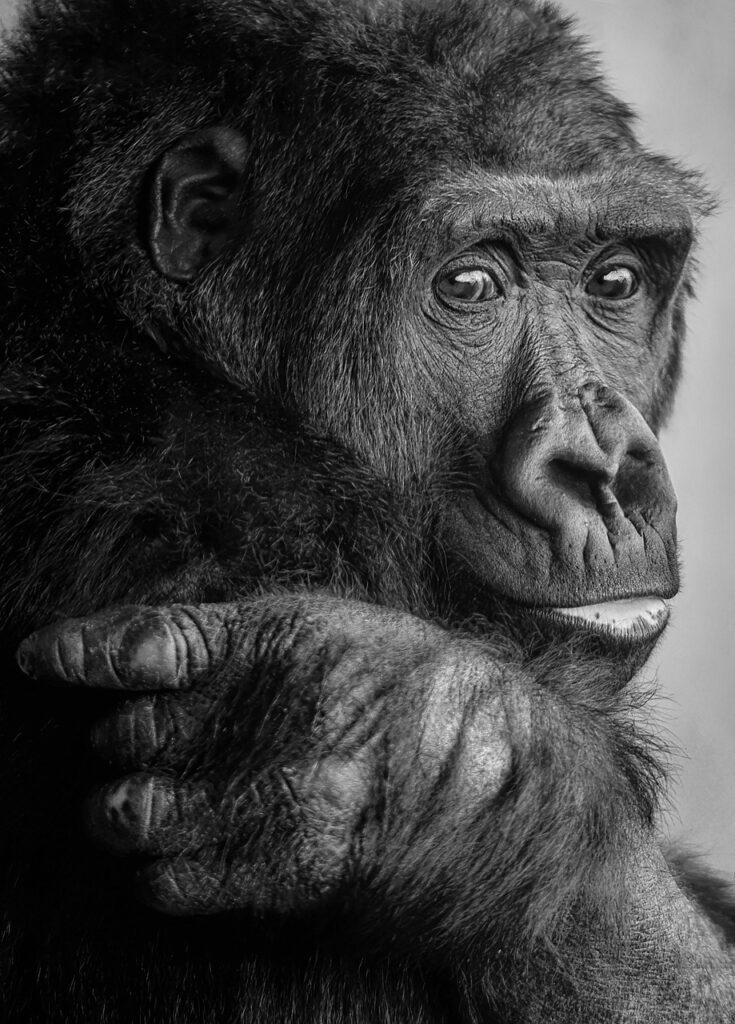
An endangered mountain gorilla has given birth to twins in Virunga National Park, eastern Democratic Republic of Congo, park authorities confirmed this week, in what conservationists are calling an extraordinary boost for one of Africa’s most threatened species.
The twins were born to a female gorilla in the park’s Mikeno sector, according to the Congolese wildlife authority (ICCN). Initial field reports indicate both infants are healthy and being closely monitored by rangers and veterinary teams from the Virunga National Park.
“This is remarkable news for mountain gorilla conservation,” said a senior conservation official involved in the operation. “Twins are exceptionally rare in mountain gorilla populations, occurring in only a handful of documented cases over the past two decades. Each twin birth represents an enormous opportunity to boost population numbers of a species that still numbers fewer than 1,100 individuals in the wild.”
A Species Climbing Back from the Edge
Mountain gorillas were listed as endangered for decades, but their population has slowly increased in recent years thanks to intensive conservation efforts, anti-poaching patrols and community engagement programmes. The twins born this week are the second recorded set in Virunga within 24 months.
Conservationists say the births underscore the importance of continued investment in protected area management and the involvement of local communities in wildlife stewardship. Virunga, Africa’s oldest national park, has faced enormous challenges including armed conflict, illegal resource extraction and political instability that have repeatedly threatened its wildlife.
Yet the park has maintained a dedicated team of rangers and conservation workers who have continued patrols and monitoring even during the most difficult periods. Rangers involved in the gorilla monitoring programme say they observed the mother gorilla displaying normal nurturing behaviour within hours of the birth.
Protecting a Fragile Population
The mountain gorilla is one of only two subspecies of eastern gorilla. Unlike their lowland cousins, they have thicker fur and live at higher altitudes. Their diet consists primarily of vegetation, including thistles, nettles and bamboo shoots. They live in family groups led by a dominant silverback male whose primary responsibility is to protect the group from external threats.
The species faces ongoing pressure from human encroachment. As local populations grow, forest land is converted to agriculture, shrinking the gorilla’s habitat. Disease transmission from humans, including respiratory viruses, also poses a persistent risk given the genetic closeness between gorillas and humans.
Conservation groups working in the region are calling for enhanced cross-border cooperation between DR Congo, Rwanda and Uganda to ensure the long-term survival of the mountain gorilla. A regional conservation strategy for the Virunga population has been under development for several years, with coordinated anti-poaching efforts and habitat monitoring.
With the new twins joining a population that has shown modest growth in recent years, conservationists are cautiously optimistic. Each successful birth and each gorilla that reaches adulthood represents a step forward for a species that has endured decades of decline.