Questions mount over Morocco’s border policy as Ceuta records fresh migrant surge
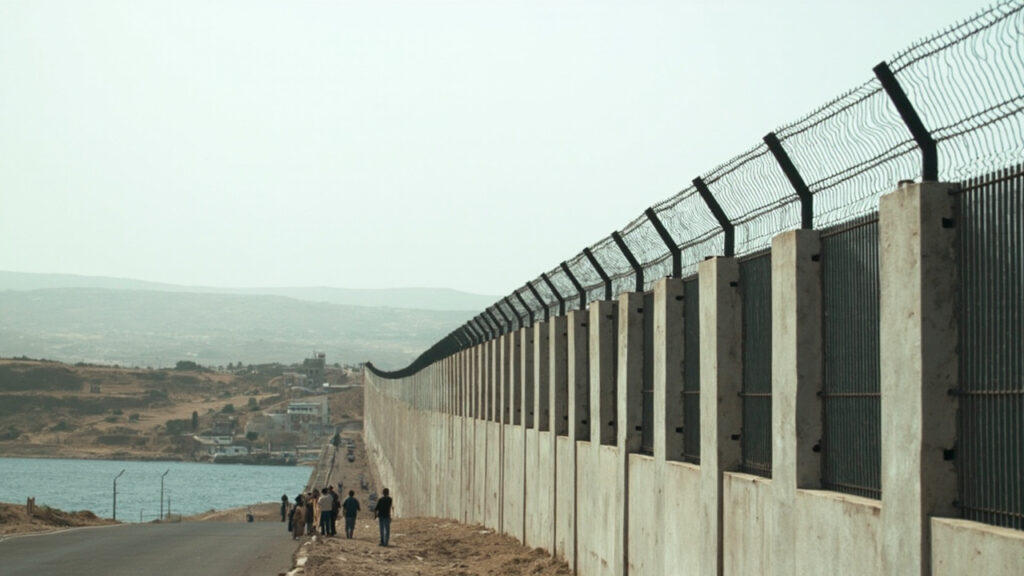
Ceuta, the Spanish autonomous city perched on the northern tip of Africa, has recorded a sharp increase in migrant arrivals in recent days, according to Africanews, reigniting debate over Rabat’s management of the border it shares with the European enclave.
The territory, which has been under Spanish administration since the colonial era, sits across a narrow land and maritime frontier from Morocco. Throughout the post-colonial period, and particularly since the early 2000s, Ceuta — along with its sister enclave Melilla further east — has functioned as one of the most closely watched entry points into the European Union for migrants from sub-Saharan Africa and beyond.
A longstanding pressure point
Migration patterns at Ceuta are deeply shaped by the political relationship between Madrid and Rabat. Spanish and Moroccan authorities have long cooperated on border surveillance, with Moroccan forces playing a significant role in intercepting or redirecting people attempting to cross. Periodic surges in arrivals have historically coincided with diplomatic friction between the two governments, including disputes linked to the long-running question of the Western Sahara.
Analysts and officials have repeatedly noted that Morocco’s posture at the border tends to shift in step with the broader state of bilateral ties. When relations are cooperative, Moroccan patrols are typically visible and active; when tensions rise — over trade, fisheries, or migration policy — questions tend to surface about whether enforcement has been deliberately relaxed.
Diplomatic backdrop
Ceuta and Melilla are not the only points where Spanish and Moroccan interests intersect. The two countries share a maritime boundary, conduct joint counter-terrorism operations, and are linked by extensive trade and labour flows. Migration has nonetheless remained the most politically visible fault line, with the two enclaves functioning as a barometer for the wider relationship.
As the latest arrivals continue, the question of whether the current surge reflects a deliberate change in Moroccan border policy, or simply the effect of seasonal and humanitarian pressures, remains at the centre of the debate.
Sources
This report was written from coverage published by the following news organisations. Follow the links for the original reporting.