Our Ocean Conference Concludes in Mombasa Amid Familiar Questions Over Pledge Delivery

The 11th Our Ocean Conference drew to a close in the Kenyan coastal city of Mombasa on Friday, capping three days of discussions with a new round of pledges and partnerships aimed at protecting the world’s seas. While delegates welcomed the commitments as evidence of sustained global engagement, the recurring question hovering over the closing ceremony was whether the announcements would translate into measurable action or fade into a familiar cycle of unmet promises.
Recurring Theme of Pledges and Accountability
The conference, hosted by Kenya in partnership with the Republic of Korea, brought together governments, international organizations, civil society groups and private sector representatives. Delegates outlined commitments spanning marine protected areas, sustainable fisheries, blue economy initiatives and ocean-based climate solutions. Discussions also addressed ocean financing and the role of innovation in tackling threats ranging from plastic pollution to overfishing.
Observers noted that the structure of the Our Ocean Conference has historically centered on voluntary commitments, with each edition producing a portfolio of pledges tracked through public reporting mechanisms. The format is designed to encourage transparency, but critics have repeatedly pointed out gaps between announced targets and on-the-ground implementation.
Focus on Finance and Innovation
Financing emerged as a central theme throughout the proceedings in Mombasa. Participants examined ways to mobilize public and private capital for ocean-related projects, including blended finance instruments and debt-for-nature swaps. Innovation featured prominently as well, with conversations around emerging technologies for monitoring marine ecosystems, tracking illegal fishing and reducing plastic waste entering the oceans.
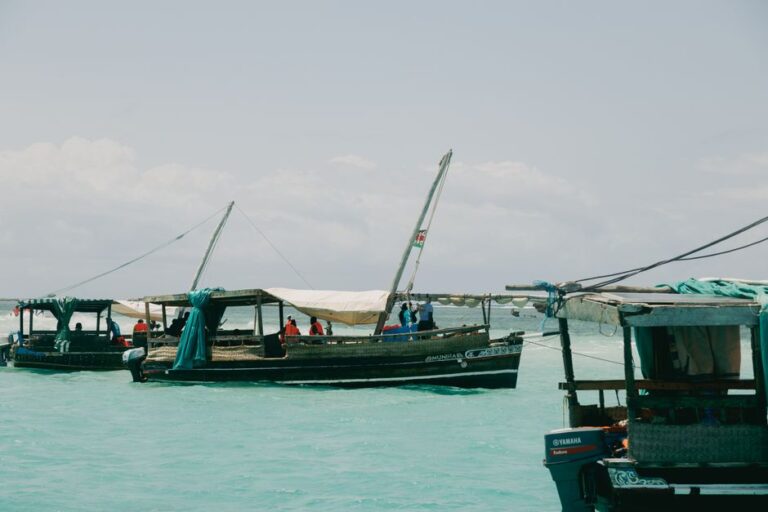
Kenya, as the host nation, used the platform to spotlight the importance of the Indian Ocean to the livelihoods of coastal communities in East Africa and to position itself as a regional hub for blue economy development. Indian Ocean island states and coastal nations stressed the urgency of action in the face of warming seas, rising sea levels and declining fish stocks.
A Familiar Skepticism
Despite the energy surrounding the closing announcements, skepticism remains a recurring undercurrent at these gatherings. Environmental advocates and policy analysts have long argued that international ocean conferences produce lengthy lists of commitments that are difficult to verify and even harder to enforce. The Our Ocean Conference format has attempted to address this by encouraging signatories to report publicly on progress, yet the absence of binding mechanisms means follow-through largely depends on political will.
As delegates departed Mombasa, attention is expected to shift toward the next phase of implementation, with stakeholders watching to see whether the latest round of pledges will be matched by tangible outcomes in the years ahead.
Source: AllAfrica — read the original report.