

Nigeria’s tortuous journey to clean, decarbonised mobility
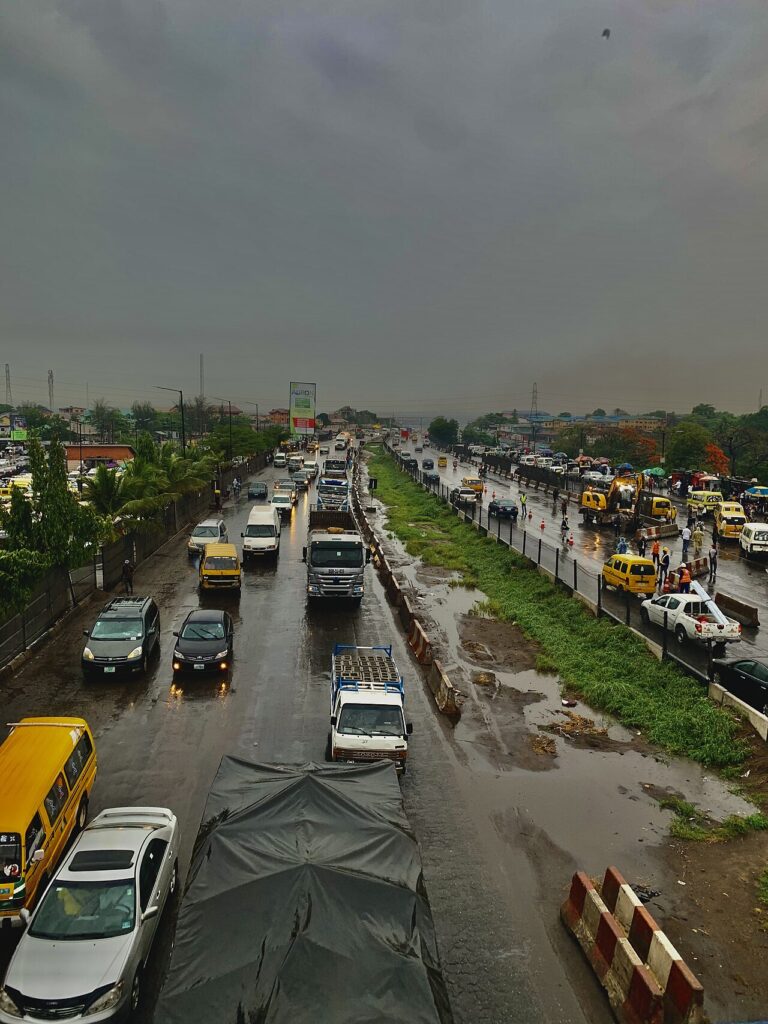
Nigeria, sub-Saharan Africa’s largest economy and most populous nation with more than 220 million people, is grappling with what observers describe as a slow and contested transition to cleaner, lower-carbon transport, according to The Guardian Nigeria News.
The country’s mobility sector remains heavily dependent on petrol and diesel, much of it powering an ageing fleet of imported second-hand cars and the yellow minibus taxis that dominate cities such as Lagos, the region’s most populous urban area. The 2023 removal of long-standing fuel subsidies sharply increased pump prices, raising the cost of running conventional vehicles while also prompting renewed discussion of alternatives.
On paper, Nigeria has signalled its commitment to decarbonisation. It is a signatory to the Paris Agreement, has submitted successive Nationally Determined Contributions and joined the Global Memorandum of Understanding on Zero-Emission Vehicles, which targets zero-emission new car and van sales by 2035. Federal authorities have also drafted an electric vehicle policy framework, while several state governments have unveiled pilot schemes for electric buses and charging infrastructure.
Real-world progress, however, has lagged behind the pledges. Chronic electricity shortages, the high upfront cost of electric vehicles, the absence of a national charging network and limited access to vehicle financing have together slowed uptake. Industry analysts note that any meaningful shift towards cleaner mobility will require parallel investment in the power grid, local assembly or import arrangements, and consumer incentives.
Until those structural gaps are addressed, the country faces a difficult balancing act between meeting its climate commitments and meeting the everyday transport needs of a fast-urbanising population still heavily reliant on the internal combustion engine.
Sources
This report was written from coverage published by the following news organisations. Follow the links for the original reporting.
- The Guardian Nigeria News — Nigeria’s tortuous journey to clean, decarbonised mobility


