Nigeria’s Costly Refinery Obsession: Revival or Sale?
Nigeria, Africa’s largest oil producer, paradoxically imports the bulk of the refined petroleum products its economy consumes, a long-standing contradiction that has shaped national policy debates for decades. The country’s state-owned refineries — long underperforming despite repeated rehabilitation efforts — have consumed enormous public resources without delivering the fuel output they were designed to provide, according to an analysis published by This Day and circulated via AllAfrica.
A pattern of rehabilitation
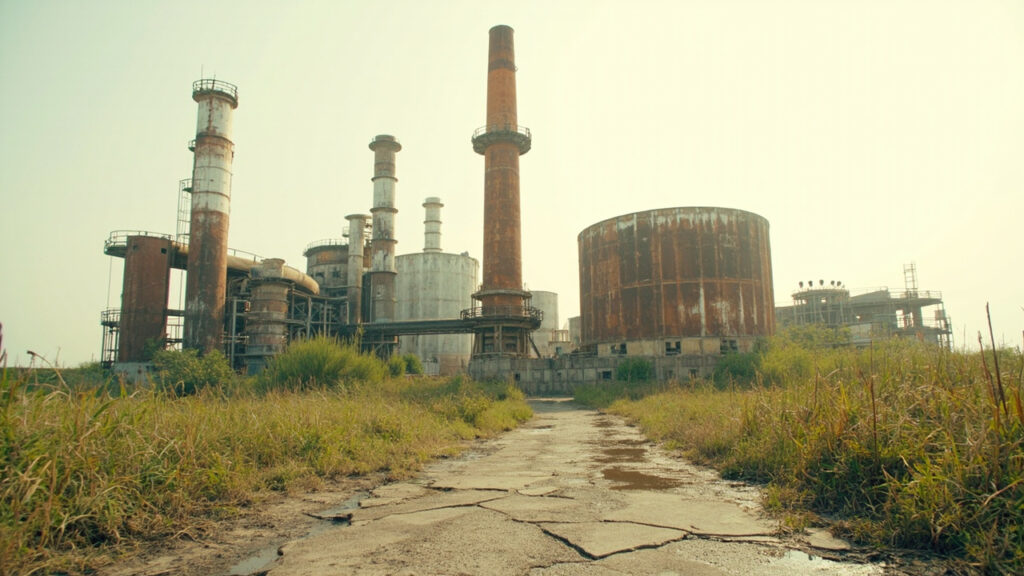
Across multiple administrations, governments have returned to the idea of reviving the moribund state refineries rather than pursuing outright privatisation. Each cycle has been accompanied by fresh political commitments and substantial budget allocations, yet domestic refining capacity has remained a fraction of national demand. The pattern has drawn repeated criticism from economists and industry observers, who argue that the focus on restoration has crowded out consideration of alternatives — including selling the assets to private operators better positioned to run them at full capacity.
The Tinubu pledge and the privatisation question
President Bola Ahmed Tinubu’s renewed pledge to revive the state-owned facilities has reopened that familiar debate. Critics note that, in the background, one of the world’s largest single-train private refineries — the Dangote refinery near Lagos — has come online and begun reshaping regional fuel supply dynamics. Against that backdrop, the case for continued state involvement in refining looks harder to defend, as AllAfrica reported. Festus Akanbi’s commentary frames the dilemma squarely: why pour more money into facilities that have repeatedly failed to perform, when private capital is already stepping in?
Privatisation, of course, carries its own political and labour sensitivities in a country where fuel subsidies and energy pricing have shaped public life for generations. Yet as fuel imports continue to drain foreign exchange and the state-owned complexes remain dormant, the cost of doing nothing — or doing what has not worked before — is itself mounting.
Sources
This report was written from coverage published by the following news organisations. Follow the links for the original reporting.
- AllAfrica — West Africa: Nigeria's Costly Refinery Obsession