Nigeria’s army expansion: more troops, same structural challenge
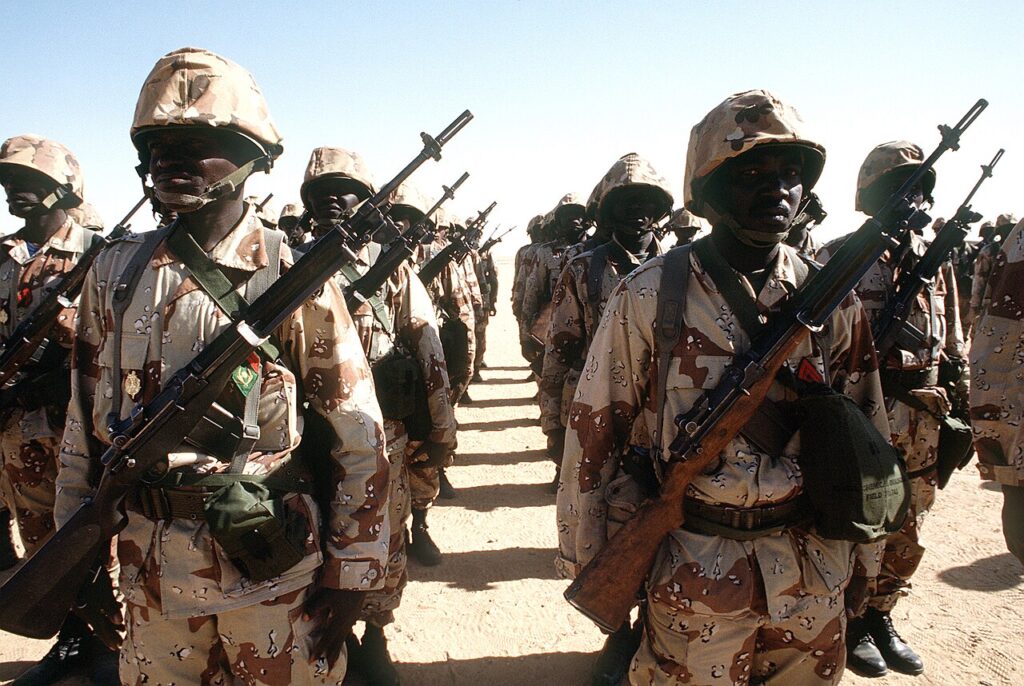
Nigeria’s decade-long security crisis has stretched across multiple fronts, from insurgencies in the northeast to banditry in the northwest and separatist tensions in the southeast. President Bola Tinubu’s approval to expand the Nigerian Army from eight to twelve divisions and recruit 28,000 additional personnel represents the latest attempt to match military capacity to the scale of these overlapping threats, as The Africa Report notes.
For more than a decade, Nigeria’s armed forces have faced security challenges that no single front can define. The Boko Haram insurgency and its offshoot Islamic State West Africa Province (ISWAP) have destabilised the northeast since 2009, despite repeated military operations and the eventual loss of the group’s self-declared caliphate. In the northwest, armed bandit networks have carried out mass kidnappings and village raids across states long affected by such violence, while the southeast has seen periodic unrest linked to separatist movements seeking an independent state.
Previous administrations pursued similar reorganisations of the military, with mixed results. The current structure of eight army divisions has remained in place for years, and observers have long questioned whether sheer troop numbers translate into operational effectiveness, given persistent challenges around logistics, limited intelligence capabilities, and the difficulty of distinguishing combatants from civilians in densely populated rural areas.
According to The Africa Report, the decision to add four new divisions and tens of thousands of recruits appears, at first glance, to be a logical response to a sprawling crisis. Yet the same structural questions persist: whether expanded formations can be properly equipped, trained, and deployed across widely separated theatres of operation, and whether a force designed around conventional division structures can adapt to the asymmetric tactics of insurgent and criminal groups.
The expansion signals political will, but Nigeria’s experience suggests that defeating insurgencies and armed criminal networks requires more than additional battalions. Without parallel investment in intelligence, governance reform, and regional coordination, a larger army risks repeating the limitations of its predecessors.
Sources
This report was written from coverage published by the following news organisations. Follow the links for the original reporting.
- The Africa Report — Nigeria’s bigger army will not be enough to win its security crisis