Nigerian football: a giant losing its stride
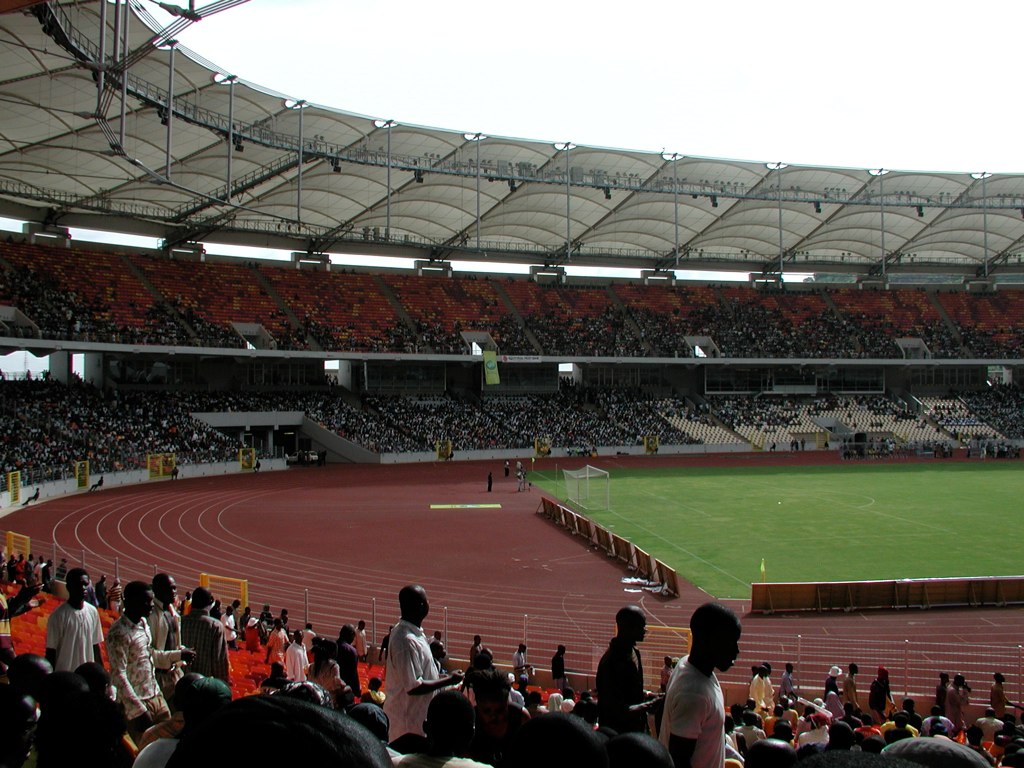
Nigerian football, long regarded as one of Africa’s most storied traditions, finds itself confronting a stretch of underachievement that has prompted renewed debate among supporters, administrators and former players about the direction of the game in the country.
According to TheCable, the country’s standing in continental and global competition has slipped noticeably in recent years, prompting questions about why a nation with such a deep reservoir of talent keeps falling short of its capabilities.
Nigeria’s footballing pedigree is substantial. The Super Eagles are three-time African champions, having lifted the Africa Cup of Nations in 1980, 1994 and 2013. The country has appeared at six FIFA World Cups since 1994, memorably reaching the round of 16 in 1994, 1998 and 2014. Legends such as Rashidi Yekini, Jay-Jay Okocha, Nwankwo Kanu and Finidi George have graced top leagues across Europe, while a steady stream of Nigerian players continues to feature in elite competitions abroad.
Yet the recent picture is more sobering. Nigeria failed to qualify for the 2022 FIFA World Cup in Qatar, missing out after a disappointing qualifying campaign. Performances at subsequent AFCON tournaments have also drawn criticism, with the team often exiting earlier than expected or producing inconsistent displays against opponents who would, in past decades, have been considered lesser rivals.
Observers point to a familiar cluster of problems: chronic underfunding of grassroots development, persistent governance disputes within the Nigerian Football Federation, and uneven conditions in the domestic Nigerian Professional Football League. Critics also note that while individual Nigerian talents still emerge and thrive in European clubs, the national team’s tactical organisation and preparation have often lagged behind rivals such as Morocco and Senegal, who have invested heavily in coaching structures, sports science and youth academies.
For a country that has historically punched well above its weight on the football stage, the current drift feels unfamiliar, and supporters will be watching closely to see whether reforms on or off the pitch can restore the Super Eagles to their former stature.
Sources
This report was written from coverage published by the following news organisations. Follow the links for the original reporting.
- TheCable — Nigerian football: A giant losing its stride