

Nigeria sets sights on malaria elimination as prevalence declines

Nigeria, long identified by global health bodies as one of the countries most affected by malaria, is moving to position itself for eventual elimination of the disease as nationwide prevalence continues to decline, according to The Guardian Nigeria News.
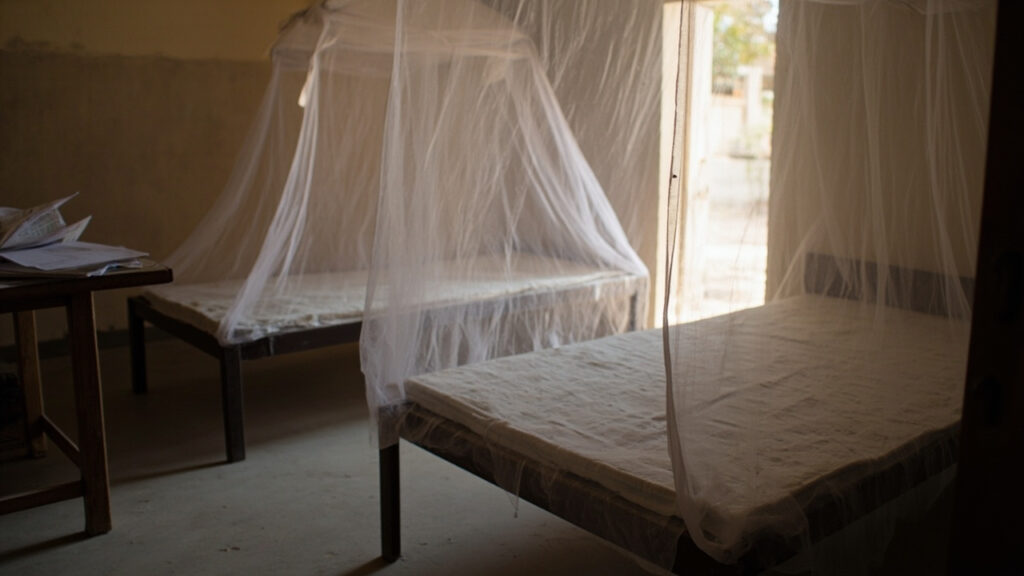
The push comes against the backdrop of years of investment in prevention, treatment, and surveillance across Africa’s most populous country. Malaria has long placed a heavy burden on Nigerian households and on the country’s health system, and the drive to eliminate it has been a recurring feature of federal and state-level health policy.
The Guardian Nigeria News reported that the renewed elimination focus is tied to falling prevalence rates. While the publication did not specify the magnitude of the decline, the trend is consistent with progress documented across much of sub-Saharan Africa in recent years, where expanded access to insecticide-treated nets, indoor residual spraying, rapid diagnostic tests, and artemisinin-based combination therapies has helped reduce the disease’s footprint.
Public health experts have long cautioned that elimination efforts require sustained funding, strong primary healthcare delivery, and continued community engagement, particularly in rural areas where transmission remains highest. Nigeria’s federal and state ministries of health, working alongside international partners, have historically led the response through mass net distribution campaigns and seasonal malaria chemoprevention programmes in northern states.
A move toward elimination would represent a significant shift from the country’s current standing among the highest-burden malaria nations globally. Sustained political commitment, monitoring, and financing will determine whether the downward trajectory continues toward the eventual goal of a malaria-free Nigeria.
Sources
This report was written from coverage published by the following news organisations. Follow the links for the original reporting.
- The Guardian Nigeria News — Nigeria targets malaria elimination as prevalence falls
More From Society & Culture

Nigeria: 101-year-old great-grandmother arrested over cannabis sales

From cardboard to cosplay: inside Nairobi’s growing anime convention scene
