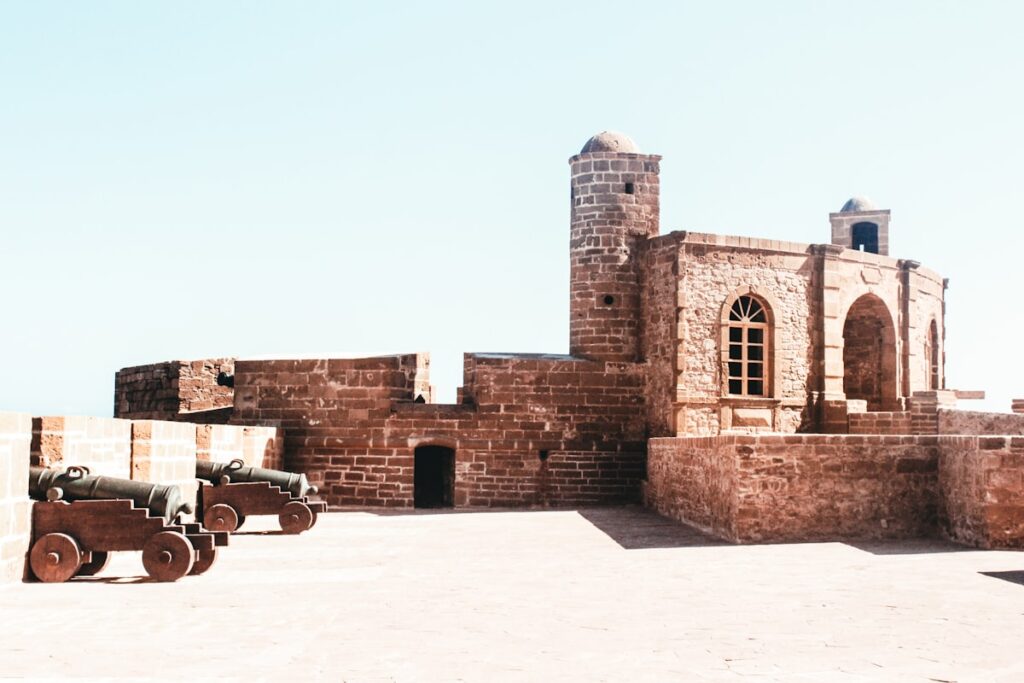
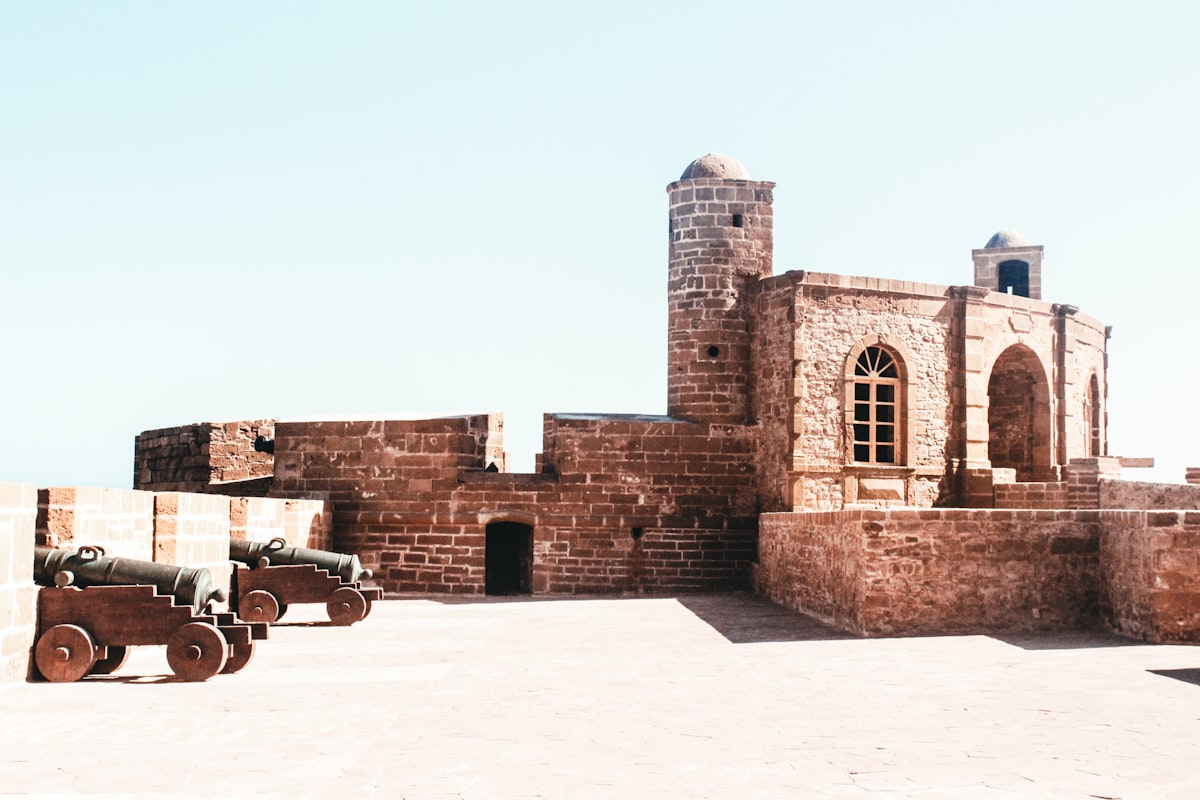
Moroccan military exercises (representative image)
Rabat, Morocco — Morocco has launched what military officials describe as the largest joint military exercises ever conducted in North Africa, bringing together forces from six countries in a two-week-long training operation thatunderscores the kingdom’s growing role as a regional security provider amid an era of intensifying geopolitical competition. The exercises, named “Falcon Shield 2026,” are centered on Morocco’s southern desert regions near Errachidia and Al Mahbes, and include participation from the Moroccan Royal Armed Forces, the United States, France, Spain, the United Arab Emirates, and Mauritania. The US Africa Command (AFRICOM) confirmed the deployment of a contingent of Army personnel and air assets to support the exercises. Moroccan military spokesperson Colonel Youssef En-Nkhili told state media that the exercises were “purely defensive in nature” and designed to improve interoperability between partner nations in addressing shared threats including terrorism, irregular migration, and trafficking networks. But analysts say the timing and scale of the exercises reflect deeper strategic calculations across the region. “Falcon Shield is not just about training,” said Dr. Karima Rhalib, a security studies researcher at the University of Rabat. “It is a signal — to neighboring states, to rival powers, and to domestic audiences — that Morocco is building the architecture of a regional security hub.” The exercises come against a backdrop of increased activity by armed groups in the Sahel, where Morocco has been expanding its diplomatic footprint through economic investment and security cooperation. The kingdom has grown particularly close to Mauritania and has offered its port infrastructure as an alternative to Sahelian states’ reliance on Atlantic routes through countries with uncertain political trajectories. For their part, US and European military planners view Morocco as one of Africa’s most reliable security partners — a country with professional institutions, strategic geography, and the will to act. The kingdom’s participation in US Central Command’s area of responsibility alongside its European partnerships gives it a unique position at the intersection of multiple security frameworks. The exercises include live-fire drills, counterterrorism scenarios, and urban warfare training. Observers from several African Union member states have been invited to attend as observers, in what a Moroccan defense ministry statement described as an effort to “share lessons learned and build a culture of regional security cooperation.” The deployment of US forces to Morocco for these exercises is the largest since 2022’s African Lion exercises, which Morocco also hosted. That those exercises were held in the same timeframe as a period of heightened tension between Morocco and Algeria over the Western Sahara question has not gone unnoticed by regional watchers, even as official statements continue to emphasize the exercises’ routine character.
The joint exercises are scheduled to conclude on May 21.