Mauritania’s Migrant Crackdown Slows Sea Crossings, but Underlying Pressures Persist
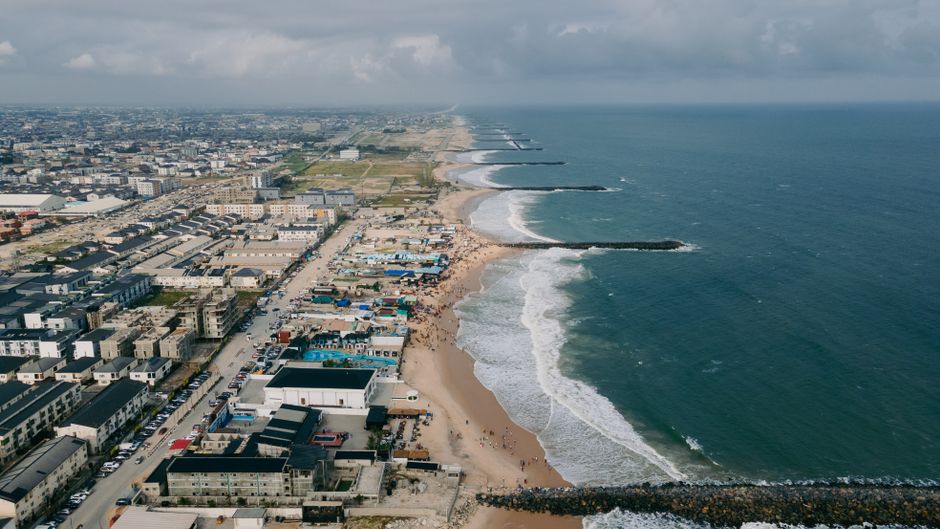
Along the Atlantic coastline of Mauritania, the rhythm of departure appears to be shifting. Stricter enforcement by national authorities, combined with broader European policy efforts to curb irregular migration, has contributed to a decline in boat departures from the country’s shores. Yet in the port city of Nouadhibou, a long-standing staging point for migrants hoping to reach the Canary Islands, the motivations that push people toward Europe show few signs of fading.
Tightened borders and shifting routes
Mauritanian officials have moved in recent years to reinforce security along coastal departure points, increase surveillance, and cooperate more closely with European counterparts on migration management. These measures have been credited with reducing the number of successful Atlantic crossings, a route that has historically been among the deadliest in the world. The trend aligns with wider European efforts to externalize border control, including support for partner countries along the West African coastline.
Nouadhibou’s enduring pull
Despite the heightened enforcement, Nouadhibou continues to attract migrants from across the Sahel and beyond. Economic hardship, limited employment prospects, and the cumulative effects of regional instability draw people to the city, where networks, smugglers, and shared information about the route to Europe remain active. For many, the decision to migrate is shaped less by optimism than by the absence of viable alternatives at home.
The human calculus
The Atlantic passage to the Canary Islands has long been framed as a last resort, undertaken by people who have exhausted other options. The risks are well documented: overcrowded vessels, treacherous waters, and the loss of lives that often go unrecorded. Even as departure numbers fall, the human calculus that underpins the journey remains intact. Families continue to send members north, and informal economies tied to migration persist in coastal communities.
A temporary reprieve
Analysts caution that reduced crossings should not be interpreted as a resolution to the underlying dynamics driving migration from Mauritania and the wider region. Without broader investment in economic opportunity, governance, and stability, the desire to reach Europe is likely to outlast any single policy intervention. For now, the slowing of departures offers a temporary reprieve, but the dreams that fuel the journey remain firmly in place.
Source: Africanews — read the original report.