Mali struck by new coordinated assaults as rebels target towns and prison
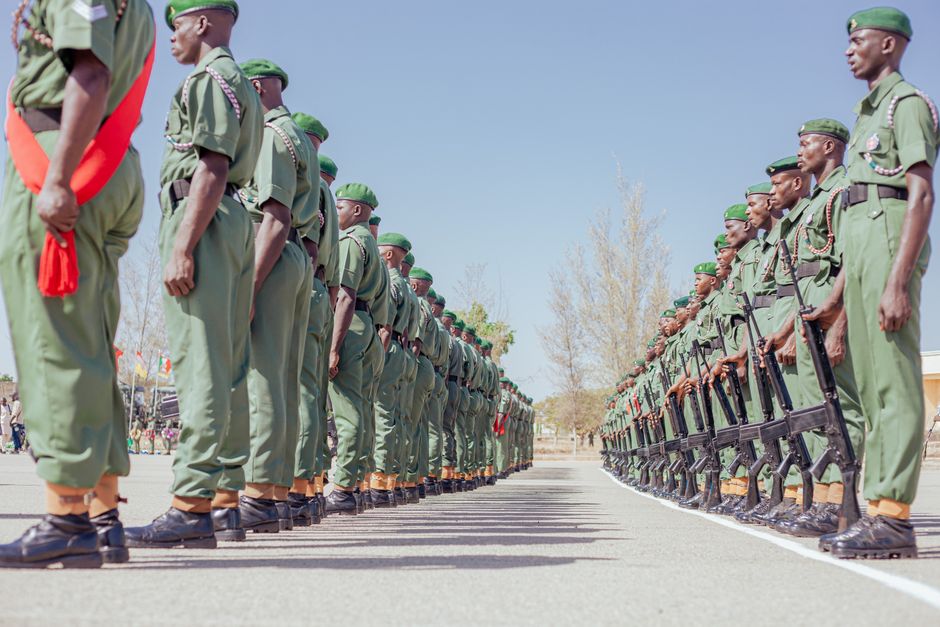
Mali has been hit by a new wave of coordinated rebel attacks, with jihadist groups and their separatist Tuareg allies striking multiple towns and a prison in a single day, according to reports from the region. The assaults come only months after a similar campaign rattled the country’s military government and exposed the fragility of security arrangements in large parts of the territory.
A familiar pattern of attacks
The wave of violence echoes tactics previously employed against Malian security forces, combining rapid strikes across several locations to stretch the response capacity of the army. Analysts point to a pattern in which armed groups coordinate operations to maximize disruption, moving quickly between targets before government reinforcements can regroup. The reported assault on a detention facility underlines the operational ambition of the attackers, who appear willing to take on hardened sites usually protected by concentrated military presence.
An alliance of convenience in the north
The renewed offensive highlights the continuing cooperation between jihadist formations and Tuareg separatist movements operating across northern Mali. Although their long-term political goals differ, the two streams of insurgency have repeatedly found common cause in challenging the central government and the military authorities who took power in a series of coups. The vast, sparsely governed spaces of the Sahara and Sahel have allowed these alliances to regroup, even as international counterterrorism missions have wound down their presence in the region.
A junta under pressure
Mali’s military leadership, which came to power promising to restore stability, now faces the same kind of coordinated pressure that previously forced it to seek outside assistance. Prior rounds of attacks reportedly depleted equipment and demoralized troops, while the departure of foreign partners has left a security vacuum in several regions. The latest operations suggest that armed groups retain the capacity to mount multi-site assaults despite years of military operations against them.
Regional implications
The fallout from Mali’s deteriorating security situation extends well beyond its borders, with neighboring countries in the Sahel and beyond monitoring the evolution of armed groups that operate across frontiers. Cross-border movements of fighters, weapons and refugees have repeatedly tested the resilience of countries such as Niger, Burkina Faso and Algeria. France 24’s Philip Turle, in analyzing the developments, framed the latest violence as part of a broader struggle over authority in the Sahel’s most troubled state.
For now, the Malian authorities face the difficult task of defending dispersed urban centers and infrastructure against adversaries capable of launching synchronized strikes, in a security landscape that continues to evolve beyond the reach of conventional counterinsurgency.
Source: FRANCE 24 — read the original report.