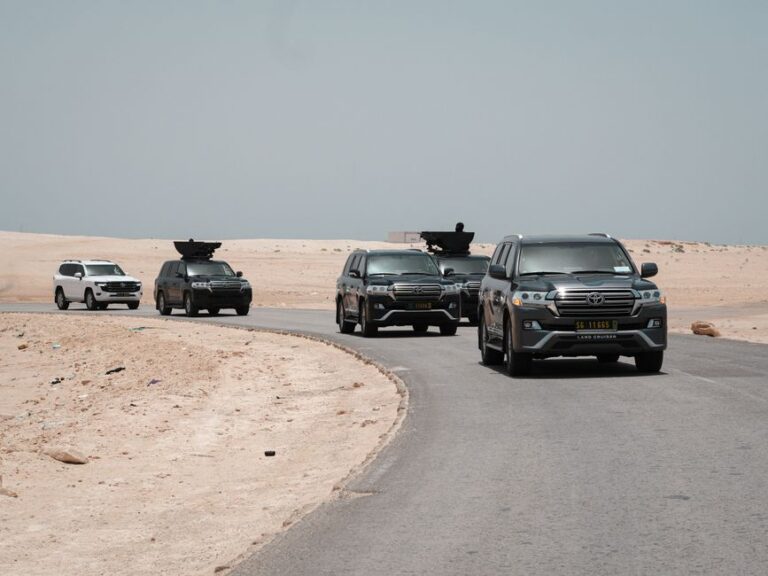
Mali on the Brink: Coordinated Attacks Strike Bamako as Rebels Seize Kidal
Mali is facing one of its most severe security crises in years after a wave of coordinated attacks targeted the capital Bamako and key cities across the country, while armed groups seized control of the strategic northern city of Kidal. The Flamboyant Liberation Army (FLA), a coalition of Tuareg rebels, claimed responsibility for the offensive that sent shockwaves through the West African nation.
The Malian army confirmed heavy fighting in Bamako and several other locations, including the ancient city of Timbuktu and the military hub of Sevare. According to military sources, jihadist fighters and Tuareg rebels coordinated their attacks across multiple fronts simultaneously, overwhelming security forces that have been battling insurgencies in the north for more than a decade.
“This is a dramatic setback for the junta-led government,” said Andrew Lebovich, a research fellow with the Clingendael Conflict Research Unit. “The attacks demonstrate how tenuous the security situation remains, with authorities and their Russian partners struggling to prevent strikes in and around the capital.”
The offensive comes less than a year after Mali’s military junta expelled French and United Nations peacekeepers, replacing them with Russia’s Africa Corps security contractors. Despite the presence of Russian-backed forces, armed groups managed to launch a sophisticated multi-city assault that exposed deep vulnerabilities in Mali’s defenses.
Kidal, a city that has changed hands multiple times since the 2012 Tuareg rebellion, fell to the FLA within hours of the assault’s commencement. Witnesses reported armed convoys entering the city center while government forces retreated to the airport perimeter. The loss of Kidal is particularly symbolic—it has long been a center of Tuareg political identity and autonomy demands.
Mali has been battling a triple threat: jihadist insurgencies linked to al-Qaida and the Islamic State, Tuareg separatist movements, and deepening economic hardship. The confluence of these crises has pushed the country into a state of perpetual instability that analysts say has no easy resolution.
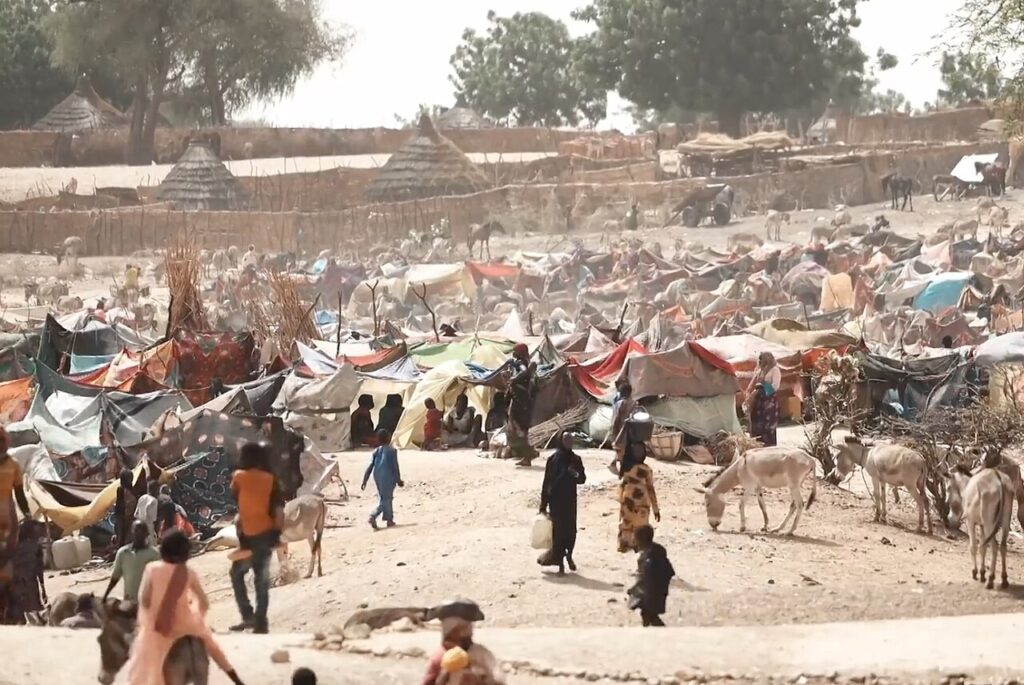
Humanitarian agencies are warning of catastrophic consequences should the fighting continue. Thousands of residents in affected cities have fled their homes, overwhelming makeshift shelters and straining already limited food supplies. The United Nations estimates that over 1.5 million Malians are already displaced due to prior rounds of violence.
Regional neighbours, including Niger and Burkina Faso—both also governed by military juntas with close ties to Moscow—are watching the situation with alarm. A successful rebel consolidation in northern Mali could embolden similar movements across the Sahel, a region already devastated by jihadist violence that has killed tens of thousands and displaced millions.
The Economic Community of West African States (ECOWAS) issued a statement calling for an immediate ceasefire and dialogue, though few expect negotiations to begin anytime soon. Mali’s ruling military council has shown little appetite for compromise with armed opposition groups, insisting instead on a military solution.
For ordinary Malians in Bamako, the attacks brought city life to a standstill. Streets emptied after sundown, markets closed early, and residents lined up at banks and fuel stations before supply lines could be disrupted further.
As fighting continues and Kidal remains outside government control, Mali faces an uncertain future—one that may further entrench military rule, deepen dependence on Russian security arrangements, and push more civilians into harm’s way.
More From Conflict & Security
South Africa probes death of Nigerian man who collapsed during arrest
Arrest of Nigerian soldier over alleged links to criminals deepens scrutiny of military conduct