M23 Rebels Withdraw from Key Positions in Eastern DRC Under US Diplomatic Pressure

In a significant development that has offered a fragile glimmer of hope to war-weary communities in eastern Democratic Republic of Congo, the Rwandan-backed AFC/M23 rebel group has withdrawn from several key positions in South Kivu province following intensive diplomatic pressure from the United States. The withdrawal marks a rare pause in a conflict that has displaced millions and destabilized an entire region.
The M23 rebellion—which takes its name from a March 23, 2009 peace agreement the Congolese government signed with rebels but later accused of violating—has been one of the most destructive forces in sub-Saharan Africa over the past decade. Backed by Rwanda according to numerous UN reports and regional governments, the group has seized territory, committed widespread atrocities, and challenged Kinshasa authority across the eastern DRC.
## US Pressure Yields Results—for Now
American diplomatic engagement appears to have been a decisive factor. US officials have been in direct contact with Rwandan authorities, signaling that continued support for the M23 rebellion could carry consequences for Rwanda international standing and its relationship with Washington. The message was apparently received: the rebels began pulling back from positions in South Kivu over the past weekend.
The timing is notable. US Treasury Office of Foreign Assets Control had been considering targeted sanctions against individuals and entities linked to the M23 network. While no formal sanctions have yet been announced, the mere discussion of such measures may have contributed to the atmosphere of pressure that preceded the withdrawal.
## What the Withdrawal Actually Means
Analysts urge caution about declaring a breakthrough. Withdrawals of this kind have happened before—M23 forces have periodically pulled back from certain areas only to regroup and advance again within weeks or months. The group command structure remains intact, its territory under partial control, and the underlying political grievances that gave rise to the rebellion have not been addressed.
The areas from which M23 has reportedly withdrawn include strategic towns and road corridors that serve as supply lines and revenue-generating checkpoints. Communities in these areas have reported a mixture of relief and skepticism, with many residents saying they will believe in lasting peace only when they see normal life resume without the constant threat of violence.
## The Wider Regional Context
The DRC conflict is deeply intertwined with broader regional geopolitics. Rwanda involvement—denied by Kigali but documented extensively by UN experts and academic researchers—has been driven partly by concerns about the presence of anti-Rwandan rebel groups on DRC soil, and partly by more complex economic and strategic interests in the resource-rich Kivu region.
Uganda has also been implicated in backing various armed groups in the DRC, though its involvement is often less overt than Rwanda. Minerals—particularly cobalt, coltan, and gold—underpins much of the economic calculus, feeding global supply chains for electronics, aerospace, and defense industries.
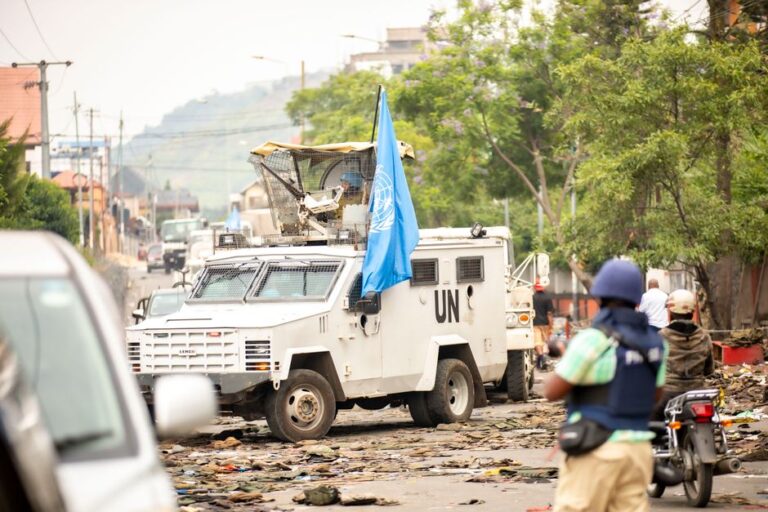
The African Union and the Southern African Development Community have repeatedly attempted mediation, but peace frameworks have repeatedly collapsed. The presence of the UN peacekeeping mission, MONUSCO—the largest and most expensive such mission in the world—has provided some protection for civilian populations but has failed to stem the tide of conflict.
## Human Impact Remains Devastating
Even as M23 pulls back militarily, the humanitarian situation in eastern DRC remains catastrophic. The UN estimates that more than 7 million people are internally displaced in the country—the highest number in Africa and among the highest in the world. Many have been forced to flee multiple times as frontlines shift.
Women and girls have borne a particularly brutal burden. Sexual violence has been systematically used as a weapon of war by multiple armed groups. Health facilities, schools, and markets have been attacked and destroyed. Children make up a large proportion of the displaced, their education and development interrupted by perpetual crisis.
Food security has deteriorated sharply. The conflict has disrupted farming, destroyed livelihoods, and created conditions reminiscent of famine. Aid organizations report that they are struggling to reach some of the worst-affected areas due to insecurity, bureaucratic obstacles, and insufficient funding.
## A Temporary Reprieve or a Path to Lasting Peace?
Whether the current withdrawal represents a genuine turning point or merely a tactical pause will depend on factors that extend well beyond the battlefield. Analysts point to the need for credible confidence-building measures, verified disengagement processes, and substantive political dialogue that addresses the underlying causes of the conflict.
For ordinary Congolese in South Kivu and North Kivu, the immediate priority is simpler: they want the violence to stop, they want to rebuild their lives, and they want the international community to treat their suffering as a priority rather than a peripheral concern in a world full of crises.
More From Conflict & Security
Renewed clashes in Ethiopia’s Tigray raise fears of fresh war in war-scarred region
Sudan’s El-Obeid under intensifying drone strikes as army and RSF clash over key city